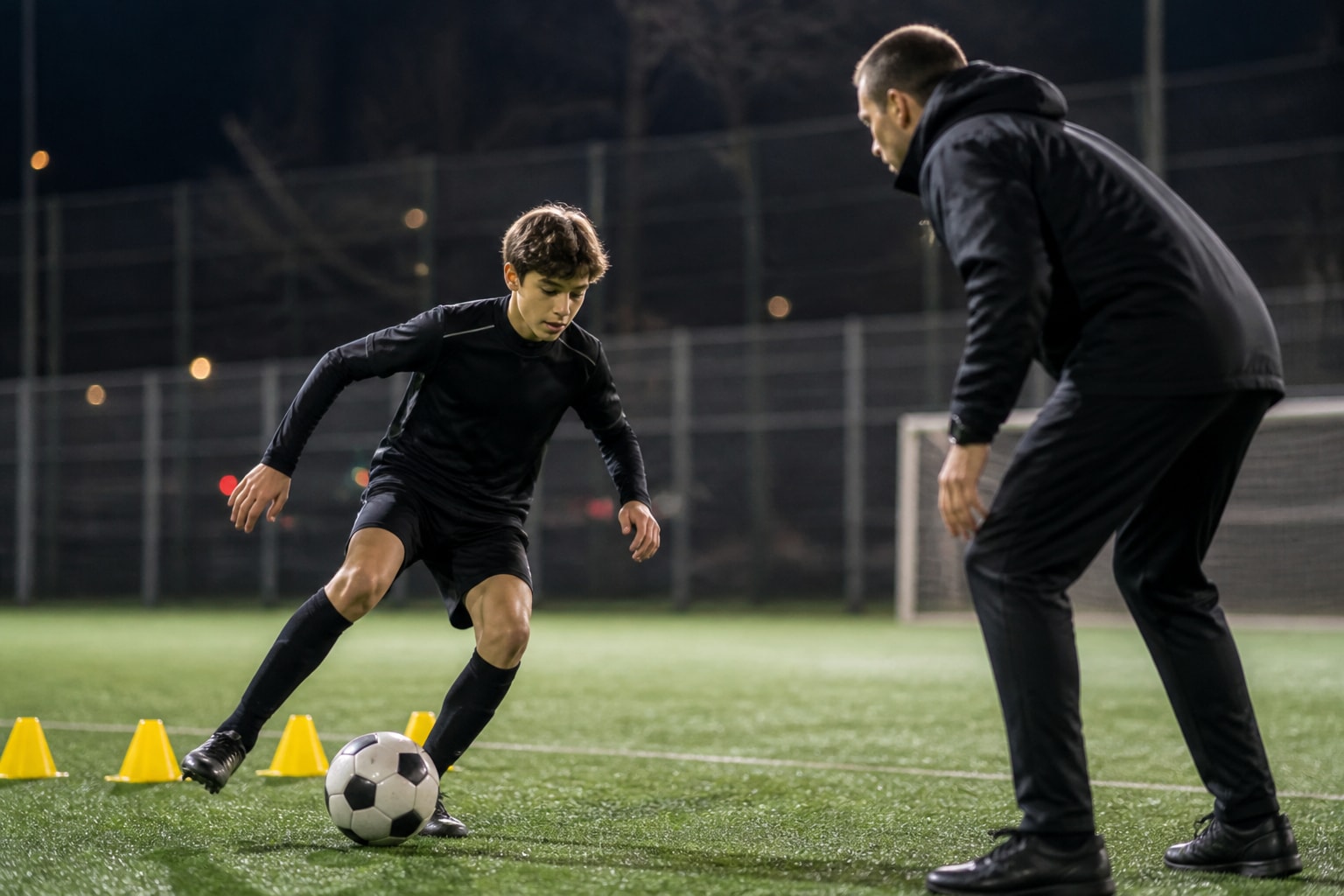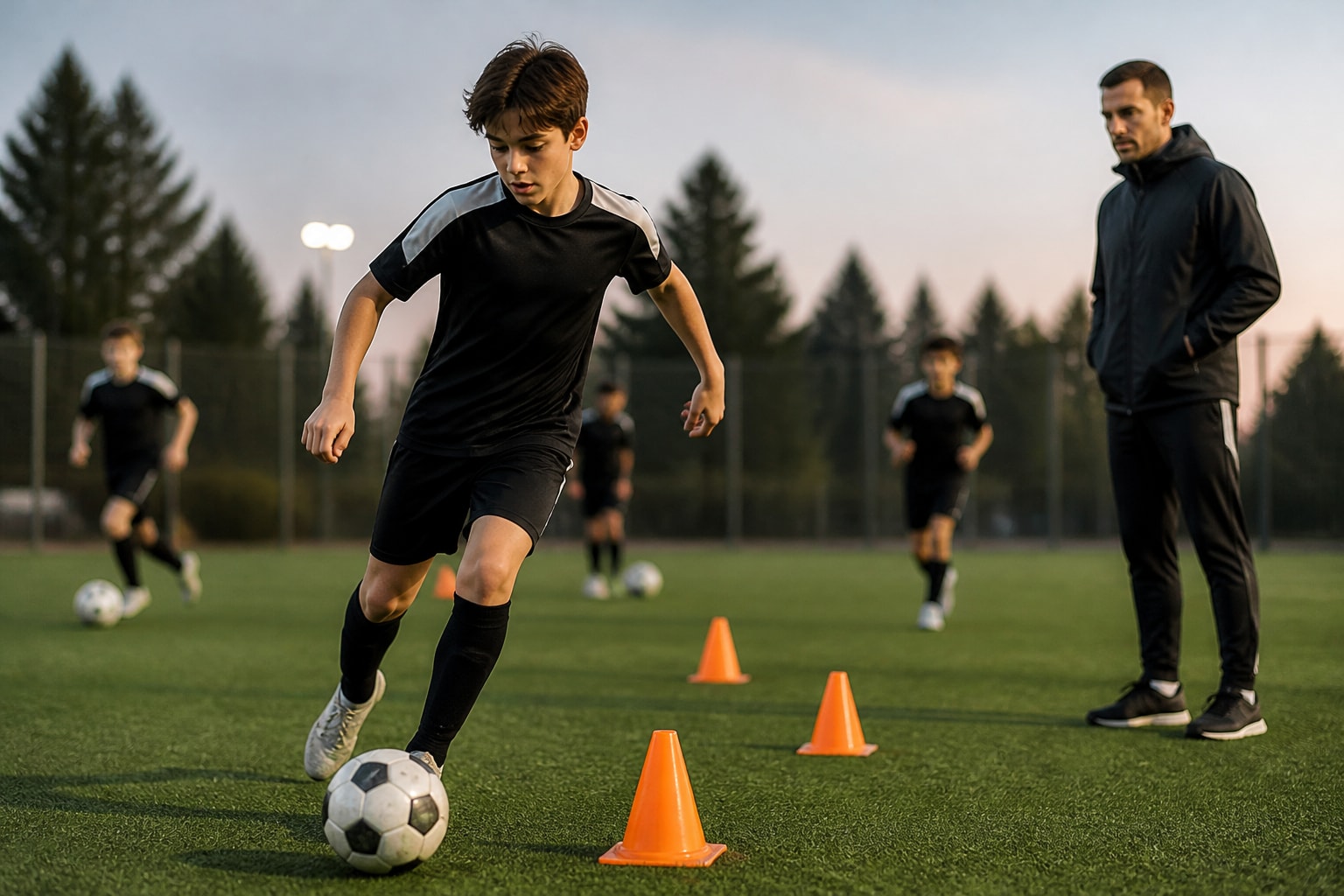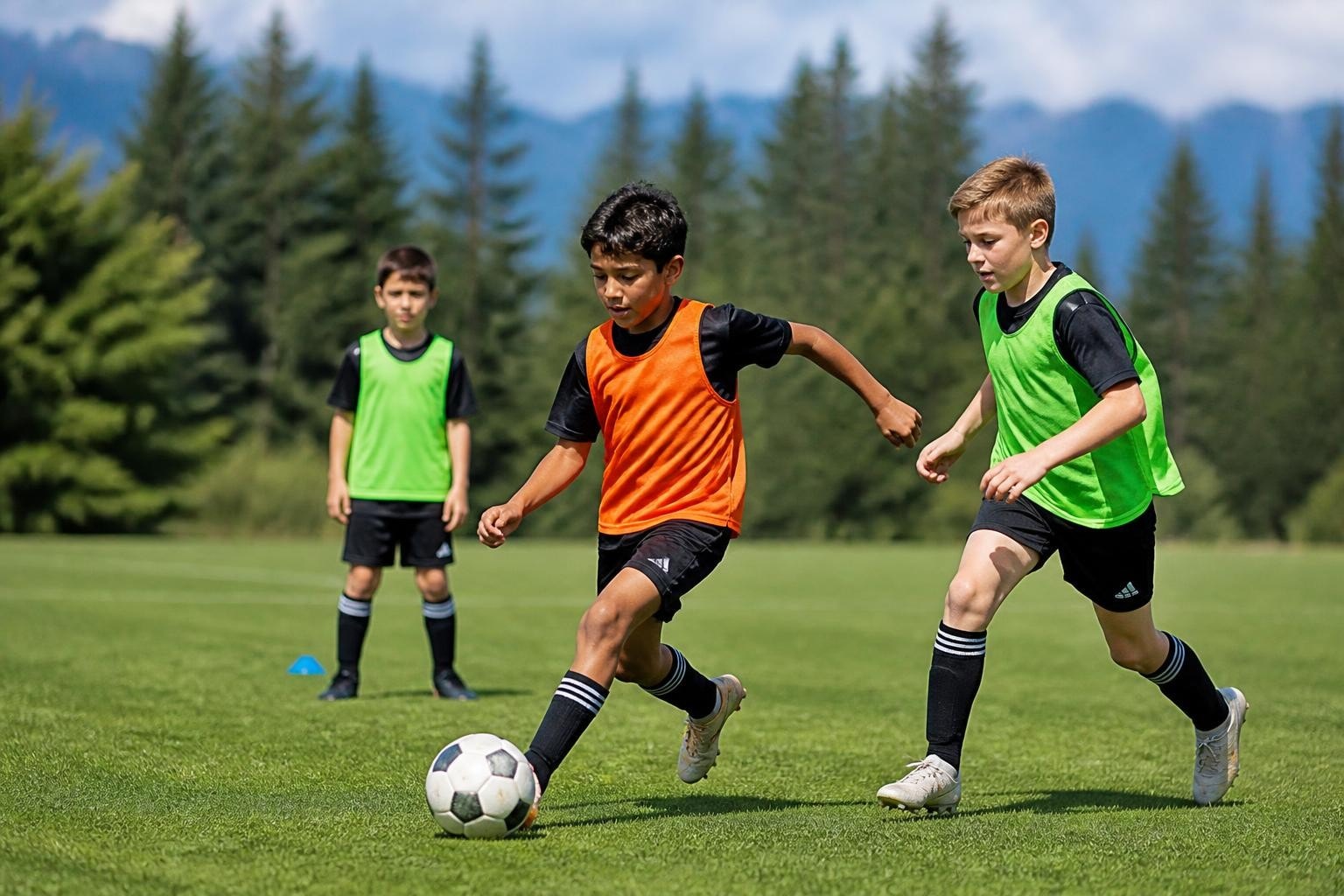
Finding the right environment for your child's athletic development requires more than just a field and a ball. Parents across Surrey, BC are increasingly recognizing that specialized training through a kids soccer academy in Surrey BC offers advantages that recreational leagues cannot match. These academies provide structured curricula, professional coaching standards, and age-appropriate development models that align with national frameworks while nurturing both athletic ability and personal growth.
What Defines a Quality Youth Soccer Academy
A legitimate soccer academy operates under clear standards and adheres to established developmental principles. The distinction between casual coaching and academy-level instruction becomes evident when examining the framework supporting the program.
Licensing and Coach Qualifications
Professional academies employ coaches certified through Canada Soccer's national pathway. These credentials range from grassroots certifications to advanced National A Licenses, ensuring instructors understand child development, age-appropriate training loads, and modern coaching methodologies. The Coaching Association of Canada provides extensive resources that inform these standards, emphasizing safe sport principles and evidence-based training approaches.
Parents should verify coaching credentials before enrollment. Licensed coaches receive ongoing education about:
- Progressive skill development sequences
- Injury prevention and recognition
- Communication strategies for different age groups
- Tactical concepts appropriate to developmental stages
- Psychological support and motivation techniques

Adherence to Long-Term Athlete Development
Canada's sport system follows the Long-Term Athlete Development (LTAD) model, which recognizes that children progress through distinct stages requiring different training emphases. A kids soccer academy in Surrey BC implementing this framework adjusts training volume, competition frequency, and skill focus based on biological rather than chronological age.
| LTAD Stage | Typical Age Range | Training Focus | Competition Approach |
|---|---|---|---|
| Active Start | 0-6 years | Movement literacy, fun | No formal competition |
| FUNdamentals | 6-9 years | Basic movement skills | Festival-style events |
| Learn to Train | 9-12 years | Sport-specific fundamentals | Modified games, skill challenges |
| Train to Train | 12-16 years | Position-specific skills | Competitive leagues, tournaments |
| Train to Compete | 16-18+ years | Performance optimization | Elite pathways |
This scientific approach prevents early specialization burnout while building robust athletic foundations. The Canadian Paediatric Society recommends varied physical activity patterns that support overall health, making developmentally appropriate training essential.
The European Training Philosophy in Canadian Context
Traditional North American youth soccer often emphasized winning over development, creating environments where talented players monopolized playing time while others stagnated. European academies pioneered a different approach, focusing on technical mastery and tactical intelligence before physical dominance.
Technical Development as Foundation
European methodology prioritizes ball mastery from the earliest ages. Young players spend thousands of touches developing comfort with both feet, learning to receive passes under pressure, and executing techniques that become automatic through deliberate practice.
This technical foundation includes:
- First touch control: Cushioning passes, redirecting balls, preparing next actions
- Dribbling in tight spaces: Close control, body feints, change of direction
- Passing accuracy: Weight, timing, surface selection for different distances
- Shooting mechanics: Approach angles, striking surfaces, follow-through
Technical proficiency creates confident players who make better decisions because execution isn't a limiting factor. When a player trusts their ability to control a difficult pass, they're willing to receive the ball in challenging situations where game-changing plays develop.
Tactical Intelligence Through Game Understanding
Beyond individual skills, European training emphasizes understanding the game. Young players learn to read situations, recognize patterns, and anticipate developments before they unfold. This cognitive aspect separates competent players from exceptional ones.
Tactical education progresses from simple concepts to complex systems:
- Individual tactics: When to dribble vs. pass, defensive positioning, creating space
- Small group tactics: Overlaps, give-and-go combinations, pressing triggers
- Team tactics: Shape maintenance, transition moments, set piece organization
- Game management: Tempo control, exploiting weaknesses, adapting to opponents
A quality kids soccer academy in Surrey BC integrates tactical learning through modified games rather than lecture-style instruction. Players discover principles through guided play, receiving coaching interventions that highlight key moments and reinforce decision-making patterns.
Physical and Psychological Development in Academy Settings
Complete player development extends beyond soccer-specific training. Modern academies address physical conditioning and mental resilience as integral components of athletic growth.
Age-Appropriate Physical Training
Youth athletes require carefully calibrated physical development programs. Prepubescent players benefit most from movement variety and coordination challenges rather than strength training. As players mature, programming incorporates speed development, power output, and injury prevention protocols.
Physical development in academy settings typically includes:
- Dynamic warm-ups emphasizing mobility and activation
- Agility and coordination exercises using varied equipment
- Speed mechanics through proper running technique
- Core stability work supporting injury resistance
- Age-appropriate strength development following growth stages
Surrey's investment in facilities like the new Jumpstart Community Soccer Pitch at Guildford Heights demonstrates municipal commitment to youth sport infrastructure, providing quality surfaces that reduce injury risk while supporting year-round training.
Building Mental Resilience and Character
The psychological dimension separates athletes who fulfill their potential from those who plateau despite physical gifts. Academy environments teach resilience through controlled challenges, helping young players develop growth mindsets and emotional regulation.
Mental skills training addresses:
Confidence building: Celebrating effort and improvement rather than just outcomes creates players who embrace challenges. Coaches provide specific, actionable feedback that helps athletes understand their progress.
Handling pressure: Competitive situations teach players to manage nerves and perform under scrutiny. Graduated exposure to higher-stakes environments builds comfort with discomfort.
Teammate relationships: Learning to communicate constructively, support peers through difficulties, and subordinate individual glory to team success develops character that extends beyond sport.
Goal setting: Players learn to establish process-oriented objectives they control (training frequency, skill repetitions) rather than outcome-based goals dependent on external factors.
Navigating Surrey's Soccer Academy Landscape
Surrey's growing population and multicultural demographics have created demand for diverse soccer programming. Families evaluating options should understand what differentiates programs claiming academy status.
Evaluating Program Quality and Philosophy
Not all programs labeled "academies" meet professional standards. Parents should investigate several factors before committing to a kids soccer academy in Surrey BC.
Critical evaluation criteria include:
| Quality Indicator | What to Look For | Red Flags |
|---|---|---|
| Coach credentials | Canada Soccer licenses, ongoing education | Unverified qualifications, parent coaches without training |
| Player-to-coach ratio | 12:1 or better for skill development | Large groups with minimal individual attention |
| Training curriculum | Progressive, documented skill progressions | Ad-hoc sessions without clear objectives |
| Playing time philosophy | Development-focused, equitable opportunities | Win-first approach favoring top players |
| Communication | Regular updates, accessible staff, transparent policies | Poor responsiveness, unclear expectations |
The BC Soccer Academy Association provides resources outlining operational standards specific to British Columbia, including equity policies and safeguarding requirements that protect young athletes.
Understanding Cost and Value Proposition
Academy training represents a financial commitment beyond recreational league fees. Annual costs typically range from $2,000 to $6,000 depending on training frequency, tournament travel, and included services.
Value assessment should consider:
- Training hours per week and session duration
- Coach qualifications and player-to-coach ratios
- Facility quality and field access
- Competition opportunities and tournament inclusion
- Additional development resources (video analysis, individual assessments)
- Pathway opportunities to higher levels
Quality academies justify their pricing through professional delivery, not just more hours. A program offering 90-minute high-intensity sessions with licensed coaches provides greater value than longer sessions with unqualified instructors. Programs like Soccer Skills Training demonstrate how focused, professional environments accelerate development compared to high-volume, low-quality alternatives.
Technical Training Components That Drive Improvement
The technical pillar of player development requires deliberate practice structured around progressive difficulty. A kids soccer academy in Surrey BC implementing evidence-based training creates measurable skill advancement.
Ball Mastery Progressions
Technical excellence begins with comfort on the ball. Young players need thousands of quality touches in varied contexts to develop the automaticity that frees mental capacity for tactical decisions.
Effective ball mastery training follows progressions:
- Stationary control: Both feet, all surfaces, varied heights and speeds
- Moving manipulation: Dribbling with direction changes, speed variations
- Pressure introduction: Passive defenders, time constraints, space limitations
- Game-realistic chaos: Multiple defenders, transitional moments, fatigued states
Sessions balance repetition for skill consolidation with variability that prevents robotic execution. Players learn to adjust techniques based on game situations rather than performing moves identically regardless of context.
Receiving and Distribution Under Pressure
Modern soccer's pace demands players receive and release the ball quickly while under defensive pressure. This skill combination requires technical precision and spatial awareness developed through specific training.
Progressive training introduces complexity gradually:
- Unopposed technical repetition establishing proper mechanics
- Directional constraints requiring specific receiving surfaces
- Passive pressure creating decision urgency without full opposition
- Active defenders forcing rapid assessment and execution
- Transitional scenarios combining offense and defense
Players who excel at receiving under pressure create time for teammates and unlock defenses by accepting passes in tight areas where opponents expect turnovers.
Competitive Pathways and Performance Opportunities
Development requires appropriate competitive challenges. A comprehensive kids soccer academy in Surrey BC provides graduated performance opportunities matching player readiness.
League and Tournament Structure
Academy teams typically participate in competitive leagues organized by regional associations, providing regular fixtures against similarly skilled opponents. These leagues follow Canada Soccer’s grassroots standards, ensuring appropriate game formats and development-focused rules.
Beyond league play, tournaments offer concentrated competition and exposure to varied playing styles. Quality academies select tournaments strategically, balancing competitive challenge with developmental benefit rather than pursuing excessive travel.
Tournament benefits include:
- Multiple games in short timeframes developing fitness and recovery habits
- Exposure to different tactical approaches and playing styles
- Team bonding through travel and shared experiences
- Performance under pressure in elimination formats
- Showcasing abilities to scouts and higher-level programs
Identification and Advancement Opportunities
Top performers may receive identification for district, provincial, or national programs. Academy environments prepare players for these selection processes through exposure to the technical standards and tactical concepts emphasized at higher levels.
The best youth soccer academies in Surrey maintain relationships with advanced pathways, providing information about trials and requirements while supporting players through selection processes.
Advancement typically follows this sequence:
- Club academy teams: Highest level within the organization
- District programs: Regional all-star selections for supplementary training
- Provincial squads: British Columbia teams competing nationally
- National programs: Canada Soccer youth national teams
- Professional academy contracts: MLS Next, Canadian Premier League academies
Players benefit from clear pathway visibility regardless of whether they reach elite levels, as understanding progression possibilities motivates consistent effort.
The Role of Facilities and Training Environment
Quality facilities enhance training effectiveness and demonstrate organizational professionalism. Surrey offers various soccer venues, with academies securing optimal spaces for their programs.
Field Quality and Accessibility
Natural grass provides the ideal playing surface but requires maintenance and weather considerations. Artificial turf offers year-round consistency, particularly valuable in British Columbia's wet climate. Facilities like South Surrey Athletic Park showcase the municipality's field inventory supporting local programming.
Field considerations affecting training quality include:
- Surface condition: Levelness, grass height, drainage, line marking
- Lighting: Adequate illumination for evening sessions
- Size appropriateness: Proper dimensions for age groups and training objectives
- Amenities: Washrooms, shelter, parking, spectator areas
- Accessibility: Location convenience, transit options, parking availability
Academies securing consistent access to quality facilities demonstrate organizational capability and commitment to optimal training conditions.
Indoor Training Options
Winter training in British Columbia's climate benefits from indoor facilities offering climate-controlled environments. Indoor spaces enable technical work, tactical sessions, and small-sided games unaffected by weather.
Indoor training advantages:
- Consistent scheduling without weather cancellations
- Controlled temperature and lighting
- Smaller spaces forcing quicker decisions
- Surface predictability enhancing technical work
- Year-round program continuity
Parent Involvement and Communication Expectations
Successful youth sport requires partnership between coaches, players, and families. A professional kids soccer academy in Surrey BC establishes clear communication protocols and defines appropriate parent roles.
Supporting Your Child's Development
Parents influence athletic development through the home environment they create. Research shows parent behavior significantly affects young athlete enjoyment, persistence, and mental health in sport.
Constructive parent support includes:
Emphasizing effort over outcomes: Praising work ethic, attitude, and improvement rather than wins, goals, or playing time creates growth-oriented athletes who embrace challenges.
Avoiding technical coaching: Parents should resist instructing during games or contradicting coach guidance. Conflicting messages confuse young players and undermine coach-player relationships.
Managing expectations realistically: Understanding that professional careers remain statistically rare prevents placing undue pressure on children while still supporting ambitious goals.
Prioritizing enjoyment: Children who find joy in sport persist longer and develop more completely than those feeling compelled to participate.
Modeling emotional regulation: Demonstrating controlled reactions to wins, losses, and referee decisions teaches players appropriate responses to competitive stress.
Communication Channels and Protocols
Professional academies establish clear communication structures preventing misunderstandings and addressing concerns efficiently. Parents should understand proper channels before issues arise.
Typical communication hierarchy:
- General inquiries: Administrative staff or program coordinators
- Training questions: Age group head coach during designated times
- Playing time concerns: 24-hour cooling period, then private coach meeting
- Program policies: Technical director or academy director
- Serious concerns: Formal complaint procedures per organizational policy
Academies provide regular updates through emails, apps, or parent meetings, keeping families informed about schedules, player progress, and program developments. This transparency builds trust and demonstrates organizational professionalism that distinguishes legitimate academies from casual programs.
Selecting the right training environment shapes your child's athletic journey and personal development for years to come. The best programs combine professional coaching, developmentally appropriate training, and supportive cultures that build confident, skilled players who love the game. Strive Soccer Academy brings European-style training philosophy to Surrey through fully licensed Canada Soccer coaches, focusing on technical, tactical, physical, and psychological development that creates real opportunities for young athletes. Our comprehensive approach ensures your child receives the structured, professional training that transforms potential into performance.