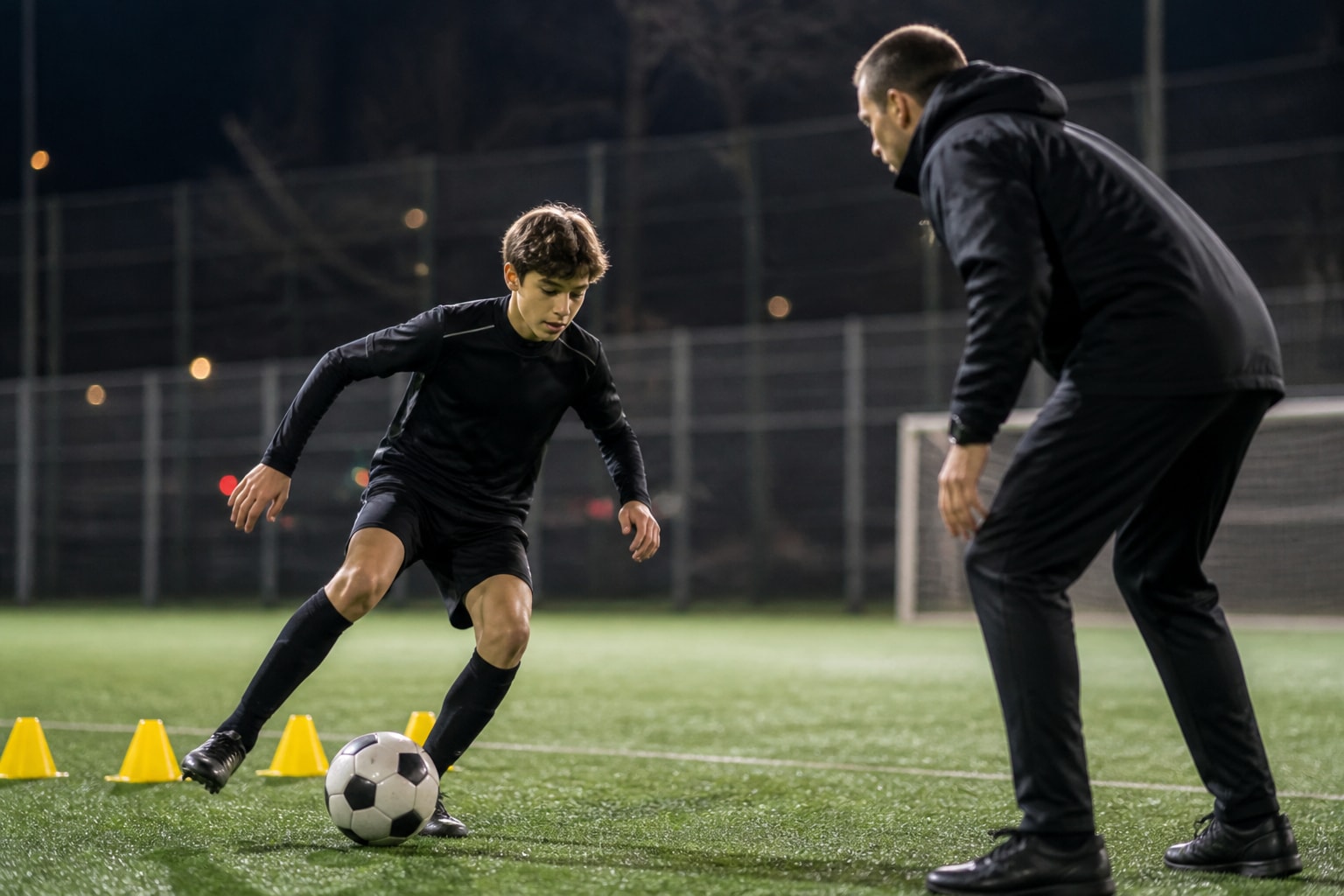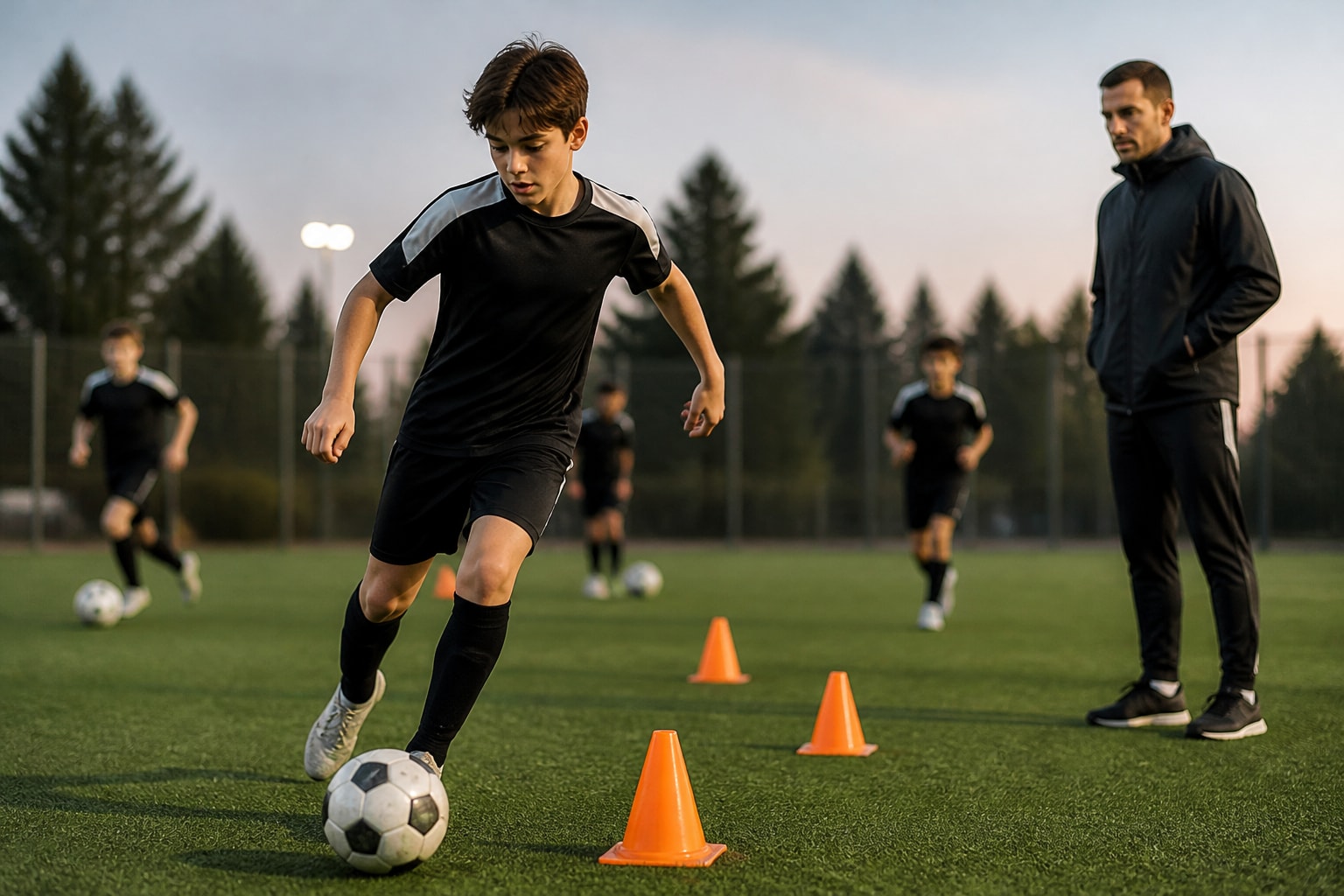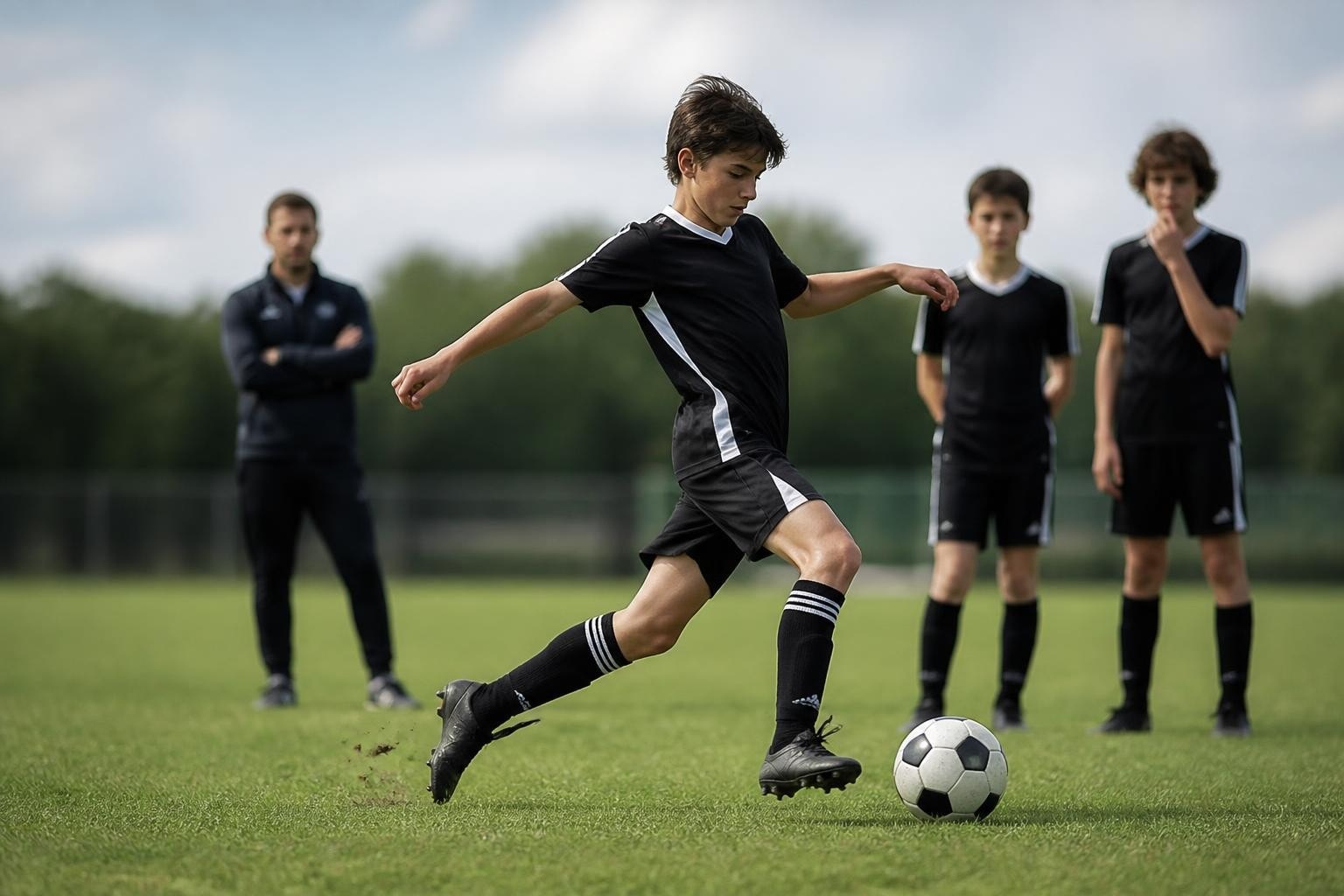
Parents and young athletes in Surrey, BC, are increasingly seeking training programs that go beyond recreational play and deliver the structured, professional development needed to excel in competitive soccer. With access to quality facilities, experienced coaching, and a growing soccer culture, competitive soccer training in Surrey BC has evolved to match European standards while embracing Canadian soccer development principles. This comprehensive approach creates pathways for players to reach their full potential, whether their goals include provincial team selection, college scholarships, or professional opportunities.
Understanding the Competitive Soccer Landscape in Surrey
Surrey has become a hub for youth soccer development in British Columbia, offering players access to multiple training pathways and competitive leagues. The city's investment in sports infrastructure has created opportunities that rival major metropolitan areas across Canada.
The competitive soccer environment in Surrey operates across several tiers, from regional leagues to provincial and national competitions. Players typically begin their competitive journey in community clubs before advancing to academy programs that offer specialized training. Understanding this progression helps families make informed decisions about their athlete's development path.
What Defines Competitive Training
Competitive soccer training differs fundamentally from recreational programs in intensity, frequency, and focus. These programs typically require:
- Training sessions 3-5 times per week during peak seasons
- Year-round commitment with minimal off-season breaks
- Performance evaluations and skill assessments throughout the year
- Competition at regional and provincial levels against top teams
- Professional coaching standards aligned with Canada Soccer coaching education requirements
The commitment extends beyond field time. Players in competitive programs dedicate hours to physical conditioning, video analysis, tactical study, and mental preparation. This holistic approach reflects the standards used by best youth soccer academies that prioritize long-term athlete development over short-term wins.

The Four Pillars of Player Development
European soccer academies have long recognized that creating complete players requires balanced development across four interconnected areas. Quality competitive soccer training in Surrey BC now incorporates these same principles into structured programs.
Technical Excellence
Technical training forms the foundation of competitive soccer development. Players must master ball control, passing accuracy, receiving skills, dribbling techniques, and shooting mechanics before they can execute complex tactical instructions under pressure.
Modern technical training emphasizes:
- First touch quality in tight spaces and under defensive pressure
- Passing accuracy with both feet across varying distances
- 1v1 attacking and defending skills that create advantages
- Finishing technique from multiple angles and distances
- Ball mastery that builds confidence and creativity
Training sessions incorporate repetition with progressive difficulty, ensuring players can perform skills consistently during high-pressure match situations. The technical training methodology builds muscle memory through thousands of purposeful touches.
Tactical Awareness
Understanding the game's tactical dimensions separates good players from exceptional ones. Competitive soccer training in Surrey BC develops tactical intelligence through structured progressions that teach players to read the game, anticipate opponent actions, and make quick decisions.
| Tactical Component | Youth Focus (U12-U14) | Advanced Focus (U15+) |
|---|---|---|
| Positioning | Basic shape understanding | Complex rotations and interchanges |
| Decision-Making | When to pass vs. dribble | Third-man runs and combination play |
| Defensive Organization | Individual marking concepts | Zonal systems and pressing triggers |
| Attacking Principles | Width and depth basics | Creating and exploiting space |
Tactical development follows the Long-Term Athlete Development framework that matches complexity to cognitive and physical maturity. Younger competitive players focus on foundational concepts, while older athletes study advanced systems, set-piece organization, and opponent analysis.
Physical Conditioning
The physical demands of competitive soccer have increased dramatically at all age levels. Players need strength, speed, agility, and endurance to compete effectively over full matches and condensed tournament schedules.
Proper physical training for youth athletes addresses several key areas:
- Movement mechanics and running technique
- Acceleration and deceleration patterns
- Change of direction efficiency
- Core stability for balance and injury prevention
- Aerobic and anaerobic capacity for sustained performance
- Flexibility and mobility to prevent injuries
Athletic development must be age-appropriate and soccer-specific. Resources from the Canadian Sport Institute Pacific help programs design conditioning protocols that enhance performance without causing overuse injuries. Parents should ensure their competitive program incorporates proper warm-up routines, cool-down protocols, and recovery strategies that protect young athletes.
Psychological Strength
Mental toughness and emotional regulation often determine success in competitive environments. Training programs that ignore psychological development leave players unprepared for the pressures of important matches, setbacks, and the demands of long seasons.
Competitive soccer training in Surrey BC increasingly incorporates mental skills training that addresses:
- Confidence building through mastery experiences
- Focus and concentration during high-pressure moments
- Resilience when facing adversity or mistakes
- Goal-setting for both short-term and long-term objectives
- Performance anxiety management before important matches
- Team communication and leadership development
Coaches create psychologically safe environments where mistakes become learning opportunities rather than sources of shame. This growth mindset approach allows players to take appropriate risks and develop creativity while building the mental resilience needed for high-level competition.
Training Methodologies That Drive Results
The most effective competitive programs employ training methodologies proven through decades of research and application at the highest levels of soccer.
Small-Sided Games
Research consistently demonstrates that small-sided games (4v4, 5v5, 7v7) provide superior development opportunities compared to traditional drill-based training. These game formats increase individual touches, decision-making repetitions, and tactical problem-solving opportunities.
The benefits of small-sided games include:
- Increased ball contacts per player per session
- More frequent decision-making opportunities
- Greater cardiovascular intensity due to continuous involvement
- Enhanced spatial awareness in tighter playing areas
- Improved technical execution under defensive pressure
Quality competitive soccer training in Surrey BC dedicates significant session time to small-sided game formats that replicate match conditions while maximizing player engagement and learning opportunities.
Periodization and Season Planning
Professional programs organize training into structured periods that optimize performance at key times while managing player fatigue and injury risk. This periodization approach divides the year into distinct phases.
| Training Phase | Duration | Primary Focus | Training Intensity |
|---|---|---|---|
| Pre-Season | 6-8 weeks | Fitness base, technical refinement | Moderate to High |
| Early Season | 8-10 weeks | Tactical integration, team building | Moderate |
| Mid-Season | 12-16 weeks | Match preparation, recovery protocols | Variable |
| Late Season | 4-6 weeks | Peak performance, tournament prep | High |
| Off-Season | 4-6 weeks | Active recovery, skill maintenance | Low to Moderate |
Proper periodization prevents burnout while ensuring players peak for important competitions. Programs that maintain high intensity year-round without planned recovery periods create significant injury risk and mental fatigue.
Position-Specific Training
As players mature and specialize in certain positions, competitive training must address position-specific requirements. Defenders need different skill emphases than midfielders or forwards, while goalkeepers require entirely specialized training protocols.
Advanced competitive soccer training in Surrey BC incorporates position-specific sessions that develop:
- Goalkeeper distribution and shot-stopping techniques
- Center-back defensive heading and positioning against different striker types
- Full-back overlapping runs and defensive recovery speed
- Central midfield scanning patterns and passing range
- Winger 1v1 skills and crossing accuracy
- Striker movement off the ball and finishing under pressure
This specialization typically begins around age 13-14, when players have developed sufficient technical foundation and tactical understanding to benefit from position-specific coaching.
Facilities and Infrastructure Supporting Competitive Training
Surrey's soccer infrastructure has expanded significantly, providing competitive programs with the facilities needed for year-round development. The city operates numerous outdoor fields and has invested in indoor and covered facilities that eliminate weather-related training cancellations.
Indoor Training Venues
Weather conditions in British Columbia create challenges for consistent outdoor training during fall and winter months. Access to quality indoor facilities ensures competitive programs maintain training frequency regardless of conditions.
The City of Surrey facility inventory lists multiple indoor turf spaces and gymnasiums used by competitive soccer programs. These climate-controlled environments allow for technical work, tactical sessions, and conditioning programs without interruption.
Indoor training offers specific advantages:
- Consistent surface conditions for technical development
- Controlled environment for video analysis and tactical instruction
- Year-round availability maintaining training frequency
- Specialized equipment for goalkeeper and position-specific work
Outdoor Field Access
During suitable weather, outdoor field training provides the most realistic preparation for match conditions. Cloverdale Athletic Park and other Surrey facilities offer full-size pitches and dedicated training spaces that competitive programs utilize for team sessions and match preparation.
Outdoor training emphasizes game-realistic scenarios including weather adaptation, field condition management, and spatial awareness on full-size pitches. Quality programs balance indoor technical work with outdoor tactical and physical training.
Coaching Quality and Certification Standards
The caliber of coaching directly determines training program effectiveness. Competitive soccer training in Surrey BC benefits from growing numbers of highly qualified coaches who meet or exceed national certification standards.
Canada Soccer operates a comprehensive coaching education system with multiple certification levels. Competitive programs should employ coaches holding appropriate licenses for their training level.
Coaching Certification Levels
- Grassroots certifications: Community Coach and Children's Coach for introductory levels
- Learning Facilitator: Basic competitive coaching certification
- Youth License: Specialized youth development coaching
- B License: Advanced competitive coaching qualification
- A License: Professional and high-performance coaching certification
- National License: Highest coaching qualification in Canada
Parents evaluating competitive programs should inquire about coaching qualifications. Programs with National A License holders and B License coaches typically deliver superior technical and tactical instruction compared to those relying on lower-certified or uncertified coaches.
Health, Safety, and Injury Prevention
Competitive soccer places significant physical demands on developing athletes. Responsible programs implement comprehensive safety protocols and injury prevention strategies that protect player health while maximizing performance development.
Injury Prevention Protocols
Youth athletes face unique injury risks due to growth spurts, developing coordination, and training load management challenges. Evidence-based injury prevention includes:
- Dynamic warm-up routines incorporating movement preparation
- Neuromuscular training for ACL injury prevention
- Load monitoring to prevent overtraining
- Proper progression of training volume and intensity
- Recovery protocols between training sessions and matches
SportMedBC resources provide coaches and parents with practical guidance on reducing injury risk in youth soccer. Programs should demonstrate knowledge of these protocols and integrate them into regular training.
Nutrition for Competitive Athletes
Proper nutrition supports training adaptations, recovery, and match-day performance. Competitive soccer training in Surrey BC increasingly educates players and families about nutrition strategies specific to soccer demands.
Key nutrition considerations include:
- Pre-training fuel for energy and performance
- Post-training recovery nutrition within 30-60 minutes
- Hydration strategies before, during, and after sessions
- Match-day nutrition timing and composition
- General dietary patterns supporting growth and development
The Dietitians of Canada offers evidence-based nutrition guidance for young athletes. Competitive programs may partner with sports dietitians to provide individualized nutrition planning for serious athletes.
Balancing Academics and Athletic Commitments
Competitive soccer requires significant time investment that must be balanced with academic responsibilities, family commitments, and appropriate rest. Successful competitive athletes develop strong time-management skills and receive support from coaches and parents.
Time Management Strategies
Players in competitive programs typically dedicate 10-15 hours weekly to soccer-related activities including training sessions, matches, travel, and recovery. Effective time management becomes essential.
Strategies that support academic-athletic balance include:
- Structured daily schedules with designated homework time
- Communication with teachers about competition travel
- Study sessions during tournament travel
- Prioritization skills for managing competing demands
- Adequate sleep for recovery and cognitive function
Quality competitive programs recognize academic achievement as equally important to athletic success. Coaches should inquire about academic progress and support players managing heavy workloads.
Recovery and Rest
Young athletes need more recovery time than adults due to ongoing growth and development. Overtraining syndrome represents a significant risk when athletes train intensely without adequate rest.
Proper recovery includes:
- 8-10 hours of sleep nightly for youth athletes
- At least one full rest day weekly
- Active recovery sessions with low-intensity movement
- Periodized training with reduced-load weeks
- Off-season breaks of 4-6 weeks annually
Parents should monitor their athlete for signs of overtraining including persistent fatigue, declining performance, mood changes, or increased injury frequency. Communication with coaches about workload concerns prevents long-term problems.
Evaluating Competitive Soccer Programs
Not all competitive programs deliver equal quality or value. Parents and players should evaluate multiple factors when selecting competitive soccer training in Surrey BC.
Key Evaluation Criteria
| Criterion | What to Look For | Red Flags |
|---|---|---|
| Coaching Qualifications | B License or higher, ongoing education | No certification information provided |
| Training Philosophy | Clear development model, age-appropriate methods | Win-at-all-costs mentality |
| Player Development | Individual improvement focus, multiple pathways | Only elite players receive attention |
| Communication | Regular updates, accessible coaches | Poor responsiveness, unclear expectations |
| Facilities | Consistent access, appropriate for training level | Frequent cancellations, inadequate space |
| Cost Structure | Transparent fees, value alignment | Hidden costs, poor cost-to-value ratio |
Questions to Ask Programs
Prospective families should ask detailed questions that reveal program quality and alignment with their athlete's needs:
- What coaching certifications do your staff hold?
- How do you structure player development across age groups?
- What is your typical training-to-game ratio during the season?
- How do you handle player feedback and development conversations?
- What opportunities exist for college exposure or advancement?
- How do you support players balancing academics and athletics?
Programs that provide clear, detailed answers demonstrate professionalism and transparency. Vague responses or reluctance to discuss these topics may indicate program weaknesses.
Pathway Opportunities for Competitive Players
Well-structured competitive soccer training in Surrey BC creates multiple pathways for player advancement. Understanding these opportunities helps families make strategic decisions about their investment in competitive soccer.
Provincial and National Team Selection
British Columbia operates provincial team programs at multiple age groups, with players selected through identification camps and league performances. Provincial team experience provides exposure to higher competition levels and college scouts.
National team pathways begin with regional identification and progress through age-group national teams. While only a small percentage of competitive players reach national team levels, quality training programs prepare players to compete for these opportunities.
College Soccer Opportunities
College soccer represents a realistic goal for dedicated competitive players who maintain strong academics alongside athletic development. American and Canadian universities offer athletic scholarships and admission support for qualified student-athletes.
The college recruitment process typically begins around age 15-16 with:
- Highlight video creation showcasing skills and match performance
- Communication with college coaches via email and recruiting platforms
- Showcase tournament attendance where college scouts evaluate players
- Academic preparation maintaining GPA requirements for athletic eligibility
- SAT/ACT testing for American university admission
Competitive programs with college placement track records provide valuable guidance through this complex process, connecting families with recruiting resources and college coaching contacts.
Professional Development Academies
The most talented competitive players may advance to professional academy systems operated by Major League Soccer clubs or Canadian Premier League teams. These highly selective programs offer the highest level of youth development in North America.
For players seeking intensive, professional-pathway training, specialized high-performance training opportunities provide focused skill development in competitive environments that mirror professional academy standards.
Competitive soccer training in Surrey BC has evolved to provide young athletes with world-class development opportunities that balance technical excellence, tactical sophistication, physical conditioning, and mental strength. Families investing in these programs gain access to professional coaching, quality facilities, and clear pathways for advancement whether their goals include provincial teams, college soccer, or professional opportunities. Strive Soccer Academy brings this comprehensive, European-style approach to Surrey, with fully licensed Canada Soccer coaches delivering programs that develop complete players across all four pillars of growth, creating opportunities for young athletes to reach their full potential both on and off the field.