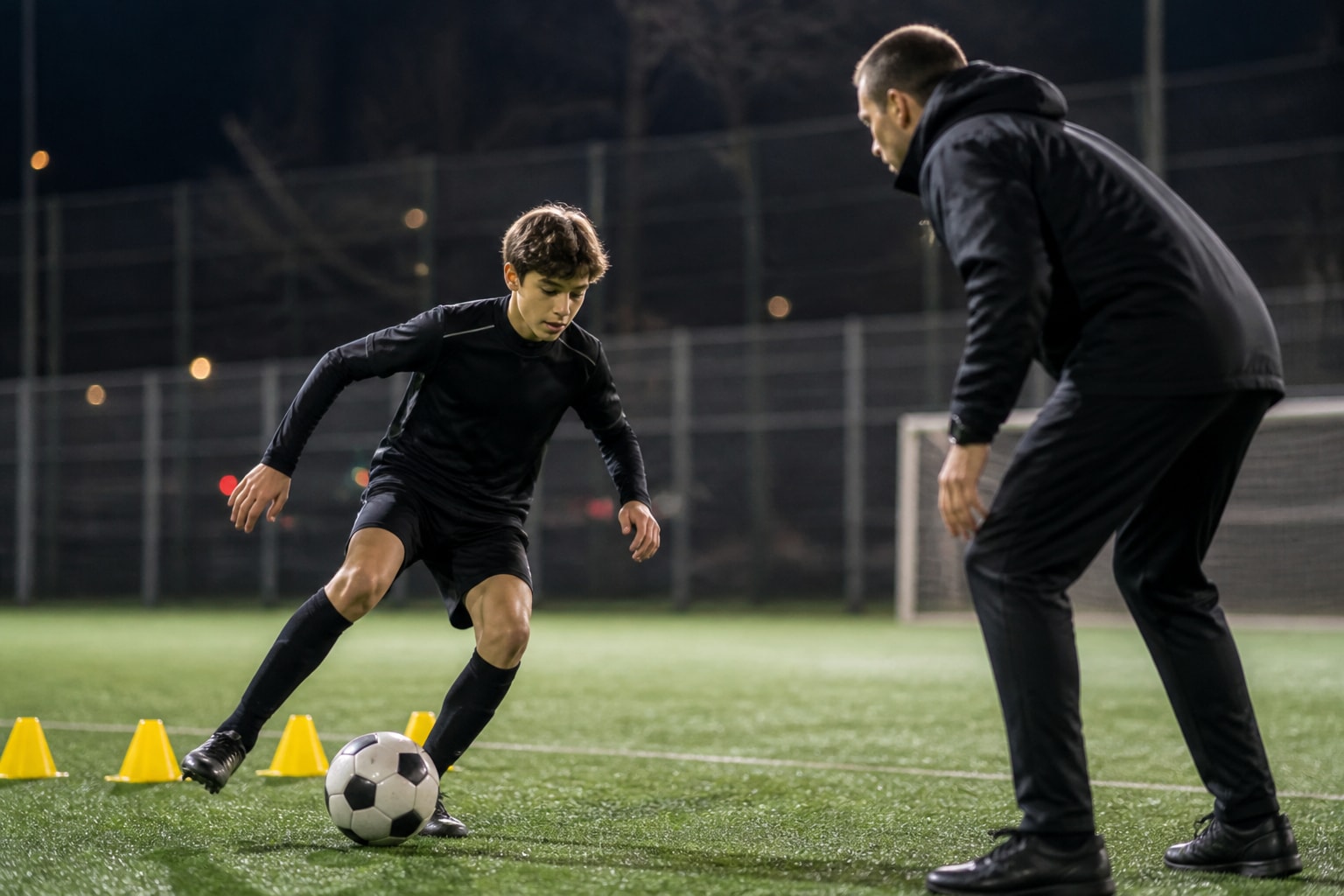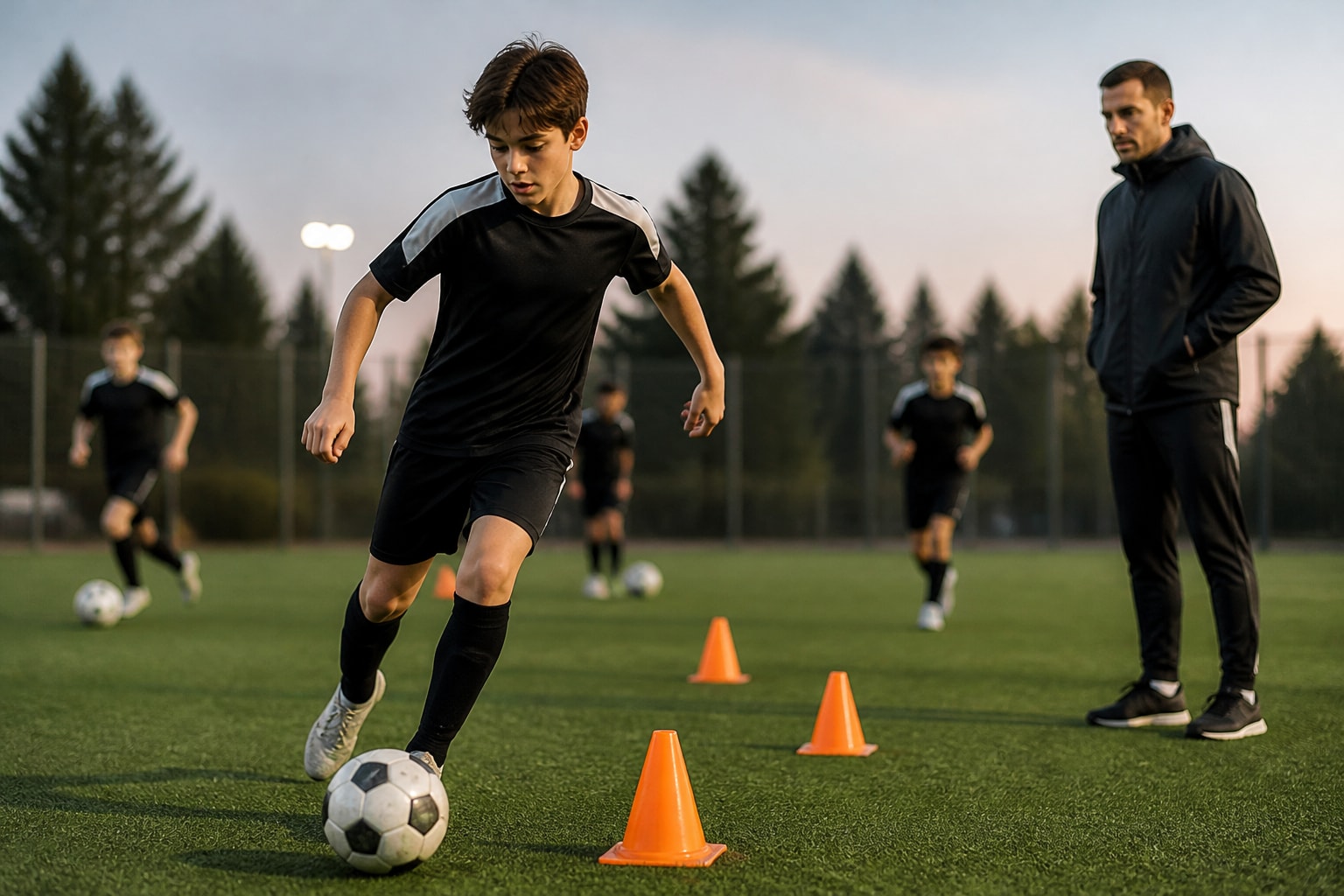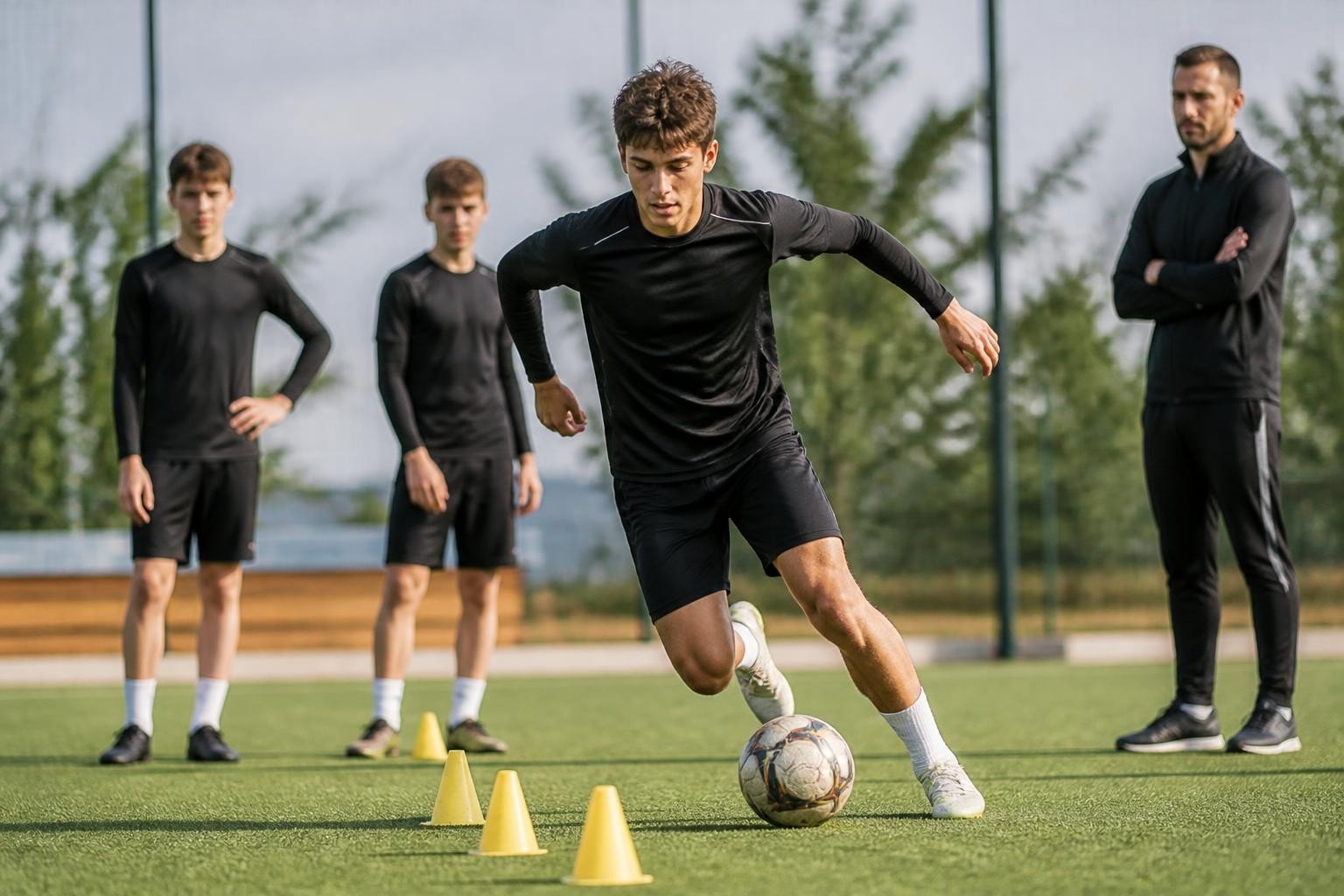
Youth soccer development in Surrey, British Columbia has evolved dramatically over the past decade, with families increasingly seeking programs that go beyond recreational play. Parents recognize that advanced soccer training in Surrey BC requires more than weekly practices and weekend games-it demands a structured, professional approach that mirrors the development pathways used in top soccer nations. As the city continues to invest in athletic infrastructure and the local soccer community grows more sophisticated, understanding what separates elite training from standard programs becomes essential for families committed to their young athlete's growth.
The European Training Philosophy: Four Pillars of Player Development
Advanced soccer training in Surrey BC distinguishes itself through a holistic development model that addresses every dimension of player performance. The European approach, widely recognized as the gold standard in soccer development, focuses on four interconnected pillars: Technical, Tactical, Physical, and Psychological.
Technical development forms the foundation of elite play. This dimension encompasses ball mastery, first touch quality, passing accuracy under pressure, and the ability to execute skills with both feet. Advanced programs dedicate significant session time to repetition-based drills that build muscle memory and confidence.
Tactical intelligence separates good players from exceptional ones. Understanding positional play, recognizing patterns, making split-second decisions, and reading the game several moves ahead require dedicated instruction and match analysis. Programs following Canada Soccer’s advanced coach education framework integrate tactical periodization into weekly training blocks.

Physical Conditioning and Injury Prevention
The physical demands of competitive soccer continue to increase at every age level. Advanced soccer training in Surrey BC incorporates age-appropriate strength and conditioning protocols, speed and agility development, and evidence-based injury prevention strategies.
Research demonstrates the effectiveness of structured warm-up protocols in reducing injury risk. Studies on FIFA 11+ program adherence show significant reductions in both training and match injuries when players consistently follow proper preparation routines. Elite programs build these protocols into every session, creating habits that protect athlete availability throughout the season.
| Physical Component | Youth Focus (U10-U13) | Advanced Focus (U14+) |
|---|---|---|
| Strength | Bodyweight, core stability | Progressive resistance, power |
| Speed | Movement literacy, coordination | Linear/lateral speed, acceleration |
| Endurance | Aerobic base through play | Anaerobic capacity, recovery |
| Flexibility | Dynamic warm-ups | Targeted mobility work |
Psychological Development and Mental Resilience
The mental game receives insufficient attention in many training environments, yet it determines performance under pressure. Advanced soccer training in Surrey BC addresses psychological development through confidence building exercises, stress management techniques, goal-setting frameworks, and competitive mindset cultivation.
Young athletes face unique pressures in competitive environments. Research from UBC’s School of Kinesiology examines motivation and development patterns in youth soccer players, providing insights that inform training methodologies across the region.
Long-Term Athlete Development: Structuring the Journey
Quality soccer programs align with established athlete development frameworks rather than prioritizing short-term results over sustainable growth. The Long-Term Athlete Development model provides a roadmap for age-appropriate training that maximizes potential while minimizing burnout and injury risk.
FUNdamentals stage (ages 6-9) emphasizes movement literacy and basic soccer skills through play-based learning. Players at this stage should experience joy in movement, develop fundamental motor patterns, and build positive associations with training and competition.
Learning to Train stage (ages 9-12) introduces more structured technical work while maintaining high engagement. This crucial window for skill acquisition requires expert coaching and sufficient repetition to cement proper technique. Programs offering specialized youth soccer training create environments where players develop quickly without excessive pressure.
Training to Train stage (ages 12-16) marks the beginning of truly advanced soccer training in Surrey BC. Physical development accelerates, tactical understanding deepens, and players begin specializing in positions. Training volume and intensity increase systematically, requiring careful load management to prevent overuse injuries.
Session Design and Periodization
Elite training programs don't simply run drills-they follow carefully planned periodization cycles that build toward performance peaks. A typical weekly microcycle in advanced programs includes:
- Technical emphasis sessions focused on individual skill refinement
- Tactical training addressing team shape, transitions, and set pieces
- High-intensity conditioning replicating match demands
- Small-sided games integrating skills under pressure
- Recovery and preparation work maintaining athlete readiness
The structure ensures players develop comprehensively without excessive fatigue. Elite football training methodologies borrowed from professional environments scale appropriately for youth athletes while maintaining the developmental focus parents expect.
Coaching Quality: The Non-Negotiable Standard
No factor influences player development more significantly than coach quality. Advanced soccer training in Surrey BC requires instructors who possess both technical knowledge and pedagogical skill-the ability to communicate effectively with young athletes and create optimal learning environments.
Licensing and certification provide baseline standards for coaching competency. Canada Soccer's pathway from Children's License through National A License ensures coaches understand player development principles, safety protocols, and age-appropriate training methodologies. Programs staffed by coaches holding National Youth, National B, or National A credentials demonstrate commitment to professional standards.
Continuing education separates good coaches from exceptional ones. The sport evolves constantly, with new research informing training methods and tactical trends reshaping the game. Coaches who actively pursue professional development through courses, conferences, and peer learning create more effective training environments.
Player-Coach Ratios and Individual Attention
Group size dramatically affects training quality. Advanced programs maintain ratios that allow meaningful individual feedback and skill correction. Research conducted at Simon Fraser University’s Sport Science facilities examines optimal training loads and recovery patterns, informing decisions about session structure and group composition.
| Training Context | Optimal Ratio | Focus Area |
|---|---|---|
| Technical Skills | 1:6-8 | Individual correction, high repetition |
| Tactical Training | 1:10-12 | Group dynamics, pattern recognition |
| Small-Sided Games | 1:12-16 | Decision-making, game management |
| Match Play | 1:16-20 | Team performance, substitution patterns |
Infrastructure and Training Facilities
Surrey's expanding athletic infrastructure creates new opportunities for year-round training. The city’s investment in sport facilities, including new turf fields and proposed training centers, reflects the growing demand for advanced soccer training in Surrey BC.
Indoor facilities enable consistent training regardless of weather conditions. Climate-controlled environments allow technical work to continue through winter months when outdoor conditions compromise session quality. Access to indoor space separates programs that maintain development year-round from those with seasonal gaps.
Quality playing surfaces reduce injury risk and allow proper skill execution. Modern artificial turf systems provide consistent ball roll and safe footing, while well-maintained natural grass develops touch and feel. Advanced programs utilize multiple surface types, preparing players for varied competition environments.
Training Equipment and Technology
Modern soccer development incorporates tools that accelerate learning and provide objective feedback. GPS tracking systems monitor training loads, video analysis platforms enable tactical review, speed and agility equipment develops athletic qualities, and technical aids facilitate proper skill execution.
The Soccer High Performance Training program demonstrates how professional-level resources create optimal development environments for committed young athletes.
Competition Pathways and Development Opportunities
Training quality matters most, but appropriate competition provides essential context for skill application. Advanced soccer training in Surrey BC connects to clear competitive pathways that challenge players while maintaining developmental focus.
League structures should match player ability and development stage. Programs participating in BC Soccer's elite leagues ensure appropriate competition levels while maintaining training-to-competition ratios that prioritize development over results.
Tournament experiences expose players to different playing styles and higher-intensity environments. Carefully selected showcase events provide valuable benchmarking opportunities and motivation for continued development.
Transition to High Performance Programs
The most advanced youth players require pathways to provincial, regional, and national programs. Quality academies maintain relationships with organizations like BC Soccer, Pacific Coast Soccer League, and university programs, facilitating transitions for players ready to progress.
Understanding these pathways helps families make informed decisions about their athlete's development trajectory. Some players benefit from remaining in local academy environments longer, while others thrive with earlier transitions to high-performance systems.
Measuring Progress: Beyond Goals and Wins
Advanced soccer training in Surrey BC focuses on individual development rather than team results alone. Comprehensive evaluation systems track progress across all four development pillars, providing families with clear evidence of their athlete's growth.
Technical assessments measure skill execution under controlled conditions. Passing accuracy at various distances, dribbling speed and control, shooting technique and power, and weak-foot proficiency provide quantifiable benchmarks for technical development.
Tactical understanding proves harder to measure but equally important. Coaches evaluate positioning in various game phases, decision-making speed and quality, communication with teammates, and ability to execute team tactics under pressure.
| Assessment Area | Evaluation Method | Frequency |
|---|---|---|
| Technical Skills | Standardized testing, video analysis | Quarterly |
| Tactical Knowledge | Match analysis, coach observation | Monthly |
| Physical Markers | Speed testing, fitness protocols | Bi-annually |
| Mental/Social | Coach feedback, self-assessment | Ongoing |
Individual Development Plans
The most effective programs create personalized roadmaps for each athlete. These plans identify current strengths, target specific improvement areas, set measurable short and long-term goals, and outline the work required to achieve them. Regular review sessions with coaches keep players focused and families informed about development progress.
The Role of Training Outside Team Sessions
Advanced development requires work beyond scheduled team training. Programs that educate players and families about productive individual practice create athletes who progress faster than those relying solely on team sessions.
Structured individual work addresses specific weaknesses identified in assessments. A player struggling with left-foot passing dedicates 15 minutes daily to weak-foot touches. An athlete needing improved agility follows a prescribed ladder drill progression. Resources like targeted soccer training sessions provide frameworks for effective individual work.
Rest and recovery prove equally important to training volume. Young athletes require adequate sleep, proper nutrition, and scheduled rest days to maximize adaptation and prevent overtraining. Advanced programs educate families about recovery protocols that optimize development.
Selecting the Right Training Environment
Families evaluating advanced soccer training in Surrey BC should consider multiple factors beyond proximity and cost. The decision significantly impacts their athlete's development trajectory and enjoyment of the sport.
Program philosophy should align with family values and athlete needs. Some programs emphasize competitive success and early specialization, while others prioritize long-term development and multi-sport participation. Understanding these differences helps families make informed choices.
Key questions for program evaluation include:
- What are the coaching credentials and experience levels?
- How does the curriculum align with Long-Term Athlete Development principles?
- What player-to-coach ratios exist during training sessions?
- How does the program measure and communicate individual progress?
- What pathways exist for players ready to advance?
Trial Sessions and Program Fit
Reputable programs offer trial experiences before requiring commitment. These sessions allow athletes to experience training methodology, interact with coaches and teammates, and assess whether the environment matches their needs. Families should observe communication styles, session organization, and athlete engagement during trials. Those interested can book a trial session to experience program quality firsthand.
Integration of Sports Science and Evidence-Based Methods
Advanced soccer training in Surrey BC increasingly incorporates research-backed methodologies from exercise science, motor learning, and sports psychology. This evidence-based approach separates professional development environments from programs relying on tradition or intuition alone.
Periodization models derived from sports science optimize training stimulus and recovery. Linear, undulating, and block periodization each offer advantages for different development stages and competitive schedules. Programs that systematically plan training loads maximize adaptation while managing fatigue.
Skill acquisition research informs how coaches structure technical training. Differential learning, constraints-led approaches, and representative learning design create more effective skill development than traditional drill-based methods alone. The integration of game-realistic scenarios accelerates transfer from training to competition.
Load Monitoring and Athlete Management
Technology enables precise tracking of training demands. GPS units measure distance covered, sprint counts, and acceleration/deceleration loads. Heart rate monitors provide objective intensity data. Session RPE (Rating of Perceived Exertion) captures subjective athlete responses. Combined, these tools help coaches optimize training stimulus and identify athletes at injury risk due to excessive fatigue or rapid load increases.
Building Character Through Advanced Training
The best soccer programs develop not just skilled players but quality individuals. Advanced soccer training in Surrey BC should instill values that serve athletes throughout life: resilience through challenging training and setbacks, discipline from consistent effort toward long-term goals, teamwork through collaborative problem-solving, and leadership by empowering players to take ownership.
Coaches create character-building environments through intentional program design. Challenging but achievable goals develop resilience. Clear expectations and accountability systems build discipline. Collaborative exercises requiring communication strengthen teamwork. Rotating leadership roles in training activities cultivate leadership skills.
The transformation extends beyond the field. Parents consistently report improvements in academic focus, time management, confidence, and social skills among athletes committed to advanced training programs. These outcomes justify the investment families make in their athlete's development.
Developing elite soccer players requires more than talent-it demands systematic, professional training that addresses every aspect of performance. Whether your young athlete aims for collegiate soccer, professional opportunities, or simply wants to reach their full potential, choosing the right training environment makes all the difference. Strive Soccer Academy brings European-style development philosophy to Surrey, with fully licensed Canada Soccer coaches dedicated to building skills, character, and real opportunities for committed young players.