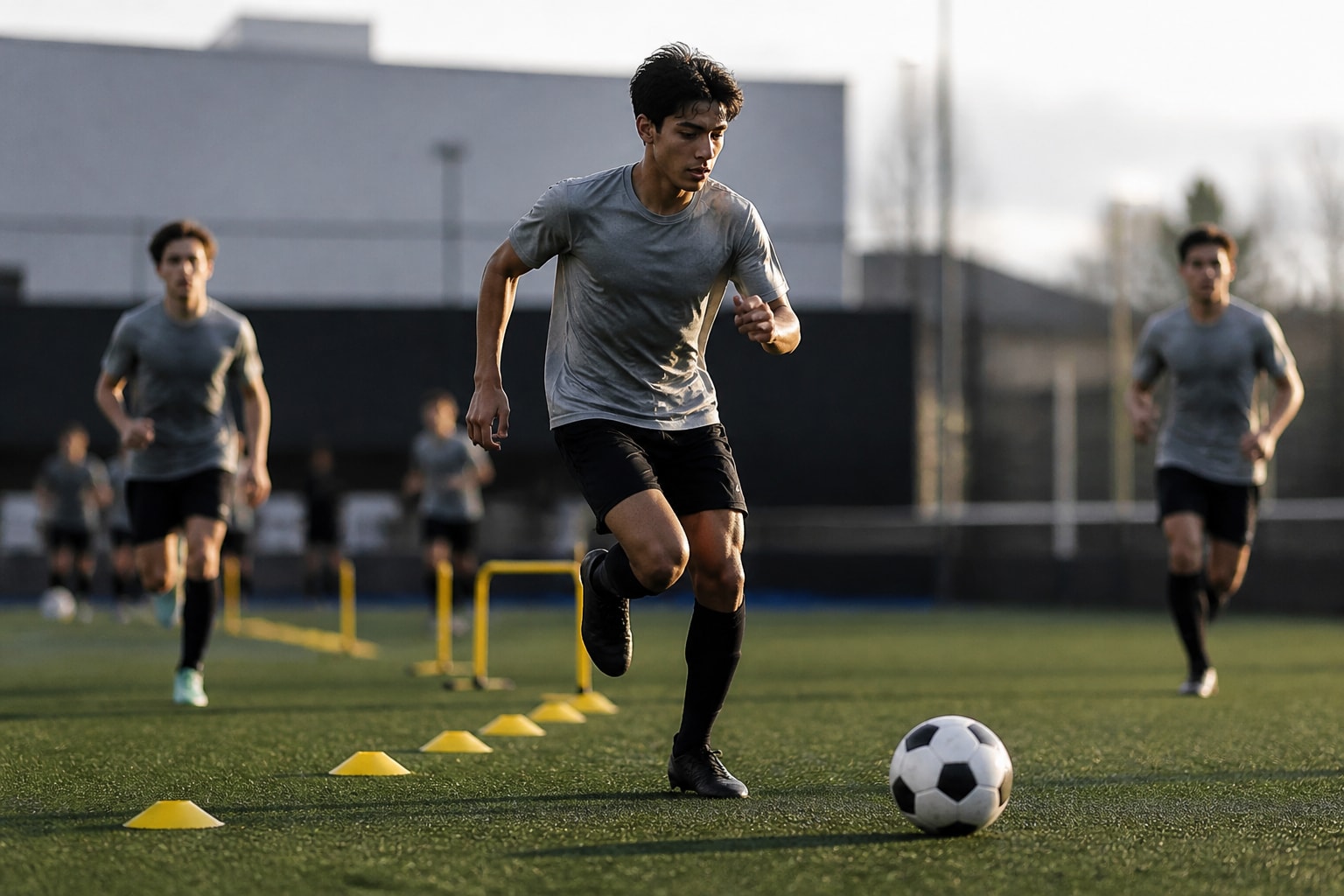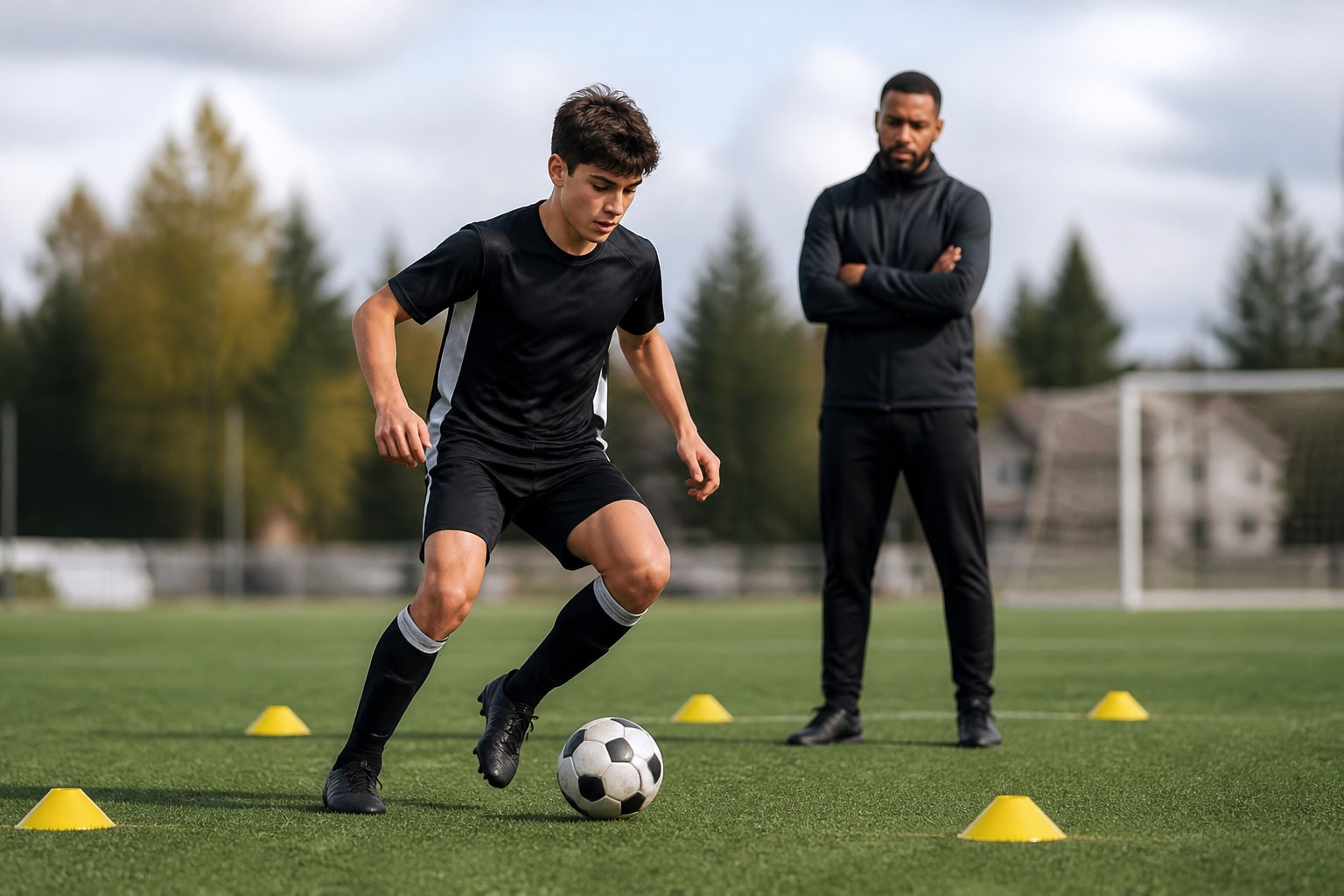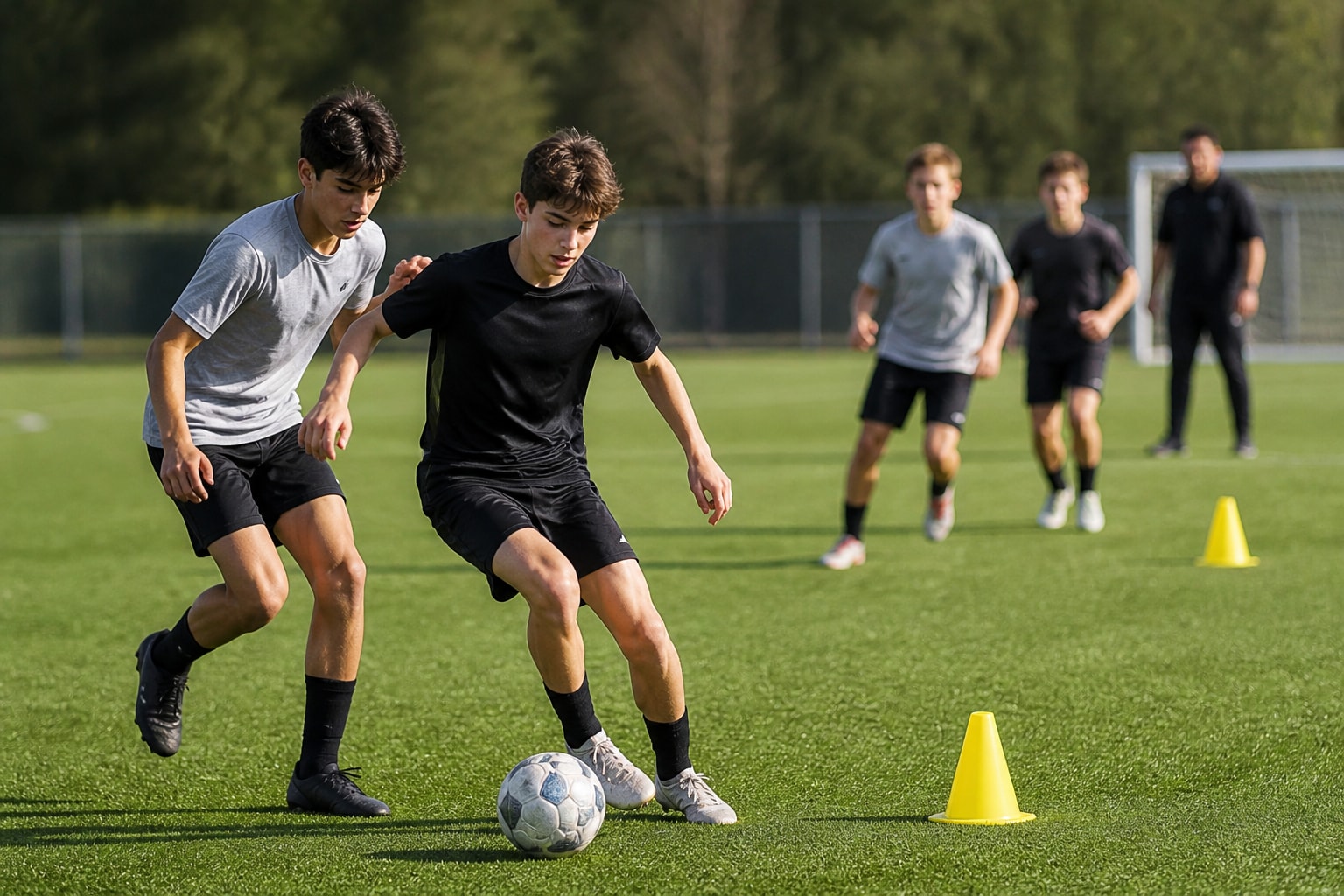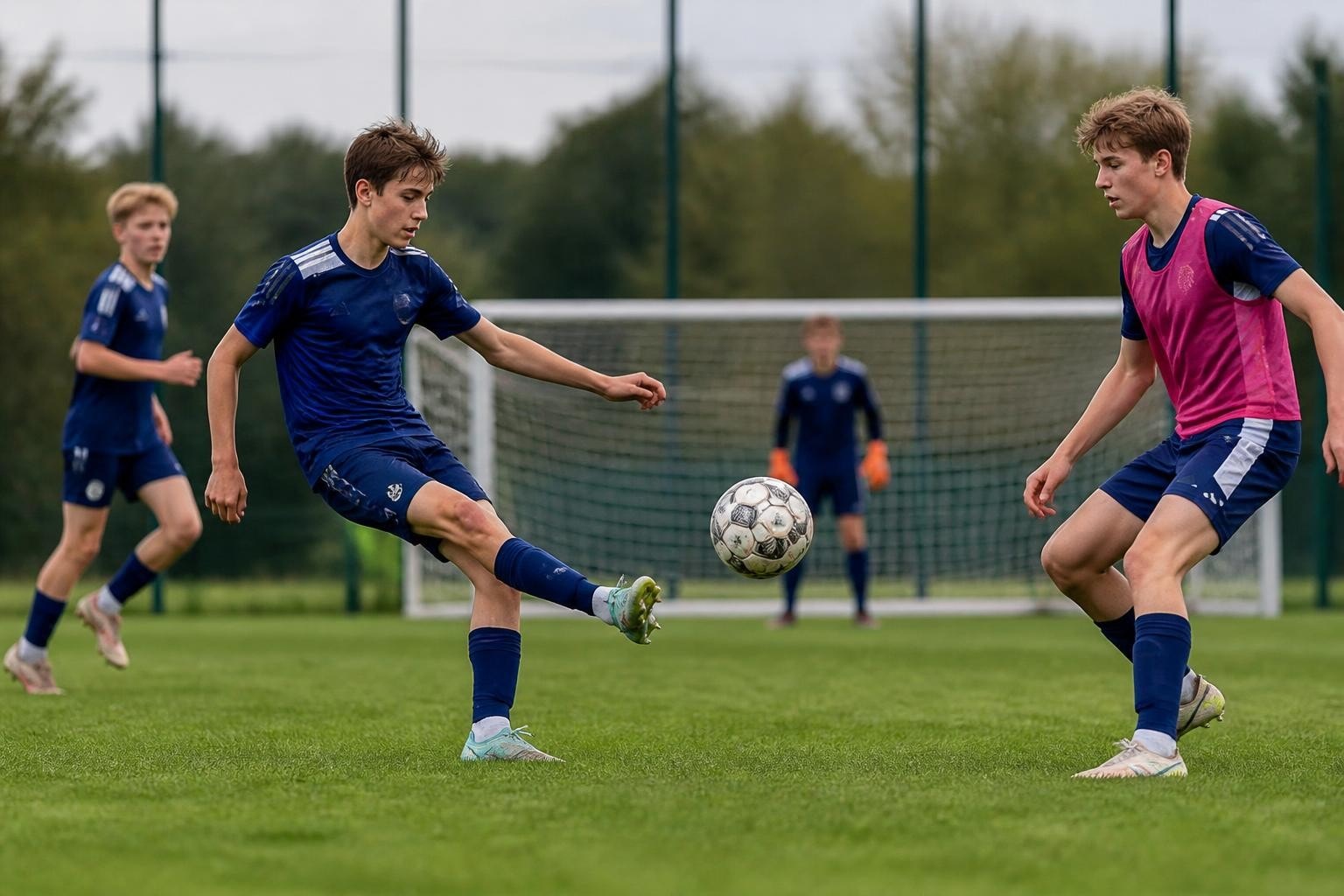
The u18 soccer age group represents one of the most critical phases in a player's development journey. This is the stage where technical foundations meet tactical maturity, physical capabilities peak during adolescence, and psychological resilience determines who advances to the next level. For players between 16 and 18 years old, the decisions made during this period can shape their entire athletic future, whether they're targeting college scholarships, professional contracts, or simply maximizing their potential in the sport they love.
Understanding the U18 Soccer Landscape
The u18 soccer environment differs dramatically from younger age groups. Players at this level face significantly higher competitive standards, more sophisticated tactical systems, and greater physical demands. Unlike U12 or U14 programs that emphasize enjoyment and broad skill development, u18 soccer serves as a direct gateway to adult competition.
Competitive Structure and Pathways
Most developed soccer nations organize their u18 soccer programs through tiered competition systems. In North America, players typically compete in elite club leagues, academy systems, or high school programs. The youth development frameworks established by national associations create structured pathways that identify and nurture top talent while providing recreational opportunities for others.
Key competitive pathways include:
- Elite academy programs affiliated with professional clubs
- Regional and national league systems
- High school varsity soccer
- Provincial or state select programs
- Showcase tournaments and identification camps
The European model differs significantly, with most elite u18 soccer players integrated into professional club academies. UEFA’s youth team requirements mandate that licensed clubs maintain organized youth programs with qualified coaches, ensuring consistent development standards across the continent.

Technical and Tactical Development at U18 Level
Technical proficiency reaches critical refinement during the u18 soccer years. Players who haven't mastered fundamental skills by this age face significant barriers to advancement. However, this stage also presents the final opportunity to polish techniques before transitioning to adult soccer.
Essential Technical Components
At the u18 soccer level, technical expectations extend beyond basic ball mastery. Players must demonstrate consistent execution under pressure, at speed, and in physically demanding situations. The margin for technical error decreases substantially compared to younger age groups.
| Technical Skill | U18 Standard | Training Priority |
|---|---|---|
| First Touch | Directional control in tight spaces | High-pressure repetitions |
| Passing Range | Accurate distribution 40+ yards | Weighted passing drills |
| 1v1 Ability | Success rate above 60% | Game-realistic scenarios |
| Finishing | Composure in high-stakes moments | Decision-making integration |
| Receiving | All surfaces, any trajectory | Varied service training |
Programs that emphasize tactical awareness alongside technical skill prepare players more effectively for the demands of adult soccer. The u18 soccer age represents the transition from learning techniques to applying them within sophisticated game models.
Tactical Maturity
Tactical understanding separates good u18 soccer players from exceptional ones. At this level, coaches expect players to recognize patterns, anticipate opponent movements, and make split-second decisions that reflect deep game knowledge.
Critical tactical competencies include:
- Positional rotation and spatial awareness
- Defensive organization and pressing triggers
- Transition speed in both attack and defense
- Set-piece execution and defensive responsibilities
- Game management and tempo control
The best u18 soccer programs integrate position-specific training with team tactical sessions. Defenders learn to step into midfield, forwards understand defensive responsibilities, and midfielders develop the versatility to influence both phases of play.
Physical Development and Performance
The u18 soccer age group coincides with significant physiological changes. Players experience rapid growth, hormonal shifts, and substantial increases in strength and power. Managing this development appropriately determines both immediate performance and long-term athletic health.
Training Load Management
Research shows that adolescent athletes face unique injury risks during periods of rapid growth. The IOC consensus statement on youth athletic development provides evidence-based guidelines for managing training loads, recovery periods, and specialization intensity for u18 soccer players.
Effective u18 soccer programs monitor individual growth patterns and adjust training accordingly. A player experiencing a growth spurt requires modified loading to protect developing joints and connective tissue. Ignoring these individual needs leads to overuse injuries that can derail promising careers.
Weekly training distribution for u18 soccer:
- Technical sessions: 3-4 hours
- Tactical training: 2-3 hours
- Physical conditioning: 2-3 hours
- Match play: 1-2 games
- Recovery protocols: Daily emphasis
Nutrition and Recovery
Proper fueling becomes non-negotiable at the u18 soccer level. Adolescent athletes have elevated energy demands due to both training requirements and natural growth processes. Evidence-based nutrition guidance for adolescent athletes emphasizes adequate caloric intake, proper timing of nutrients, and hydration strategies specific to young soccer players.
Many u18 soccer players unknowingly under-fuel their training, leading to compromised performance, increased injury risk, and potential long-term health consequences. Parents and coaches must recognize the signs of inadequate nutrition and implement appropriate fueling strategies.
Psychological Development and Mental Skills
Mental resilience often determines which u18 soccer players successfully transition to higher levels. The psychological demands intensify dramatically as players face recruitment pressure, increased competition, and higher performance expectations.
Building Mental Toughness
The u18 soccer environment tests psychological fortitude in ways younger age groups rarely experience. Players must handle rejection from college programs, manage playing time frustrations, and maintain motivation through setbacks. Those who develop robust mental skills gain significant competitive advantages.
Effective mental training for u18 soccer includes:
- Goal-setting frameworks that balance process and outcome objectives
- Visualization techniques for both skill execution and game situations
- Pressure management through graduated exposure to high-stakes moments
- Self-talk strategies that reinforce confidence and focus
- Emotional regulation skills for managing frustration and disappointment
Programs that integrate psychological development with technical and tactical training create more complete players. Mental skills aren't supplementary at the u18 soccer level; they're fundamental to success.
Leadership and Team Dynamics
The u18 soccer age group provides crucial opportunities to develop leadership capabilities. Players learn to communicate effectively, hold teammates accountable, and influence team culture. These skills prove valuable regardless of whether players continue in soccer or transition to other pursuits.
Coaches should deliberately create leadership opportunities for u18 soccer players. Rotating captain responsibilities, assigning mentorship roles with younger players, and facilitating team discussions build confidence and communication skills that extend beyond the field.
The Recruitment Pathway
For many North American u18 soccer players, college recruitment represents the primary objective. The process requires strategic planning, consistent performance, and proactive communication with coaches and programs.
Understanding College Soccer Recruitment
The college recruitment landscape has evolved significantly in recent years. NCAA regulations and recent legislative changes affect how and when coaches can contact prospects, creating a complex timeline that u18 soccer players and families must navigate carefully.
| Division Level | Athletic Scholarships | Academic Standards | Competition Intensity |
|---|---|---|---|
| Division I | Full and partial available | Minimum GPA/test scores required | Highest level |
| Division II | Partial scholarships common | Moderate requirements | High level |
| Division III | No athletic scholarships | Varies by institution | Competitive but varied |
| NAIA | Scholarship opportunities | Flexible standards | Competitive |
Successful recruitment requires u18 soccer players to maintain both athletic and academic standards. The best athletic ability means little if academic credentials don't meet institutional requirements.
Showcase Events and Visibility
Exposure remains critical in the recruitment process. U18 soccer players must compete in events where college coaches actively scout talent. Major showcase tournaments, elite league play, and identification camps provide crucial visibility opportunities.
The Soccer High Performance Training environment prepares players for the intensity and professionalism expected at showcase events. Players who train at high tempos with tactical sophistication demonstrate readiness for college soccer when scouts are watching.
Essential recruitment activities include:
- Creating highlight videos that showcase position-specific skills
- Maintaining academic eligibility and standardized test preparation
- Proactively emailing college coaches with game schedules
- Attending ID camps at target schools
- Leveraging club coach relationships and recommendations
Coaching Standards and Program Quality
The quality of coaching at the u18 soccer level directly impacts player development outcomes. Not all programs provide equal value, and families must evaluate coaching credentials, training methodologies, and development philosophies when selecting programs.
Coach Education and Licensing
Professional coaching standards have risen dramatically across soccer. Organizations now expect u18 soccer coaches to hold advanced licenses that demonstrate tactical knowledge, pedagogical skill, and age-appropriate training expertise. The U.S. Soccer coaching education pathway establishes clear standards for youth coaching credentials.
In Canada, licensing through Canada Soccer ensures coaches understand player development principles specific to adolescent athletes. Programs staffed by licensed coaches typically deliver more structured, progressive, and effective training than those relying solely on volunteer parents or unlicensed instructors.
European-Style Training Philosophy
Many elite u18 soccer programs in North America have adopted European training methodologies that emphasize ball mastery, positional play, and tactical intelligence. This approach contrasts with traditional North American models that historically prioritized athleticism and direct play styles.
European-influenced programs structure sessions around game-realistic scenarios rather than isolated drills. Players train in contexts that mirror actual match situations, developing the decision-making speed essential for higher-level competition. The focus extends beyond what players can do with unlimited time and space to what they can execute under pressure.
Position-Specific Development
Generic training approaches fail to maximize potential at the u18 soccer level. Players require position-specific work that addresses the unique demands of their roles within team tactical systems.
Positional Training Requirements
Goalkeepers need dedicated technical training separate from field players. Defenders require specific work on 1v1 defending, aerial duels, and distribution under pressure. Midfielders must develop scanning habits, passing range, and transitional awareness. Forwards focus on finishing efficiency, movement patterns, and pressing triggers.
Position-specific priorities by role:
- Goalkeepers: Shot-stopping, distribution accuracy, positioning, command of area
- Center Backs: Aerial dominance, line management, progressive passing, recovery speed
- Full Backs: Overlapping runs, defensive recovery, crossing accuracy, 1v1 defending
- Central Midfielders: Scanning frequency, passing range, press resistance, box-to-box stamina
- Wingers: 1v1 success rate, crossing quality, tracking back, cutting inside
- Forwards: Clinical finishing, link play, pressing intensity, movement off ball
Quality u18 soccer programs provide specialized coaching for each position while maintaining tactical cohesion across the team. Players develop both individual excellence and collective understanding.
International Opportunities and Exposure
For elite u18 soccer players, international competition provides invaluable experience and exposure to different playing styles. Tournaments abroad challenge players tactically and culturally while offering visibility to scouts from multiple countries.
Global Youth Tournament Calendar
FIFA’s youth tournament calendar showcases the international opportunities available to top u18 soccer players. While most players won't reach FIFA youth championships, many can access international friendly tournaments, training camps abroad, or exchange programs with foreign clubs.
These experiences broaden tactical understanding and expose players to different soccer cultures. A North American u18 soccer player who trains in Spain or England returns with expanded perspective on the game's possibilities.
Parent Role and Support Systems
Parents play crucial but often misunderstood roles in u18 soccer development. The most effective support looks different than it did when children were younger. Adolescent players need autonomy, not micromanagement, but they still require guidance and logistical support.
Effective Parent Involvement
The best soccer parents at the u18 level focus on providing resources, maintaining perspective, and supporting their player's goals rather than imposing their own ambitions. They understand the statistics around professional soccer careers while encouraging maximum effort and development.
Productive parent roles include:
- Managing logistics (transportation, equipment, tournament registration)
- Monitoring academic progress and eligibility requirements
- Providing emotional support after disappointments
- Facilitating nutrition and recovery habits at home
- Researching program quality and coaching credentials
- Maintaining open communication with coaches about development
What parents should avoid: coaching from the sideline, criticizing coaches publicly, comparing their player to teammates, and defining success solely by playing time or team results.
Long-Term Development Beyond U18
The end of u18 soccer marks a transition point, not a destination. Players who've developed properly during this phase possess the foundation for continued growth, whether they pursue college soccer, professional opportunities, or simply remain involved in the sport recreationally.
Preparing for the Next Level
The final year of u18 soccer should emphasize transition preparation. Players heading to college need exposure to college-level tactics and training intensities. Those pursuing professional pathways require understanding of contract negotiations and trial processes. All players benefit from developing the self-management skills essential for adult soccer.
Successful programs help u18 soccer players understand what comes next, whatever their path. The technical, tactical, physical, and psychological foundations built during these years serve players throughout their athletic lives and beyond.
The u18 soccer years represent a critical window where proper development creates lasting opportunities and poor guidance limits potential. Players who receive expert coaching, appropriate training loads, mental skills development, and strategic pathway guidance position themselves for success at the next level. At Strive Soccer Academy, we've designed our European-style training philosophy specifically to develop complete players across all four pillars-Technical, Tactical, Physical, and Psychological-preparing them not just for the next game, but for their entire soccer journey ahead.