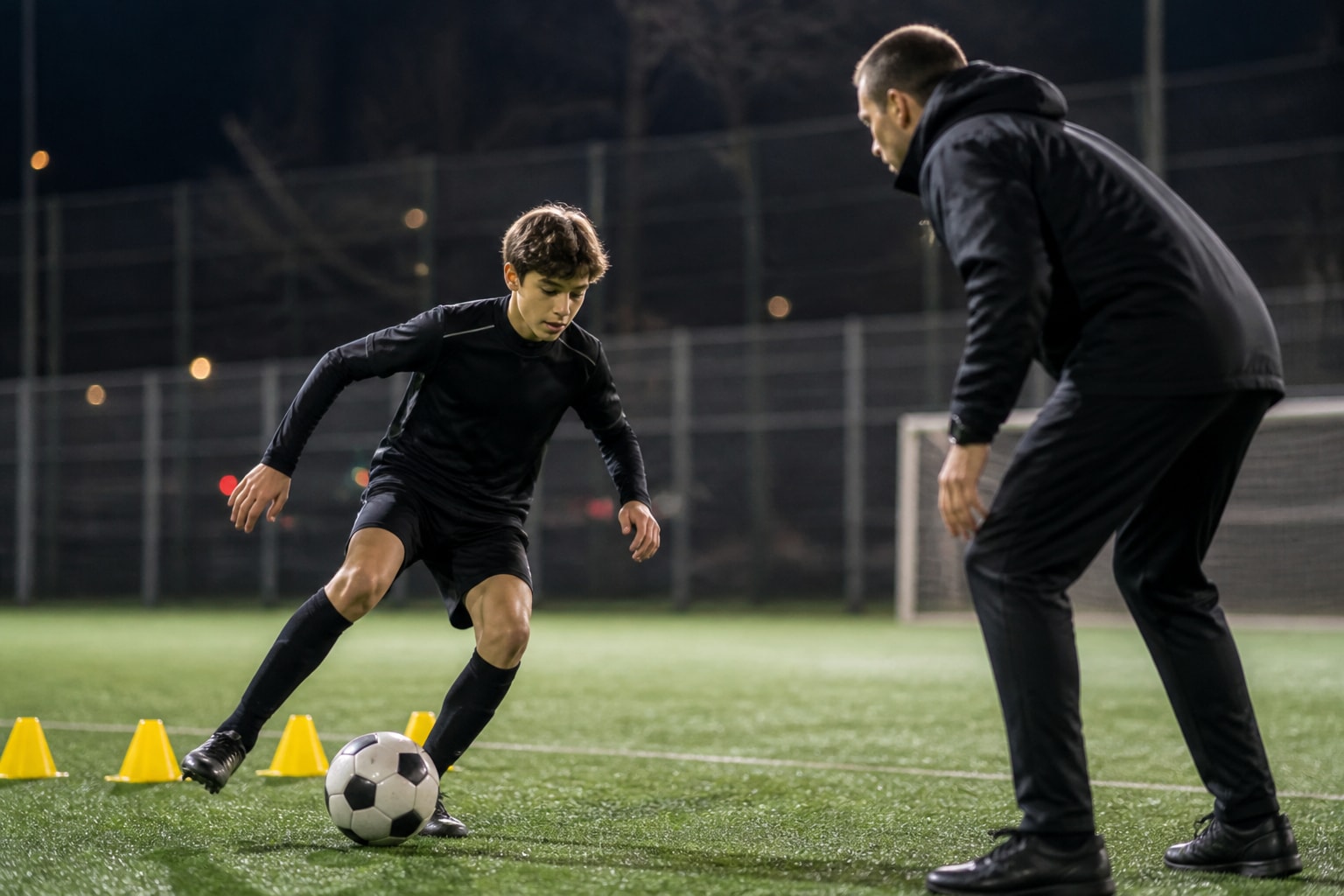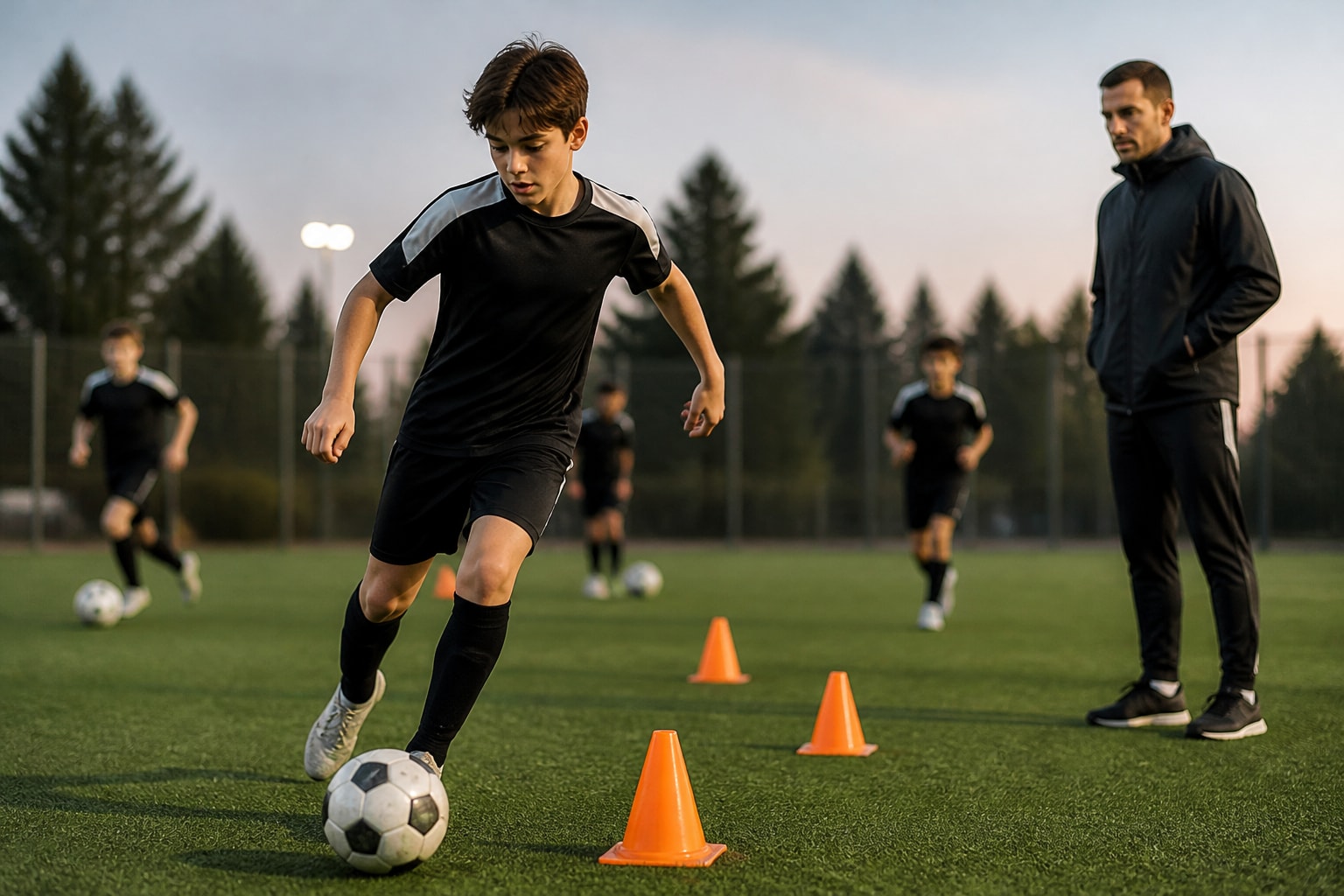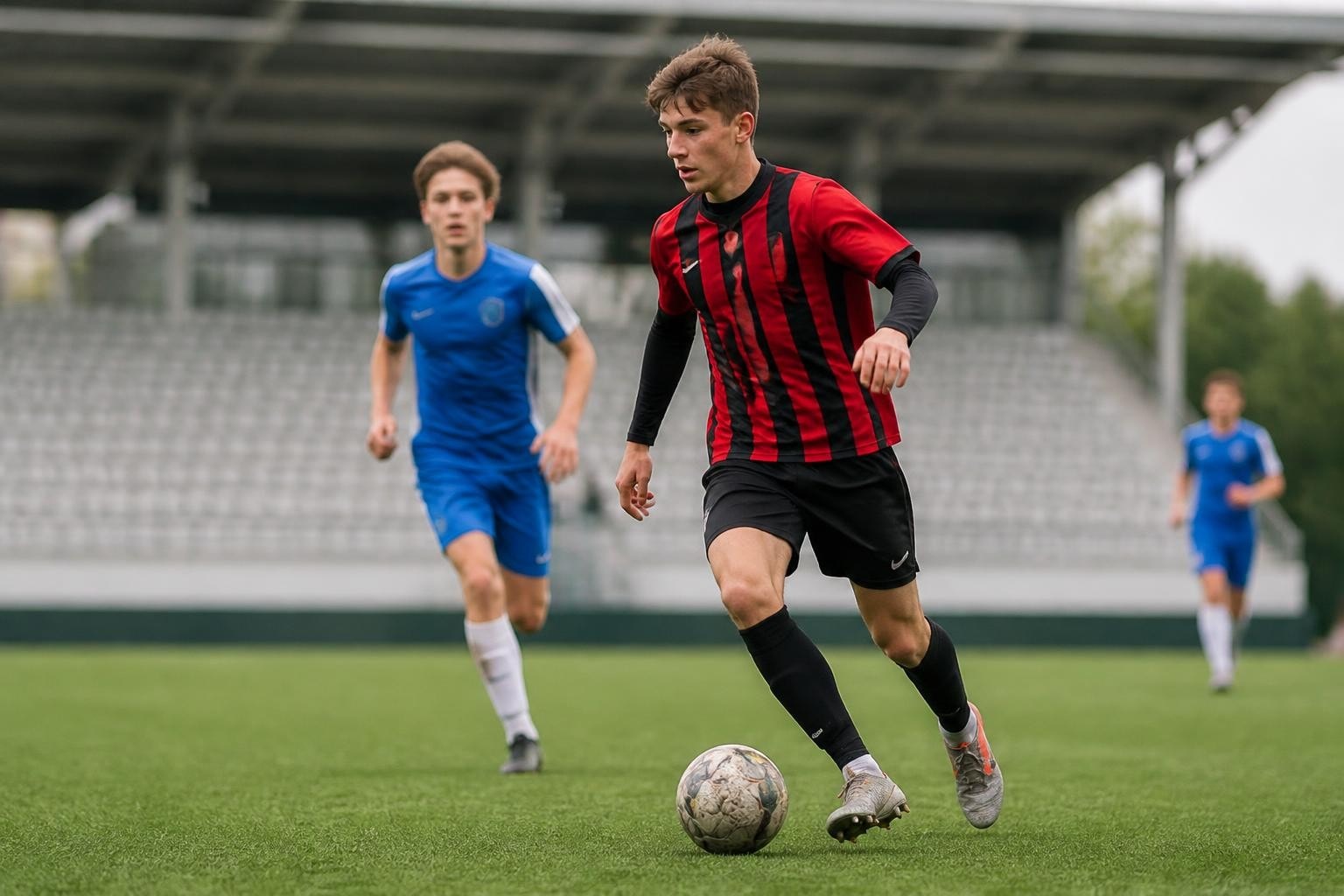
High performance soccer training in Surrey BC has evolved significantly over the past five years, transforming the Lower Mainland into a recognized hub for player development. Parents and athletes now have access to European-style training methodologies that prioritize holistic development over short-term results. This shift reflects a growing understanding that elite soccer players require more than just technical skills-they need tactical intelligence, physical conditioning, and mental resilience to compete at provincial, national, and international levels.
The Four Pillars of High Performance Development
Elite soccer development rests on four interconnected pillars that work together to create complete players. Each pillar requires dedicated attention and expert coaching to maximize an athlete's potential.
Technical Excellence as the Foundation
Technical proficiency forms the bedrock of high performance soccer training in Surrey BC. Players must master ball control, passing accuracy, receiving techniques, and shooting mechanics before progressing to more complex skills. This foundation includes first-touch quality, dribbling in tight spaces, and the ability to execute skills under defensive pressure.
Key technical components include:
- Ball mastery exercises that develop comfort with both feet
- Repetition-based drills that create muscle memory
- Progressive skill challenges that increase speed and precision
- Position-specific techniques tailored to individual roles

Modern training environments incorporate video analysis and performance tracking to measure technical improvement. Athletes receive detailed feedback on mechanics, enabling them to make micro-adjustments that compound into significant advantages over time. What makes our training different at Strive Surrey Soccer Academy demonstrates how European methodologies emphasize quality repetitions over volume.
Tactical Intelligence and Game Reading
Understanding when and where to apply technical skills separates good players from exceptional ones. Tactical training develops decision-making speed, spatial awareness, and the ability to recognize patterns during live play.
| Tactical Component | Youth Focus | Advanced Focus |
|---|---|---|
| Positioning | Basic shape awareness | Dynamic positional rotation |
| Transition Play | Counter-attack recognition | Immediate pressure application |
| Team Shape | Maintaining formation | Adapting to opponent systems |
| Set Pieces | Assigned roles | Creating tactical advantages |
High performance programs dedicate substantial time to small-sided games that accelerate tactical learning. These environments force players to make rapid decisions with limited time and space, mirroring the intensity of competitive matches. The Canadian Sport Institute Pacific provides sport science support that helps coaches optimize tactical training loads and recovery protocols.
Physical Conditioning for Peak Performance
Athletic development in soccer requires speed, agility, endurance, and strength-all calibrated to support technical execution rather than compromise it. High performance soccer training in Surrey BC now incorporates periodized conditioning programs that align with competitive seasons.
Physical training components include:
- Linear and multi-directional speed development
- Plyometric work for explosive power
- Core stability for balance and injury prevention
- Aerobic capacity for 90-minute performance
- Flexibility and mobility maintenance
Athletes accessing CSI Pacific services through Soccer BC receive physiological testing that identifies individual strengths and weaknesses. This data-driven approach ensures conditioning programs address specific needs rather than applying generic protocols.
Rest and recovery receive equal emphasis alongside training intensity. Proper periodization prevents overtraining while maximizing adaptation, allowing young athletes to sustain high performance across long seasons without burnout or injury.
Psychological Development and Mental Resilience
The psychological dimension of high performance soccer training in Surrey BC addresses confidence, focus, emotional regulation, and competitive mindset. Elite players consistently execute under pressure because they've developed mental skills alongside physical abilities.
Mental training includes visualization techniques, pre-performance routines, and strategies for managing adversity during matches. Players learn to maintain composure after mistakes, communicate effectively with teammates, and stay focused despite external distractions.
Psychological skills training covers:
- Goal-setting frameworks that create motivation
- Self-talk patterns that reinforce positive performance
- Stress management techniques for high-pressure situations
- Team communication skills that enhance collective performance
Young athletes benefit from age-appropriate mental skills instruction that evolves as they mature. Early-stage players focus on effort and improvement mindsets, while advanced athletes develop competition-specific mental preparation protocols.
Training Environment and Facility Considerations
Access to quality facilities significantly impacts training effectiveness. Surrey has seen substantial investment in soccer infrastructure, including the approved covered practice facility at Cloverdale Athletic Park, which will provide year-round training options starting in 2027.
Indoor facilities like the BMO Coastal Soccer Centre demonstrate how controlled environments enable consistent training regardless of weather conditions. High performance programs require predictable access to proper surfaces, lighting, and equipment to maintain training quality.
Surrey's proximity to additional resources enhances development opportunities. The Simon Fraser University soccer facilities provide elite-level training venues and expose athletes to university pathway possibilities.
Coaching Quality and Licensing Standards
Professional coaching separates recreational programs from true high performance soccer training in Surrey BC. Canada Soccer's licensing system ensures coaches possess both technical knowledge and pedagogical skills necessary for athlete development.
| License Level | Focus Area | Typical Role |
|---|---|---|
| Soccer for Life | Child development | Grassroots coaches |
| Youth License | Player development | Club youth programs |
| B License | Advanced tactics | Competitive teams |
| A License | Elite performance | High performance programs |
| National A License | Professional standards | Academy directors |
Licensed coaches understand long-term athlete development models and resist pressure to prioritize short-term results over sustainable growth. They structure sessions that challenge players appropriately while maintaining engagement and enjoyment.
Continuing education keeps coaches current with evolving methodologies. Access to resources through regional PacificSport networks provides ongoing professional development opportunities that enhance coaching quality across Surrey programs.
Pathway Integration and Competition Opportunities
High performance training must connect to meaningful competition that tests development and provides exposure to scouts and selectors. Surrey players benefit from proximity to Metro Vancouver's competitive landscape, including opportunities with programs like the Whitecaps FC training programs.
Effective pathways include:
- Provincial identification programs that recognize emerging talent
- Regional leagues providing consistent high-level competition
- Showcase tournaments exposing players to college and professional scouts
- International exchanges building cultural competence and tactical variety
The Soccer High Performance Training camps exemplify how intensive training blocks can accelerate skill development through focused, high-intensity sessions that replicate professional training environments. These 90-minute sessions target technical precision, physical conditioning, and tactical awareness simultaneously.
Athletes pursuing excellence need clear visibility into next steps. Understanding requirements for provincial team selection, college recruitment timelines, and professional academy trials helps families make informed decisions about training investments.
Balancing Development with Academic Priorities
High performance soccer training in Surrey BC must coexist with educational responsibilities. Successful programs recognize that most athletes will use soccer to access post-secondary education rather than pursue professional careers.
Effective time management becomes crucial as training intensity increases. Players training 8-12 hours weekly while maintaining academic standards develop discipline and organizational skills that serve them beyond soccer.
Parents should evaluate programs based on their approach to balance. Quality academies schedule training around school commitments, communicate with families about workload, and support athletes during exam periods.
The SFU year-round soccer programs demonstrate integration models where academic and athletic development receive equal emphasis, preparing players for collegiate soccer while maintaining educational progress.
Nutrition and Recovery Protocols
High performance athletes require nutrition strategies that support training loads and optimize recovery. Surrey programs increasingly incorporate education about meal timing, hydration, and macronutrient balance.
Basic nutritional guidelines for high performance players:
- Pre-training meals consumed 2-3 hours before sessions
- Hydration protocols beginning well before physical activity
- Post-training recovery nutrition within 30-60 minutes
- Daily protein intake supporting muscle repair and growth
- Carbohydrate timing matching training intensity
Sleep quality directly impacts performance, with adolescent athletes requiring 8-10 hours nightly. Recovery also includes active rest days, stretching routines, and strategies for managing muscle soreness.
Progressive programs teach athletes to monitor their own recovery status through subjective wellness questionnaires and objective markers like resting heart rate. This self-awareness prevents overtraining and helps athletes recognize when additional rest is necessary.
Financial Considerations and Value Assessment
High performance soccer training in Surrey BC represents a significant family investment. Annual costs typically range from $2,500 to $8,000 depending on program intensity, facility access, and competition travel.
| Program Component | Typical Annual Cost | Value Consideration |
|---|---|---|
| Training fees | $1,500 – $4,000 | Coach quality, session frequency |
| Competition costs | $800 – $2,500 | Tournament level, travel distance |
| Equipment | $300 – $600 | Quality requirements, replacement frequency |
| Additional training | $0 – $1,500 | Individual sessions, camps |
Families should evaluate cost against coaching credentials, training philosophy alignment, and pathway clarity. The least expensive option rarely provides the best value when development quality is considered.
Many programs offer financial assistance or payment plans that make high performance training accessible to families with financial constraints. Scholarships based on merit or need help ensure talented players aren't excluded due to economic barriers.
Injury Prevention and Long-Term Health
Sustainable high performance development prioritizes injury prevention through proper warm-ups, strength training, and workload management. Overuse injuries particularly affect young athletes who specialize early or train excessively without adequate recovery.
Prevention strategies include:
- Dynamic warm-up routines preparing muscles and joints for activity
- Strength training addressing muscular imbalances and joint stability
- Load monitoring preventing excessive training volume
- Multi-sport participation during developmental years reducing overuse risk
- Rest periods allowing physiological adaptation
Professional programs track training loads and communicate with families about managing external stressors. Athletes playing for multiple teams simultaneously face elevated injury risk that requires careful coordination.
When injuries occur, proper rehabilitation ensures full recovery before return to play. Rushing back from injury increases re-injury risk and can create long-term health consequences that end athletic careers prematurely.
Parent Involvement and Support Systems
Family support significantly impacts athlete success in high performance environments. Parents provide logistical support, emotional encouragement, and financial resources that enable participation.
Effective parent involvement includes:
- Maintaining realistic expectations about outcomes and timelines
- Supporting coaches' development plans without interference
- Prioritizing athlete wellbeing over results
- Celebrating effort and improvement alongside achievements
- Communicating concerns appropriately through established channels
Overinvolvement can create pressure that diminishes enjoyment and performance. The best youth soccer academy in Surrey BC establishes clear communication protocols that keep families informed while protecting training environments from disruptive interference.
Parents also model attitudes toward competition, failure, and success. Athletes whose parents demonstrate growth mindsets and emotional regulation develop similar characteristics that serve them throughout life.
Year-Round Programming and Periodization
High performance soccer training in Surrey BC continues year-round with intentional variation in training focus and intensity. Periodization structures prevent burnout while ensuring athletes peak for important competitions.
A typical annual cycle includes:
- Pre-season preparation (8-10 weeks) building fitness foundation
- Competitive season (20-24 weeks) emphasizing tactical preparation and game performance
- Post-season recovery (2-4 weeks) allowing physical and mental regeneration
- Off-season development (12-16 weeks) focusing on technical improvement and physical development
Winter months in Surrey require indoor facility access or covered outdoor spaces to maintain training quality. Programs with year-round facility access provide consistency that accelerates development compared to weather-dependent training.
Athletes participating in elite football training benefit from structured programs that integrate all four development pillars across the annual calendar, ensuring comprehensive growth rather than narrow skill focus.
Measuring Progress and Setting Benchmarks
Objective assessment helps athletes and families understand development trajectory. High performance programs implement evaluation systems that track technical, tactical, physical, and psychological growth.
Assessment methods include:
- Video analysis comparing performance across time periods
- Physical testing measuring speed, agility, and endurance improvements
- Tactical evaluations assessing decision-making quality
- Technical skill tests quantifying execution accuracy
- Psychological inventories tracking mental skill development
Regular feedback sessions help athletes understand strengths and improvement areas. Goal-setting based on assessment data creates motivation and direction for training focus.
Comparison should emphasize individual progress rather than peer rankings during developmental years. Each athlete develops at their own pace, and early maturation doesn't predict long-term potential.
High performance soccer training in Surrey BC offers ambitious young athletes access to world-class development methodologies that prepare them for competitive success at all levels. By focusing on technical excellence, tactical intelligence, physical conditioning, and psychological resilience, comprehensive programs create well-rounded players capable of thriving in demanding environments. Parents seeking a proven pathway that balances skill development with character building will find that Strive Soccer Academy delivers the European-style training philosophy and licensed coaching expertise necessary for sustainable athletic growth. Our commitment to the four pillars of player development ensures every athlete receives the foundation they need to reach their full potential.