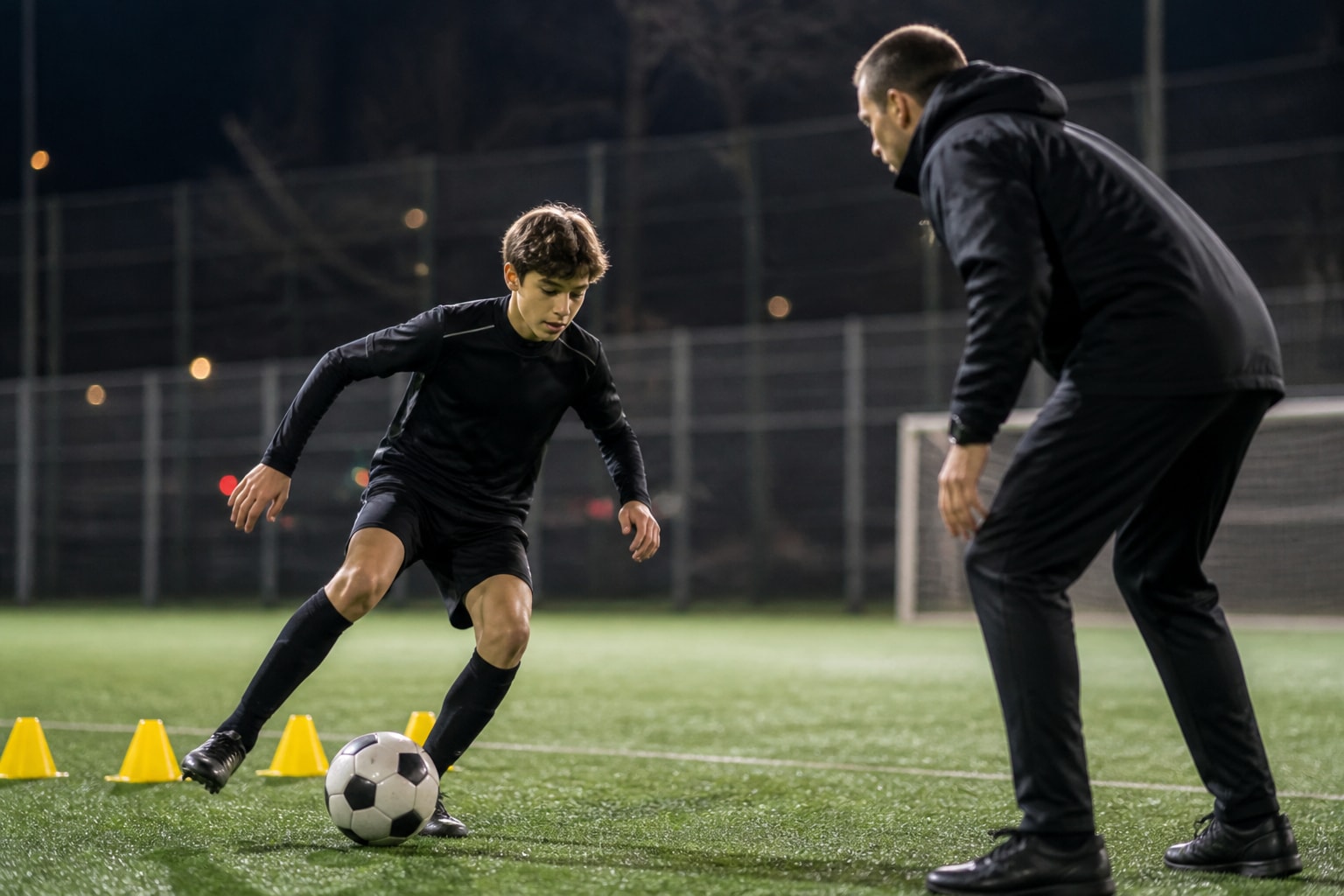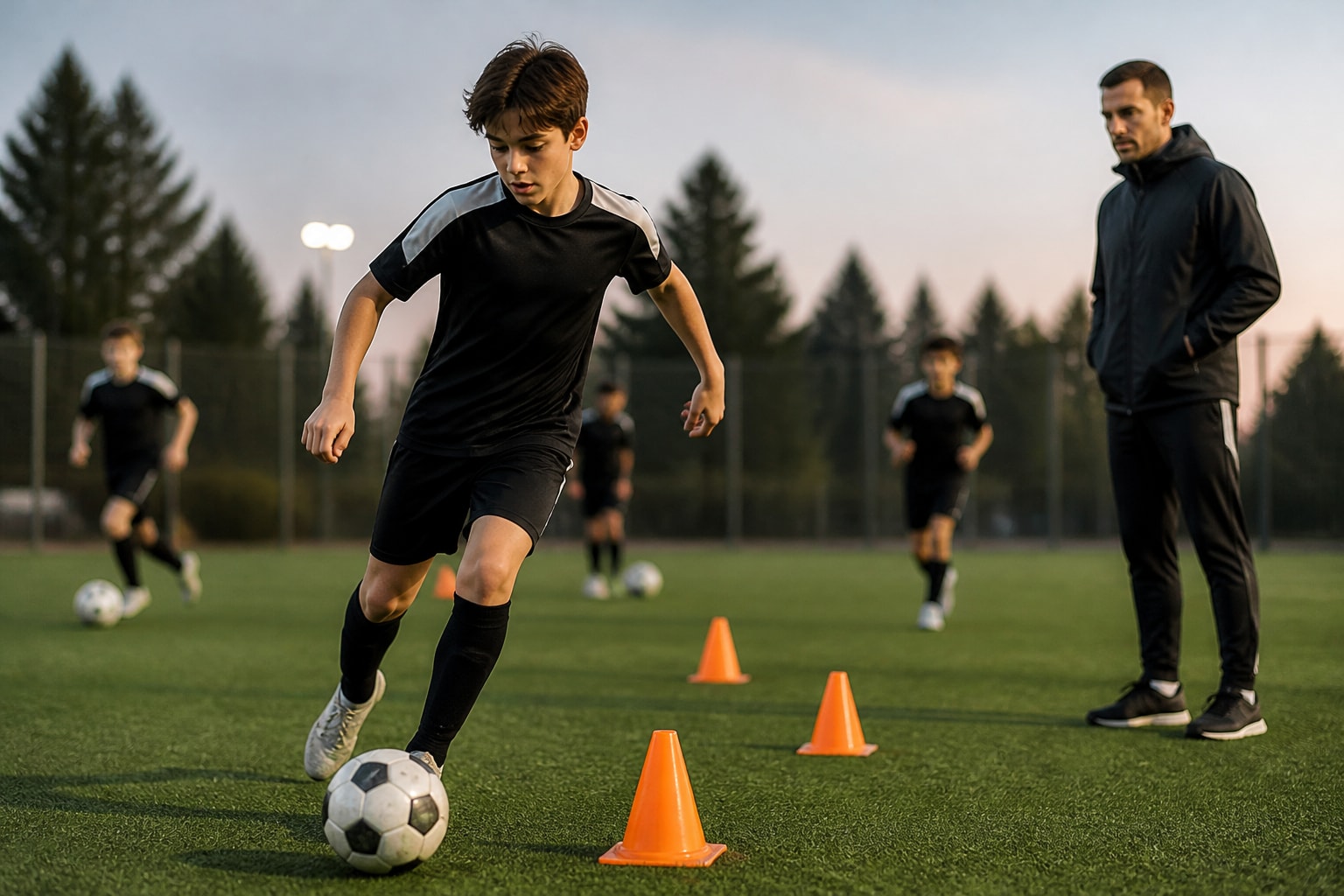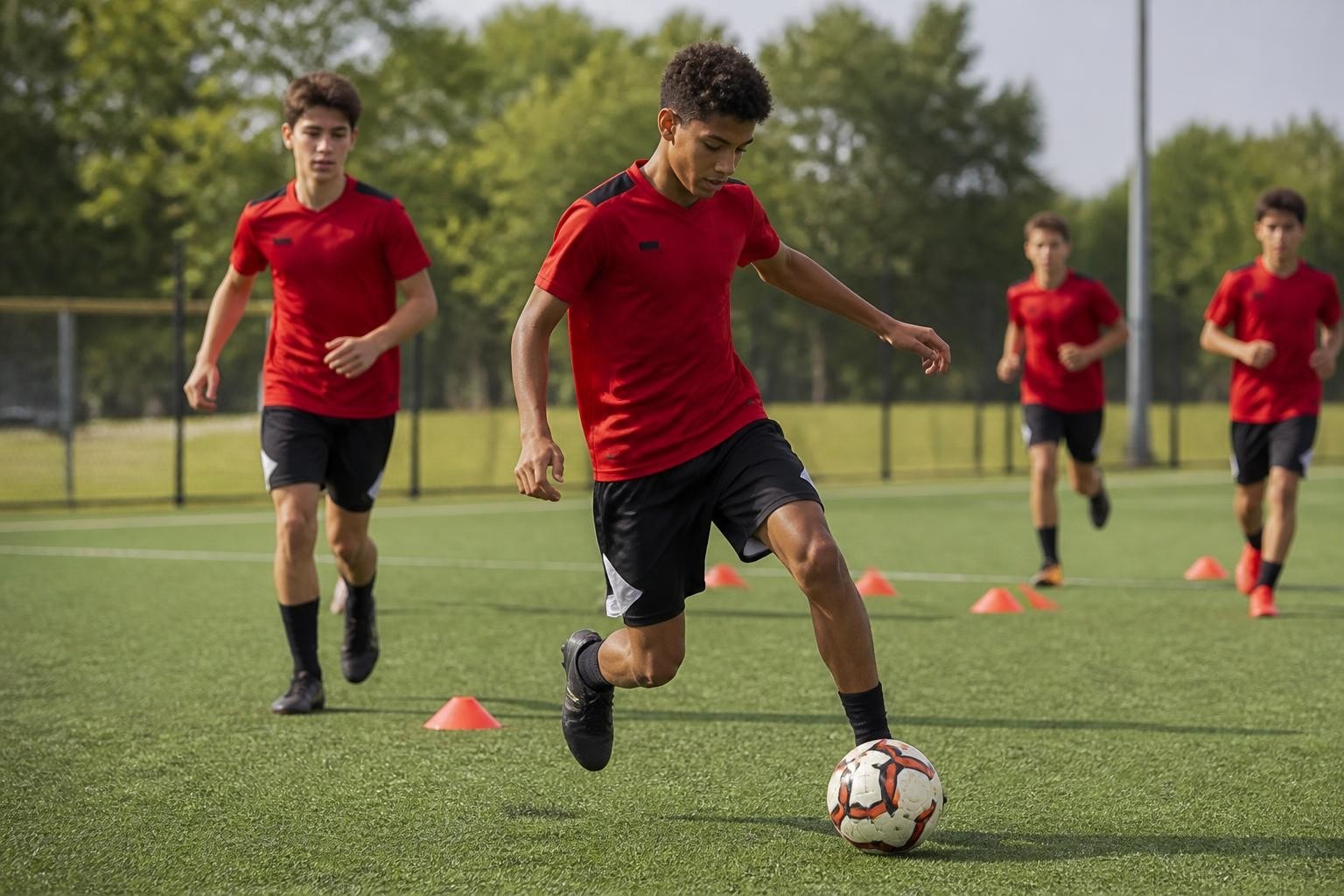
Youth soccer in Surrey, British Columbia, has evolved dramatically over the past decade. What was once a recreational pastime has transformed into a sophisticated development pathway that mirrors the best international academies. Parents seeking elite soccer training in Surrey BC now have access to programs that blend European methodology with Canadian coaching standards, creating opportunities for young players to reach their full potential. This comprehensive approach focuses not just on ball skills, but on building complete athletes who understand the game at every level.
The Four Pillars of Elite Player Development
Elite soccer training in Surrey BC is built on a foundation that goes far beyond simply teaching young players to kick a ball. The modern development model incorporates four distinct but interconnected pillars that work together to create well-rounded athletes.
Technical Mastery Through Repetition
Technical development forms the cornerstone of any elite program. This pillar focuses on ball mastery, first touch, passing accuracy, shooting technique, and dribbling under pressure. The European approach emphasizes thousands of deliberate touches in every training session, ensuring players develop muscle memory that translates to match situations.
Key technical components include:
- Ball control with both feet in tight spaces
- Progressive passing patterns under defensive pressure
- Finishing from multiple angles and distances
- 1v1 attacking and defending techniques
- Aerial ability and heading fundamentals
Training sessions designed around technical excellence typically dedicate 40-50% of contact time to these foundational skills, creating players who are comfortable in possession regardless of match pressure.

Tactical Intelligence and Game Understanding
While technical ability opens doors, tactical knowledge keeps them open. This pillar teaches players to read the game, understand positional responsibilities, and make intelligent decisions under pressure. Elite programs use small-sided games, video analysis, and position-specific training to accelerate tactical growth.
The Long-Term Development framework emphasizes age-appropriate tactical complexity, ensuring young players aren't overwhelmed with concepts beyond their developmental stage. For players aged 10-12, this might mean understanding basic formations and spacing. By 14-16, athletes should grasp pressing triggers, defensive shape, and build-up patterns.
| Age Group | Tactical Focus | Training Method |
|---|---|---|
| U10-U12 | Spatial awareness, basic positioning | Small-sided games, visual cues |
| U13-U15 | Formation understanding, transition moments | Positional play, phase-of-play training |
| U16+ | System flexibility, advanced pressing schemes | Full-field scenarios, video analysis |
Physical Conditioning and Athletic Development
The physical pillar addresses speed, strength, agility, and endurance specific to soccer demands. Elite soccer training in Surrey BC incorporates evidence-based athletic development that respects biological maturation and growth patterns. Programs aligned with Canada Soccer coach education standards ensure coaches understand when to emphasize different physical qualities.
Pre-adolescent players benefit most from coordination and movement literacy exercises. Post-growth-spurt athletes can handle more intense strength and power development. Every elite program should include injury prevention protocols, particularly addressing anterior cruciate ligament (ACL) injuries common in youth soccer.
Speed work encompasses acceleration mechanics, change of direction ability, and soccer-specific agility. Endurance training must balance aerobic capacity with the anaerobic demands of high-intensity match play. These components work together to create athletes capable of executing technical and tactical skills at match speed throughout 90 minutes.
Psychological Resilience and Mental Strength
The fourth pillar often separates good players from great ones. Mental training addresses confidence, focus, resilience, communication, and competitive mindset. Elite soccer training in Surrey BC increasingly incorporates sports psychology principles that help young athletes handle pressure, overcome setbacks, and maintain motivation through development plateaus.
Mental skills training includes:
- Pre-match visualization and routine development
- In-game focus techniques and concentration triggers
- Post-match reflection and constructive self-evaluation
- Goal-setting frameworks for short and long-term progress
- Team communication and leadership development
Players who develop strong psychological foundations demonstrate better decision-making under pressure, recover faster from mistakes, and show greater persistence when facing adversity. These qualities prove invaluable not just in soccer, but in academic and professional pursuits later in life.
The European Training Philosophy in a Canadian Context
European soccer academies have set the global standard for player development over the past three decades. Elite soccer training in Surrey BC has begun adopting these methodologies while adapting them to the Canadian sport landscape and cultural context.
The European approach emphasizes technical perfection from the earliest ages, with young players spending significantly more time with the ball than their North American counterparts traditionally have. Training sessions prioritize quality over quantity, with deliberate practice taking precedence over unstructured play.
Session Structure and Periodization
European-style sessions typically follow a carefully planned structure: dynamic warm-up, technical activation, main training block, and integrated small-sided game. Each component builds toward the session objective, whether that's improving combination play, defensive transitions, or attacking third penetration.
Periodization ensures training intensity and volume fluctuate appropriately throughout the season. During competitive phases, technical maintenance and tactical sharpness take priority. Off-season periods allow for physical development and new skill acquisition without match fatigue complicating recovery.
Age-Appropriate Development Pathways
The best European academies recognize that player development isn't linear. They structure programs around biological rather than chronological age, acknowledging that an early-maturing 13-year-old has different needs than a late-maturing peer. This individualized approach prevents burn-out and creates sustainable long-term progression.
Programs offering elite football training understand these developmental windows and structure training accordingly. Technical skills develop optimally during the "golden age of learning" between 9-12 years. Speed and agility improve dramatically during adolescent growth phases. Tactical complexity should increase progressively as cognitive abilities mature.
Licensed Coaching: The Foundation of Quality Training
Perhaps no single factor impacts training quality more than coach expertise. Elite soccer training in Surrey BC distinguishes itself through fully licensed instructors who understand not just the game, but how to teach it effectively to developing athletes.
The Canada Soccer coaching pathway establishes clear standards from grassroots Community Coach certifications through National Youth and National A licenses. This structured approach ensures coaches possess both theoretical knowledge and practical application skills appropriate to their level.
What Licensing Means for Player Development
Licensed coaches bring systematic progression to training. They understand how to break down complex skills into teachable components, provide effective feedback that accelerates learning, and create safe training environments that minimize injury risk while maximizing engagement.
A National A licensed coach has completed hundreds of hours of education covering technical development, tactical periodization, sports science, injury prevention, and athlete psychology. This expertise translates directly to more effective training sessions and faster player improvement.
Benefits of licensed coaching include:
- Evidence-based training methods backed by current research
- Age-appropriate skill progression aligned with developmental science
- Enhanced safety protocols including concussion recognition
- Better communication with players and parents about progress
- Tactical knowledge that prepares players for higher competition levels
Safety, Injury Prevention, and Long-Term Health
Elite training environments must balance development intensity with athlete wellbeing. Proper programming protects young players from overuse injuries, burnout, and the long-term health consequences of inadequate recovery or poor training design.
Concussion Protocols and Head Injury Management
Soccer's heading element creates unique concussion risk that elite programs must address proactively. The Canadian Guideline on Concussion in Sport provides evidence-based protocols for recognition, removal from play, and graduated return-to-sport progressions.
Quality programs educate coaches, players, and parents about concussion signs and symptoms. They implement strict return-to-play protocols that prioritize long-term brain health over short-term competitive advantage. This includes baseline testing, medical clearance requirements, and monitored progression through increasing activity levels.
The Government of Canada concussion resources complement provincial guidelines, ensuring elite programs operate within current best practices for head injury management.
Overuse Injury Prevention Strategies
Youth soccer players face particular risk from repetitive stress injuries as training volume increases. Elite programs implement load monitoring systems that track training and match minutes, ensuring adequate recovery between high-intensity efforts.
| Injury Type | Primary Risk Factors | Prevention Strategies |
|---|---|---|
| ACL tears | Neuromuscular control, landing mechanics | Structured warm-ups, strength training, jump technique |
| Growth plate stress | Rapid growth, training volume spikes | Load monitoring, flexibility work, adequate rest |
| Muscle strains | Fatigue, insufficient warm-up, strength imbalances | Progressive conditioning, proper warm-up protocols, strength assessment |
| Overuse tendinopathies | Repetitive loading, inadequate recovery | Periodized training, cross-training variety, recovery emphasis |
Programs should incorporate FIFA 11+ warm-up protocols, which research demonstrates reduce injury rates by up to 30% when implemented consistently. These evidence-based routines address the most common injury mechanisms in youth soccer through targeted neuromuscular exercises.
High-Performance Training Environments and Resources
Elite soccer training in Surrey BC benefits from both local facilities and broader provincial high-performance resources. The infrastructure supporting player development has expanded significantly, creating opportunities that didn't exist a decade ago.
Local Training Facilities and Investment
Surrey has invested substantially in sport infrastructure, recognizing soccer's growth and importance to the community. The City of Surrey Sport Tourism Grant Program demonstrates municipal commitment to elevating sport quality and attracting high-level competitions that expose local players to elite competition.
Modern training facilities feature full-size grass and artificial turf fields, proper lighting for year-round evening training, and dedicated technical development spaces for small-sided work. These resources allow elite programs to train consistently regardless of British Columbia's weather challenges.
Provincial High-Performance Support Systems
Beyond local resources, BC athletes can access provincial-level support through organizations like the Canadian Sport Institute Pacific. While primarily serving Olympic pathway athletes, CSI Pacific's sports science, nutrition counseling, and performance testing capabilities represent the support structures available as players progress through development stages.
Elite soccer training in Surrey BC increasingly incorporates sports science principles pioneered in these high-performance environments. GPS tracking provides objective load data, helping coaches optimize training volume. Video analysis platforms allow tactical review and individual feedback. Nutrition guidance ensures proper fueling for training demands and recovery.
Creating Genuine Development Opportunities
The ultimate goal of elite training extends beyond improved skills to creating real opportunities for young athletes. Quality programs open doors to representative teams, provincial programs, scholarship opportunities, and potential professional pathways.
Competitive Exposure and Tournament Play
Elite development requires appropriate competition that challenges players without overwhelming them. Programs should participate in showcase events that attract college scouts, provincial identification staff, and representatives from higher-level academies. These platforms allow players to test themselves against peer-level competition and gain visibility within the soccer community.
Tournaments also provide invaluable learning experiences. High-pressure matches reveal technical or tactical gaps that training can address. Multi-game weekend formats teach physical management and mental resilience. International competition exposes players to different playing styles and tactical approaches.
For families seeking comprehensive development, programs that offer Soccer High Performance Training through intensive camp formats provide concentrated skill development periods that complement regular academy training throughout the year.
Educational Balance and Holistic Development
True elite programs recognize that soccer exists within broader life context. They support academic achievement, encourage multi-sport participation during appropriate developmental windows, and help families navigate the balance between athletic ambition and childhood enjoyment.
Characteristics of holistically-focused programs include:
- Training schedules that accommodate academic demands
- Off-season periods allowing mental and physical recovery
- Communication emphasizing character development alongside skill improvement
- Reasonable financial investment that doesn't create family hardship
- Realistic expectations about professional pathway probabilities
This balanced approach creates better long-term outcomes. Players develop time management skills, maintain academic opportunities, and build resilience through managing competing demands. These qualities prove valuable whether an athlete reaches professional soccer or pursues other career paths.
Evaluating Elite Programs: What Parents Should Consider
Choosing elite soccer training in Surrey BC requires careful evaluation beyond marketing promises. Parents should assess programs against specific criteria that indicate genuine quality and appropriate development focus.
Coach Qualifications and Staff Stability
Begin by verifying coach credentials through Canada Soccer's database. Ask about continuing education commitments and how the program keeps coaches current with evolving best practices. Staff turnover significantly disrupts player development, so established programs with long-tenured coaches often deliver better results than newer operations constantly recruiting instructors.
Training Philosophy and Communication
Request detailed information about the program's development philosophy. Quality organizations articulate clear technical, tactical, physical, and psychological objectives for each age group. They provide regular progress assessments and maintain open communication channels with families about player development.
Parents should understand the training curriculum, session frequency expectations, and how the program balances development focus with competitive success. Be wary of programs promising unrealistic outcomes or emphasizing winning over age-appropriate skill building.
Player-to-Coach Ratios and Individual Attention
Effective skill development requires adequate individual attention. Sessions with 20+ players per coach limit the specific feedback each athlete receives. Elite programs maintain ratios of 12:1 or better, allowing coaches to provide meaningful individual correction and encouragement.
| Program Quality Indicator | Elite Standard | Red Flag |
|---|---|---|
| Player-to-coach ratio | 12:1 or better | 18:1 or higher |
| Annual coach education hours | 20+ per year | No continuing education |
| Parent communication frequency | Monthly minimum | Only when problems arise |
| Development plan specificity | Individualized with measurable objectives | Generic age-group goals |
| Financial transparency | Clear fee structure, scholarship availability | Hidden costs, pressure tactics |
Track Record and Alumni Success
While past results don't guarantee future outcomes, a program's history provides insight into its effectiveness. Research where alumni have progressed: representative teams, provincial programs, college rosters, or professional contracts. Be cautious with new programs lacking established track records, though recognize that innovative approaches from experienced coaches can produce excellent results even without lengthy histories.
The Role of Small-Sided Games in Elite Development
Modern coaching science increasingly recognizes small-sided games as perhaps the most effective training tool for accelerating player development. These modified formats create more touches, more decisions, and more game-realistic situations than traditional drills or full-field play.
Benefits of Reduced Format Play
Small-sided games (3v3, 4v4, 5v5) exponentially increase individual player involvement. Research demonstrates that players receive 4-6 times more ball contacts in 5v5 formats compared to 11v11 games. This increased repetition accelerates technical improvement while simultaneously developing tactical understanding within game context.
The constrained space of small-sided formats forces faster decision-making and better scanning habits. Players must recognize passing options, defensive pressure, and space availability more quickly than in full-field situations. These cognitive demands develop game intelligence that transfers directly to 11v11 performance.
Structured Constraints and Learning Objectives
Elite coaches manipulate small-sided game rules to emphasize specific learning objectives. Requiring two-touch maximum promotes quick combination play. Awarding bonus points for switches of play encourages width utilization. Restricting certain zones creates realistic tactical scenarios while simplifying decision-making complexity.
This constraint-led approach allows coaches to guide learning without excessive stoppages or verbal instruction. Players discover solutions through guided exploration rather than prescribed patterns, developing the creativity and problem-solving abilities that distinguish elite performers.
Elite soccer training in Surrey BC has reached a level of sophistication that creates genuine opportunities for committed young athletes. By emphasizing technical mastery, tactical intelligence, physical development, and psychological resilience through licensed coaching and evidence-based methodologies, quality programs prepare players for whatever level they're capable of achieving. At Strive Soccer Academy, we bring this complete development approach to life through European-style training delivered by fully licensed Canada Soccer coaches. Our focus on technical, tactical, physical, and psychological growth ensures your young athlete develops not just as a soccer player, but as a confident, resilient individual prepared for success on and off the field.