
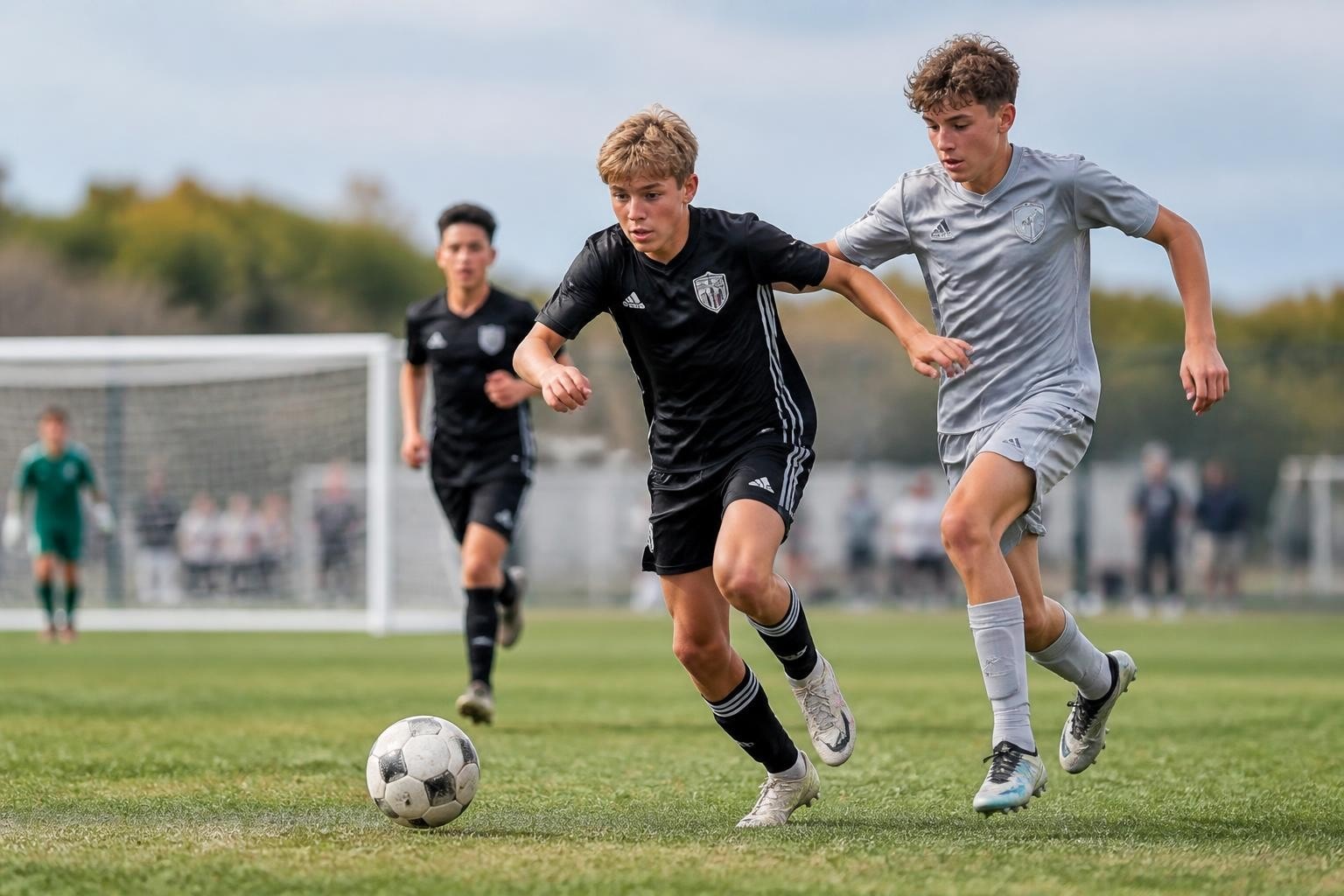
Travel soccer represents a significant step in a young athlete's development, moving beyond recreational leagues into competitive play that demands greater commitment, skill, and dedication. For parents considering this pathway, understanding what travel soccer entails-from financial investment to time commitments and developmental benefits-helps make informed decisions that align with their child's goals and family circumstances. This comprehensive guide explores the landscape of competitive youth soccer in 2026, providing clarity on what families can expect when entering the travel soccer environment.
Understanding Travel Soccer and Competitive Play
Travel soccer distinguishes itself from recreational leagues through its competitive intensity, structured training methodology, and regional competition schedule. Teams compete against clubs from different cities and regions, often traveling significant distances for tournaments and league matches. Unlike house leagues that typically draw players from a single community, travel teams recruit the most skilled athletes from broader geographic areas to form elite squads.
The competitive framework involves several key elements:
- Season-long league play against regional opponents
- Weekend tournament participation throughout the year
- Tryout-based team selection emphasizing skill level
- Professional coaching with advanced licensing credentials
- Higher frequency training schedules (typically 3-4 sessions weekly)
Parents should recognize that travel soccer creates a year-round commitment. Most programs operate on seasonal schedules with fall and spring seasons, supplemented by winter training and summer tournaments. This continuous cycle differs substantially from recreational programs that may run single seasons with extended breaks.

Financial Investment and Budget Planning
The cost structure of travel soccer represents one of the most significant considerations for families. Registration fees for competitive teams typically range from $1,500 to $4,000 annually, depending on the club's level and geographic location. These baseline costs cover coaching salaries, field rentals, league registration, and administrative expenses.
Additional expenses accumulate throughout the season:
- Uniforms, training gear, and equipment ($300-$600)
- Tournament entry fees and travel costs ($1,000-$3,000)
- Hotel accommodations for overnight tournaments
- Team fundraising contributions and mandatory volunteering
- Private training or position-specific coaching
| Expense Category | Estimated Annual Cost | Frequency |
|---|---|---|
| Club Registration | $1,500 – $4,000 | Annual |
| Tournament Travel | $1,000 – $3,000 | Per season |
| Uniforms & Gear | $300 – $600 | Annual |
| Private Training | $500 – $2,000 | Optional |
Financial planning becomes essential. Many families underestimate the cumulative impact of weekend travel, particularly when tournaments occur in distant cities requiring flights and multiple hotel nights. Creating a realistic annual budget helps prevent financial strain mid-season.
Player Development and Competitive Benefits
The developmental advantages of travel soccer extend beyond technical skill acquisition. Competitive environments accelerate growth across multiple domains, particularly when programs follow structured player development frameworks. Young athletes experience enhanced tactical understanding, improved decision-making under pressure, and refined technical execution through consistent high-level competition.
Psychological development represents another critical benefit. Travel soccer challenges players to manage performance anxiety, handle constructive criticism, and develop resilience through competitive setbacks. These experiences build mental toughness that translates beyond the field into academic and personal contexts.
Technical and Tactical Progression
Competitive programs emphasize systematic skill development through periodized training cycles. Coaches implement age-appropriate progressions that build technical foundations while introducing tactical concepts aligned with player maturity levels. Small-sided games feature prominently in modern training methodologies, maximizing player touches and decision-making opportunities.
The physical demands escalate significantly compared to recreational play. Athletes develop improved endurance, speed, agility, and strength through structured conditioning programs. This physical development occurs alongside technical training, creating well-rounded players capable of executing skills under fatigue and defensive pressure.
Programs like Soccer High Performance Training provide intensive environments where players sharpen technical abilities, improve game awareness, and increase their speed of play through 90-minute high-intensity sessions focused on ball mastery, tactical understanding, and competitive composure.
Team Selection Process and Tryout Preparation
Tryouts for travel soccer teams typically occur in late spring or early summer, establishing rosters for the upcoming competitive year. The evaluation process examines technical proficiency, tactical awareness, physical attributes, and psychological characteristics. Coaches assess ball control, passing accuracy, positional understanding, work rate, and coachability during multiple tryout sessions.
Preparation strategies that improve tryout performance:
- Maintain consistent training throughout the off-season
- Focus on fundamental technical skills (first touch, passing, receiving)
- Improve physical fitness through cardiovascular and strength training
- Study tactical concepts appropriate to the player's age group
- Develop mental preparation techniques to manage tryout anxiety
Understanding positional requirements proves valuable. Coaches seek specific attributes for different positions-technical precision and composure for midfielders, speed and crossing ability for wingers, aerial dominance for center backs. Players demonstrating versatility across multiple positions often increase their selection probability.
Age Group Considerations and Long-Term Development
Different age groups encounter distinct developmental priorities within travel soccer structures. Younger players (U8-U10) focus heavily on technical foundation building, with competitive results taking secondary importance to skill acquisition. As athletes progress through U12-U14 age groups, tactical sophistication increases while maintaining technical emphasis.
The U15-U19 pathway becomes increasingly specialized. Players targeting collegiate or professional opportunities require exposure to showcase tournaments, relationships with college coaches, and potentially pathway programs linked to professional organizations. Understanding these developmental stages helps families align their travel soccer participation with long-term athletic goals.
Time Commitment and Family Lifestyle Impact
Travel soccer fundamentally reshapes family schedules and lifestyle patterns. Weekend tournaments often require Friday departures and Sunday returns, consuming entire weekends throughout competitive seasons. Midweek training sessions (typically 3-4 per week) run 90-120 minutes, occurring during evening hours after school.
This commitment level affects the entire family unit. Siblings attend countless soccer events, family vacations align with tournament schedules, and household routines revolve around training times. Parents contemplating travel soccer should honestly assess their family's capacity for this lifestyle adjustment before committing.
Balancing Academic Responsibilities
Academic performance requires careful management alongside travel soccer demands. Student-athletes navigate homework completion during tournament travel, manage test preparation around training schedules, and occasionally miss school for distant competitions. Establishing strong organizational systems and communication protocols with teachers becomes essential for academic success.
Families should establish clear academic standards as prerequisites for continued participation. Many successful travel soccer families implement grade requirements, homework-completion rules, and study-time protocols that ensure soccer enhances rather than detracts from educational achievement. For those interested in exploring how young athletes can balance soccer commitments effectively, structured approaches prove invaluable.
Club Selection and Program Evaluation
Selecting the appropriate travel soccer club requires thorough research and evaluation. Not all programs offer equivalent value, coaching quality, or developmental philosophies. Parents should investigate multiple factors before committing to a specific organization.
| Evaluation Criteria | Questions to Ask | Why It Matters |
|---|---|---|
| Coaching Credentials | Are coaches licensed? What level? | Determines coaching quality and methodology |
| Playing Philosophy | What's the development approach? | Affects long-term player growth |
| Player Pathway | What opportunities exist for advancement? | Impacts future competitive options |
| Safety Policies | What safeguards protect players? | Ensures child welfare and proper supervision |
| Alumni Success | Where have former players competed? | Indicates program effectiveness |
Coaching credentials deserve particular attention. Programs employing coaches with advanced certifications through Canada Soccer or US Soccer demonstrate commitment to professional development and evidence-based training methodologies. Understanding safe soccer policies established by governing bodies helps parents evaluate whether clubs implement appropriate safeguarding measures.
Communication and Organizational Culture
The club's communication practices and organizational culture significantly impact the family experience. Effective programs maintain transparent communication regarding schedules, expectations, financial obligations, and player development progress. Regular coach-player-parent meetings facilitate alignment on development goals and address concerns proactively.
Red flags include frequent coaching turnover, unclear financial policies, poor communication responsiveness, or win-at-all-costs mentalities that prioritize results over age-appropriate development. Youth soccer organizations with established track records, professional administrative structures, and positive community reputations typically provide superior experiences.
Tournament Travel and Competition Experience
Tournament participation forms the cornerstone of travel soccer experience, exposing players to diverse competition styles and elevated performance pressure. Major tournaments attract teams regionally or nationally, creating bracketed competition that tests players against unfamiliar opponents in condensed timeframes.
Typical tournament formats include:
- Round-robin group stages followed by knockout brackets
- Multiple matches over 2-3 days (often 3-4 games per tournament)
- Age-group divisions with competitive tier classifications
- Showcase events attended by college coaches and scouts
- Championship finals determining tournament winners
Tournament travel requires substantial logistical coordination. Families arrange transportation, book hotels near tournament venues, coordinate meal planning around match schedules, and manage recovery between games. The condensed match schedule demands careful attention to hydration, nutrition, rest, and injury management.
Understanding international travel requirements becomes necessary when teams compete across borders, with specific sanctioning procedures, documentation requirements, and organizational responsibilities that clubs must fulfill for approved international competition.
Showcase Tournaments and College Exposure
Showcase tournaments serve dual purposes for older age groups. Beyond competitive experience, these events provide exposure to college coaches actively recruiting prospective student-athletes. Events like the showcase tours competitive teams undertake create valuable visibility with collegiate programs.
Players targeting college soccer should strategically select showcase tournaments aligned with their academic and athletic profiles. Understanding which coaches attend specific events, researching schools' recruiting calendars, and proactively communicating with coaching staffs maximize recruitment opportunities. Documentation of performance through highlight videos and statistical tracking supports the recruitment process.
Safety, Supervision, and Safeguarding Standards
Player safety encompasses physical injury prevention, psychological well-being, and protection from abuse or misconduct. Reputable travel soccer programs implement comprehensive safeguarding policies aligned with governing body standards. The U.S. Center for SafeSport requirements establish mandatory background checks, supervision protocols, and misconduct prevention policies for adults traveling with youth teams.
Parents should verify that clubs conduct thorough background screening for all coaches and staff members. Appropriate supervision ratios during training and travel, clear communication protocols for reporting concerns, and established response procedures for alleged misconduct indicate organizational commitment to player welfare.
Physical safety protocols address injury prevention through proper warm-up routines, age-appropriate training loads, heat illness prevention, concussion management procedures, and access to qualified medical personnel during competitions. Understanding how programs implement these safeguards helps parents assess organizational professionalism.
Making the Decision: Is Travel Soccer Right for Your Family?
The decision to pursue travel soccer requires honest family assessment across multiple dimensions. Financial capacity, time availability, player motivation, and long-term goals all factor into this determination. Not every talented young player benefits from competitive travel soccer, particularly when family circumstances or player preferences align better with alternative pathways.
Consider your child's intrinsic motivation for soccer. Players genuinely passionate about the sport typically thrive in competitive environments, while those participating primarily to satisfy parental expectations often experience burnout or declining enjoyment. Regular check-ins about their soccer experience, stress levels, and continued enthusiasm provide valuable decision-making data.
Alternative pathways exist for players seeking high-level development without full travel soccer commitment. Select programs offering elite training environments without extensive travel requirements, hybrid models combining recreational play with supplemental technical training, or development academies focused exclusively on skill building rather than competitive results.
Key questions for family decision-making:
- Does our family budget accommodate travel soccer costs without financial stress?
- Can we commit to the time demands without compromising other important family priorities?
- Does our child demonstrate genuine passion and self-motivation for competitive soccer?
- Are we prepared for the emotional ups and downs inherent in competitive sports?
- What are our child's long-term goals, and does travel soccer align with those objectives?
Families answering affirmatively to these questions while understanding the comprehensive commitment typically find travel soccer rewarding. Those with reservations might explore modified approaches or alternative pathways that better suit their circumstances.
Travel soccer offers extraordinary developmental opportunities for young athletes when families enter the competitive environment with realistic expectations and proper preparation. Understanding the financial investment, time commitment, competitive structure, and developmental benefits enables informed decision-making aligned with your child's goals and family capacity. At Strive Soccer Academy, we've brought a European-style training philosophy to Surrey, BC, focusing on Technical, Tactical, Physical, and Psychological development through fully licensed Canada Soccer coaches. Our structured approach helps families navigate the competitive soccer landscape while building skilled, confident, and well-rounded young athletes prepared for whatever level they choose to pursue.


