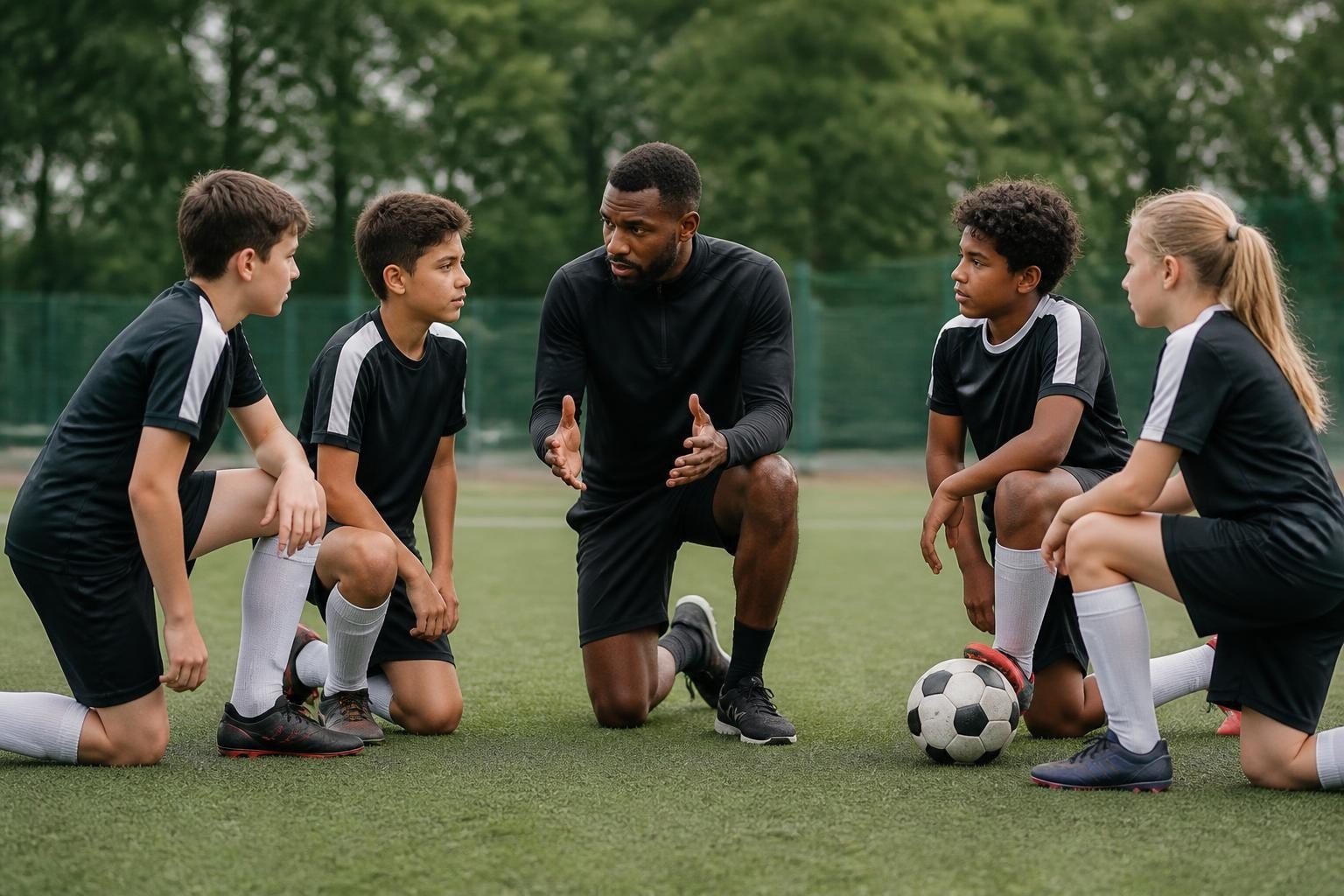
The path to excellence in football demands more than natural talent. Elite football training transforms promising athletes into complete players through systematic development across multiple dimensions. Modern training methodologies combine European coaching philosophies with sports science research to create programs that address every aspect of player development. Parents and young athletes seeking meaningful progression need to understand what separates exceptional training environments from basic instruction.
The Four Pillars of Elite Football Training
Elite football training operates on a comprehensive framework that addresses technical, tactical, physical, and psychological development. This holistic approach mirrors the coaching standards established by UEFA coaching education programs, which emphasize balanced player development across all performance domains.
Technical Excellence as Foundation
Technical proficiency forms the foundation of elite football training. Players must master ball control, passing accuracy, first touch quality, and shooting mechanics before advancing to complex game situations. Training sessions dedicate significant time to repetitive skill work, ensuring movements become automatic under pressure.
Core technical components include:
- Ball mastery and close control in tight spaces
- Passing accuracy with both feet across varying distances
- Receiving skills from ground passes and aerial deliveries
- Shooting technique from multiple angles and situations
- Dribbling patterns for beating defenders one-on-one
Programs that emphasize technical soccer training create opportunities for thousands of ball contacts each session. Research demonstrates that skill acquisition requires deliberate practice with immediate feedback, making coach-to-player ratios critical for development.

Tactical Intelligence and Game Understanding
Tactical development in elite football training teaches players to read the game, make intelligent decisions, and understand positional responsibilities. This dimension separates players who possess skills from those who apply them effectively in match situations.
Modern tactical training incorporates:
- Positional play concepts that emphasize spatial awareness
- Pattern recognition for offensive and defensive transitions
- Decision-making speed under game-realistic pressure
- Team shape maintenance across different formations
- Individual role clarity within collective systems
Players learn to identify opponent weaknesses, exploit space, and coordinate movements with teammates. Small-sided games provide ideal environments for tactical development, as research from the University of Copenhagen shows effective periodization planning balances technical work with game-realistic scenarios.
Physical Preparation for Peak Performance
The physical demands of modern football require systematic conditioning that develops speed, power, endurance, and injury resilience. Elite football training programs integrate sports science principles to maximize athletic development while managing growth and recovery needs in young players.
Strength and Power Development
Evidence-based strength training enhances on-field performance across multiple metrics. A systematic review of plyometric training effects demonstrates significant improvements in maximal strength when properly implemented in soccer programs. Training protocols must follow professional standards such as those outlined in the NSCA Strength and Conditioning Professional Standards.
| Training Component | Primary Benefits | Session Frequency |
|---|---|---|
| Resistance Training | Maximal strength, injury prevention | 2-3 times weekly |
| Plyometric Work | Power output, jump height | 1-2 times weekly |
| Speed Development | Acceleration, top-end speed | 2 times weekly |
| Agility Drills | Change of direction, coordination | 2-3 times weekly |
The Soccer High Performance Training program exemplifies this approach through 90-minute high-intensity sessions that combine technical skills with physical conditioning. Players develop the strength and power necessary for explosive actions while maintaining football-specific movement patterns.
Speed, Agility, and Endurance
Elite football training addresses multiple energy systems and movement capabilities. Research analyzing exercise interventions on sprint and jump performance provides clear evidence that combining strength, plyometric, and speed work produces superior results compared to isolated training methods.
Key physical training elements:
- Linear speed development through sprint mechanics coaching
- Multi-directional agility using cone patterns and reactive drills
- Aerobic capacity building for sustained match performance
- Anaerobic power for repeated high-intensity efforts
- Flexibility and mobility work for injury prevention
Training loads must be carefully monitored, especially with developing athletes. Progressive overload principles ensure players adapt positively without overtraining or risking injury.
Psychological Development and Mental Resilience
The psychological pillar of elite football training often receives insufficient attention despite its critical importance. Mental skills determine how players respond to pressure, overcome setbacks, and maintain focus during crucial moments.
Building Competitive Mindset
Elite programs cultivate mental toughness through progressive exposure to competitive situations. Players develop resilience by facing challenging opponents, managing mistakes constructively, and learning from both victories and defeats. Coaches trained through comprehensive Canada Soccer licensing pathways understand how to create supportive yet demanding environments.
Mental training components include:
- Concentration techniques for maintaining focus during matches
- Visualization practices for skill rehearsal and game preparation
- Confidence building through achievable challenges and positive reinforcement
- Emotional regulation for managing frustration and pressure
- Growth mindset development emphasizing effort over innate ability
Communication and Leadership Skills
Elite football training develops communication abilities that enhance team cohesion. Players learn to provide constructive feedback, encourage teammates, and assume leadership responsibilities appropriate to their development stage. These skills transfer beyond football into academic and professional contexts.
Programs emphasizing character development recognize that building complete athletes requires attention to personal growth alongside technical improvement. Young players who learn accountability, time management, and teamwork gain advantages throughout life.
Nutrition and Recovery Strategies
Proper nutrition and recovery practices separate elite football training from recreational programs. Athletes who fuel and recover optimally extract maximum benefit from training sessions while reducing injury risk.
Performance Nutrition Fundamentals
The NSCA guidelines on optimizing nutrition for soccer players provide evidence-based recommendations for timing, macronutrient balance, and hydration strategies. Players require adequate carbohydrates for energy, protein for recovery, and healthy fats for overall health.
| Nutrient Timing | Recommendations | Purpose |
|---|---|---|
| Pre-Training | Carbohydrates 2-3 hours before | Glycogen availability |
| During Session | Hydration with electrolytes | Maintain performance |
| Post-Training | Protein and carbs within 30 minutes | Recovery initiation |
| Daily Intake | Balanced meals every 3-4 hours | Sustained energy |
Elite programs educate players and parents about nutrition choices that support training demands. Understanding how food impacts performance empowers athletes to make informed decisions.
Sleep and Active Recovery
Quality sleep remains the most powerful recovery tool available to young athletes. Elite football training programs emphasize sleep hygiene, targeting 8-10 hours nightly for adolescent players. Growth hormone release during deep sleep facilitates physical adaptation and skill consolidation.
Recovery strategies include:
- Structured cooldown routines after training sessions
- Active recovery days featuring low-intensity movement
- Flexibility and foam rolling for muscle care
- Mental recovery through hobbies and social time
- Monitoring training loads to prevent accumulated fatigue
Coaching Quality and Program Structure
The effectiveness of elite football training depends heavily on coaching expertise and program organization. Licensed coaches bring knowledge of player development pathways, age-appropriate training methods, and long-term athletic development principles.
Coach Education and Standards
Professional coaching education ensures trainers understand biomechanics, learning psychology, and periodization concepts. Programs employing coaches with National A Licenses through Soccer for Life certifications demonstrate commitment to quality instruction. These credentials require extensive coursework, practical experience, and ongoing professional development.
Coaching quality manifests through:
- Appropriate exercise progressions matching player abilities
- Effective communication adapted to individual learning styles
- Positive training environments balancing challenge and support
- Tactical knowledge translating into clear teaching points
- Ability to identify and correct technical flaws
Parents evaluating programs should inquire about coaching qualifications and development philosophies to ensure their athletes receive expert instruction.
Training Environment and Resources
Elite football training requires proper facilities, equipment, and organizational structure. Quality programs invest in maintaining fields, providing adequate balls and training gear, and ensuring safe conditions. Player-to-coach ratios must allow sufficient individual attention, typically not exceeding 12:1 for technical sessions.
Environmental factors include:
- Field quality allowing proper ball movement and safe play
- Training equipment supporting varied drill structures
- Video analysis tools for performance feedback
- Strength facilities when age-appropriate
- Medical support for injury prevention and management
Individual Development Plans and Progress Tracking
Elite football training personalizes development through individual assessment and goal setting. Players receive regular feedback on strengths and improvement areas, creating roadmaps for advancement.
Assessment and Benchmarking
Systematic evaluation measures technical proficiency, physical capabilities, tactical understanding, and psychological readiness. Coaches conduct periodic assessments using standardized tests, game observation, and performance data. This information guides training adjustments and identifies players ready for advanced challenges.
Assessment categories typically include:
| Area | Evaluation Methods | Frequency |
|---|---|---|
| Technical Skills | Ball mastery tests, passing accuracy | Monthly |
| Physical Fitness | Speed tests, endurance measures | Quarterly |
| Tactical Knowledge | Game analysis, position-specific tasks | Ongoing |
| Psychological Traits | Self-reflection, coach observation | Continuous |
Goal Setting and Achievement Tracking
Elite programs collaborate with players to establish specific, measurable, achievable, relevant, and time-bound (SMART) goals. Young athletes learn to set process goals focused on controllable actions rather than solely outcome-based objectives. This approach builds intrinsic motivation and resilience through incremental achievement.
Progress tracking maintains motivation and demonstrates development over time. Parents appreciate transparent communication showing how their investment translates into tangible improvement. Documentation of skills mastered, physical benchmarks achieved, and tactical concepts learned validates the training approach.
Equipment and Team Identity
While skill development remains paramount, proper equipment contributes to player confidence and team cohesion. Quality training gear and authentic team apparel help athletes feel connected to their program and take pride in representing their club. Organizations seeking professional team uniforms can explore options through custom sports jersey providers that offer personalized designs with proper sizing for developing athletes.
Team identity extends beyond uniforms to shared values, collective goals, and cultural norms. Elite football training programs cultivate positive team cultures where players support each other's growth, celebrate improvements, and maintain high standards together.
Balancing Training Intensity with Development
Elite football training must challenge players appropriately while respecting biological development timelines. Overtraining young athletes risks burnout, injury, and early dropout from the sport. Responsible programs prioritize long-term development over short-term results.
Age-Appropriate Training Loads
Training volume and intensity should match developmental stage and individual capacity. Pre-adolescent players benefit most from technical emphasis and varied movement experiences rather than specialized conditioning. As players mature, systematic physical training becomes increasingly important while maintaining technical foundations.
Age-specific considerations:
- Ages 6-9: Movement literacy, basic ball skills, fun-focused activities
- Ages 10-12: Technical refinement, tactical introduction, gradual conditioning
- Ages 13-15: Physical development emphasis, tactical complexity, mental skills
- Ages 16-18: Performance optimization, position specialization, college preparation
Multi-Sport Participation and Specialization Timing
Research increasingly supports delayed specialization in youth athletics. Players participating in multiple sports develop broader athletic foundations, reduce overuse injury risk, and often achieve higher long-term success. Elite football training programs recognize this evidence by encouraging varied athletic experiences, particularly before age 12.
Specialization decisions should emerge from player passion and demonstrated commitment rather than parental pressure or premature academy selection. Programs focused on holistic development over roster size maintain ethical standards that prioritize athlete welfare.
Elite football training succeeds through systematic attention to technical mastery, tactical intelligence, physical preparation, and psychological development. Programs following these evidence-based principles create environments where young athletes thrive both on and off the field. At Strive Soccer Academy, we combine European-style training philosophy with comprehensive player development across all four pillars, delivered by fully licensed Canada Soccer coaches committed to building skilled, confident, and resilient athletes. Our approach emphasizes individual growth within a supportive team environment, preparing players for success at every level while developing character that extends far beyond football.