
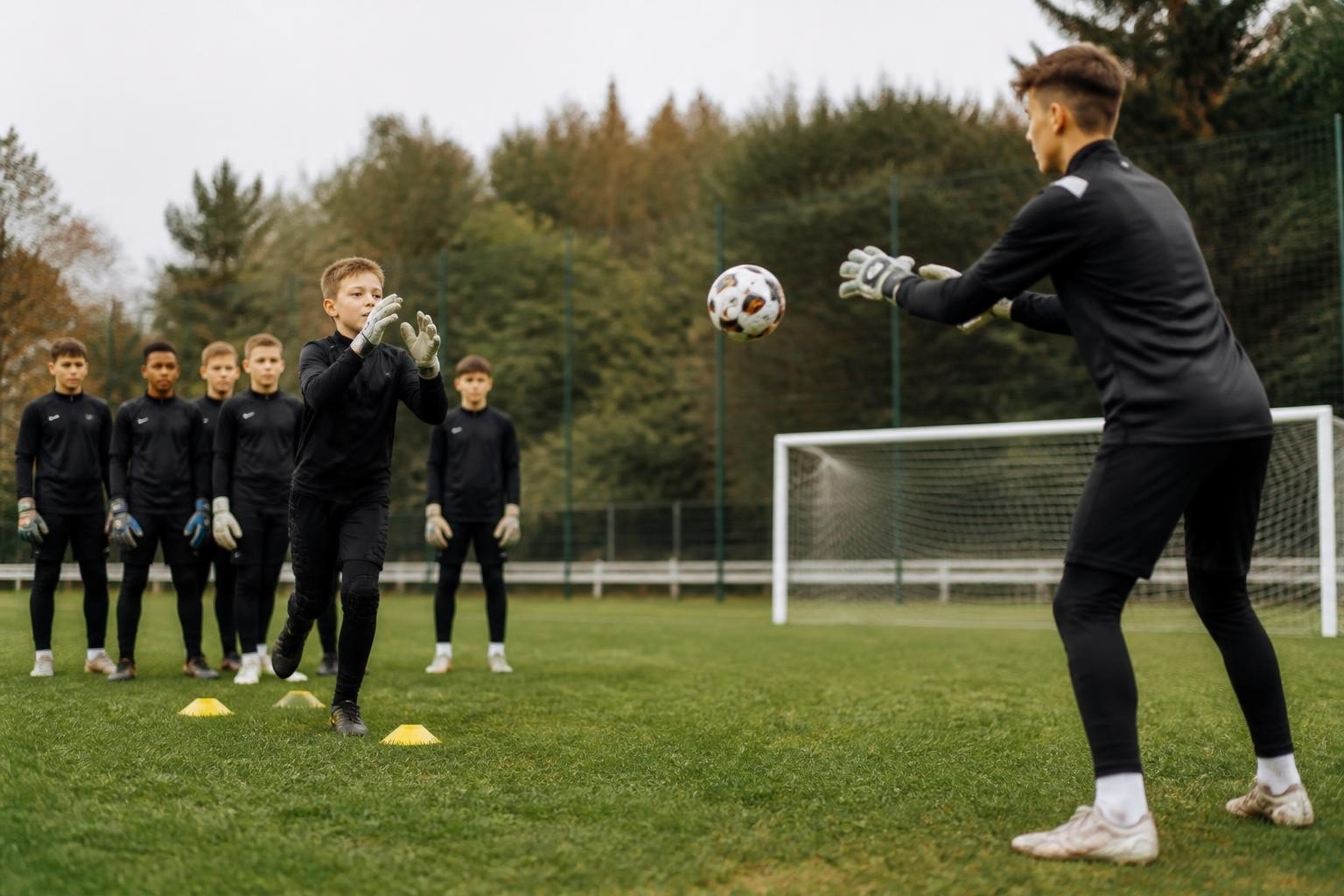
The position of goalkeeper demands a unique blend of physical prowess, mental fortitude, and technical precision that sets it apart from every other role on the pitch. Yet too often, young keepers are left to develop these specialized skills through generic team training or isolated practice sessions that fail to address the comprehensive demands of modern goalkeeping. The goalkeeper academy model has emerged as the gold standard for developing elite shot-stoppers, offering dedicated training environments where every session is designed specifically for the unique requirements of the position. This specialized approach recognizes that goalkeepers need tailored coaching that addresses not just shot-stopping, but distribution, positioning, communication, and the psychological resilience required to perform under immense pressure.
Understanding the Goalkeeper Academy Structure
The goalkeeper academy represents a fundamental shift in how young keepers develop their craft. Unlike traditional team environments where goalkeepers might receive only 15-20 minutes of position-specific training per session, the goalkeeper academy dedicates entire programs to the nuanced skills required between the posts.
Core components of effective goalkeeper academies include:
- Dedicated goalkeeper coaches with specialized certifications
- Age-appropriate progression pathways from foundational to elite levels
- Integration of technical, tactical, physical, and psychological development
- Regular exposure to game-realistic scenarios and decision-making pressure
- Video analysis and performance feedback loops
Modern academies recognize that goalkeeper development follows a different timeline than outfield players. According to UEFA’s comprehensive goalkeeper coaching guidelines, keepers often reach peak performance later in their careers, making consistent, long-term development crucial during the formative years.
The Four Pillars of Goalkeeper Development
The goalkeeper academy builds training around four interconnected pillars that mirror the holistic player development philosophy used in elite academy training environments. Each pillar requires dedicated attention and progressive challenges as keepers mature.

Technical development focuses on the fundamental skills that define goalkeeping excellence. This includes handling techniques for various shot types, diving mechanics, footwork patterns, and distribution methods. Young keepers in the goalkeeper academy setting practice thousands of repetitions under the watchful eye of specialized coaches who can correct subtle flaws before they become ingrained habits.
Tactical awareness separates good goalkeepers from great ones. This pillar addresses positioning relative to the ball and goal, communication with defenders, organizing the defensive line, and reading the game to anticipate dangers. Research on goalkeeper decision-making during game situations demonstrates how visual search behaviors and cognitive processing directly impact performance under pressure.
Physical conditioning tailored to goalkeeping demands includes explosive power for diving and jumping, reaction speed development, flexibility for reaching difficult shots, and endurance for maintaining concentration throughout matches. The goalkeeper academy integrates these physical components into technical sessions rather than treating them as separate conditioning work.
Psychological resilience might be the most critical yet often overlooked pillar. Goalkeepers face unique mental challenges, from recovering after conceding goals to maintaining focus during periods of inactivity. Building confidence through progressive success and teaching coping mechanisms for setbacks forms an essential part of academy training.
Age-Appropriate Training Progressions
The goalkeeper academy tailors training complexity and intensity to match developmental stages. What works for a 16-year-old elite prospect would overwhelm an 8-year-old just beginning their journey between the posts.
Foundation Phase (Ages 8-11)
During these critical years, the goalkeeper academy emphasizes fun, variety, and building a love for the position. Young keepers need exposure to all aspects of goalkeeping without the pressure of specialization.
| Focus Area | Training Methods | Session Frequency |
|---|---|---|
| Basic Handling | Catching various ball types, rolling, throwing | 2-3 times weekly |
| Movement Patterns | Footwork ladders, cone drills, lateral shuffles | Integrated into sessions |
| Game Understanding | Small-sided games, decision-making scenarios | Every session |
England Football’s resources on goalkeeper development emphasize that confidence and enjoyment at this stage predict long-term retention in the position far better than early technical proficiency.
Development Phase (Ages 12-15)
As keepers enter adolescence, the goalkeeper academy increases technical complexity while introducing more sophisticated tactical concepts. Training volume increases, and keepers begin to experience position-specific physical development programs.
Key progressions during this phase:
- Advanced diving techniques for low, mid, and high shots
- Distribution skills including goal kicks, throws, and short passing
- Cross management and dealing with high balls under pressure
- 1v1 situations and closing down angles
- Introduction to video analysis and self-assessment
The physical changes during puberty require careful monitoring by goalkeeper academy staff. Growth spurts can temporarily affect coordination and timing, requiring patience and adjusted expectations during these periods.
Elite Phase (Ages 16+)
At the elite level, the goalkeeper academy functions almost identically to professional training environments. Sessions become highly specialized, with individual development plans tailored to each keeper's strengths and weaknesses.
Keepers at this stage benefit from exposure to high-intensity environments where technical skills meet tactical and physical demands. Programs like high-performance soccer training provide the competitive pressure necessary for keepers to test themselves against elite competition and refine their decision-making under stress.
Technical Training Methodologies
The goalkeeper academy employs specific training methodologies designed to maximize skill acquisition and retention. Modern approaches blend repetition with variability, ensuring keepers develop both consistent technique and adaptability.
Blocked vs. Random Practice
Early-stage technical development often uses blocked practice, where keepers repeat the same skill multiple times consecutively. This builds muscle memory and allows coaches to provide immediate feedback on technique refinement.
As keepers progress, the goalkeeper academy transitions toward random practice, mixing different skills within single sessions. A keeper might face a low shot, then a cross, then a 1v1, then a back-pass, mimicking the unpredictable nature of match situations.
Constraint-Led Approaches
Modern goalkeeper academies increasingly use constraint-led coaching, where environmental or task modifications guide learning without excessive verbal instruction. For example, narrowing the goal encourages better positioning, while limiting touches on back-passes forces quicker decision-making.
This approach aligns with research on adaptive variability in goalkeeper training, which shows that allowing keepers to explore different movement solutions within structured constraints leads to more robust skill development than rigid technical prescriptions.
Integrating Goalkeepers into Team Training
A common challenge for the goalkeeper academy is ensuring keepers don't become isolated from team environments. The best programs create bridges between specialized training and integrated team sessions.
Effective integration strategies include:
- Joint sessions with defenders focusing on defensive organization
- Full-team tactical training where goalkeeper communication is emphasized
- Small-sided games that require goalkeeper involvement in build-up play
- Regular exposure to different playing styles and offensive approaches
The holistic training philosophy recognizes that goalkeepers must understand the entire game, not just their isolated role. This comprehensive approach develops keepers who can read the game, anticipate threats, and contribute to team strategy beyond simple shot-stopping.
The Role of Technology and Analysis
Modern goalkeeper academies leverage technology to accelerate development and provide objective performance feedback. Video analysis has become standard practice, allowing keepers to review their positioning, technique, and decision-making from multiple angles.
| Technology | Application | Developmental Benefit |
|---|---|---|
| Video Analysis | Session and match review | Improved self-awareness, technical refinement |
| GPS Tracking | Movement patterns and workload | Optimized physical training, injury prevention |
| Shot-Speed Monitors | Reaction time assessment | Benchmark progress, competitive motivation |
| Performance Apps | Goal tracking and statistics | Increased engagement, accountability |
Beyond the tools themselves, the goalkeeper academy must teach young keepers how to analyze their own performance critically. This metacognitive skill, learning how to learn, becomes increasingly valuable as players progress through competitive levels.
Psychological Development and Mental Skills
The mental demands placed on goalkeepers require dedicated attention within the goalkeeper academy framework. A single mistake can determine match outcomes, creating pressure that outfield players rarely experience with such intensity.
Building Resilience Through Progressive Challenges
The goalkeeper academy structures training to build psychological resilience gradually. Early experiences emphasize success and confidence-building, with difficulty increasing as keepers develop coping mechanisms for setbacks.
Mental skills training components:
- Pre-performance routines for consistency and focus
- Breathing techniques for managing pressure moments
- Reframing negative experiences as learning opportunities
- Visualization of successful performance in challenging scenarios
- Communication skills for leadership and defensive organization
Coaching research on goalkeeper risk management emphasizes that teaching keepers to process information efficiently under pressure requires systematic exposure to decision-making challenges where mistakes are treated as valuable learning data rather than failures.
The Importance of Positive Coaching Environments
The goalkeeper academy environment significantly impacts psychological development. Coaches who create cultures of support, growth mindset, and constructive feedback produce keepers who embrace challenges rather than fear mistakes.
Young goalkeepers particularly benefit from seeing errors as necessary steps in the learning process. When academy staff model this approach consistently, keepers develop the mental toughness required for high-level competition while maintaining the joy and passion that sustains long-term involvement in the position.
Physical Development Specific to Goalkeepers
While all soccer players require athleticism, goalkeepers need specific physical attributes that the goalkeeper academy must develop systematically. The position demands explosive power in unusual movement patterns, flexibility for acrobatic saves, and the endurance to maintain concentration and physicality throughout matches.
Power and Explosiveness
Diving saves require rapid force production, combining leg drive with core rotation and arm extension. The goalkeeper academy integrates plyometric training, Olympic lift variations, and position-specific power exercises into age-appropriate development programs.
Young keepers must build this power foundation carefully. Premature exposure to high-intensity plyometrics or heavy resistance training can increase injury risk, particularly during growth spurts when connective tissues are vulnerable.
Flexibility and Mobility
Modern goalkeeping requires extreme ranges of motion, from splits positions during low dives to overhead reaches for high balls. The goalkeeper academy includes comprehensive flexibility work, focusing on hip mobility, thoracic spine rotation, and shoulder stability.
Key mobility areas for goalkeeper development:
- Hip flexor and adductor flexibility for split positions
- Ankle mobility for quick directional changes
- Shoulder girdle stability and range for overhead work
- Thoracic rotation for diving and distribution
Creating Competitive Opportunities
The goalkeeper academy must provide regular competitive experiences where keepers can test their developing skills under match pressure. Training perfection means little without the ability to perform when outcomes matter.
Match exposure presents challenges, however. Teams typically field only one goalkeeper, limiting playing time for academy keepers. Progressive academies address this through rotating starting positions, organizing internal competitions, and creating additional match opportunities.
Exposure to various competition levels helps keepers understand their current developmental stage and identify areas requiring focus. Some keepers thrive in high-pressure elite matches, while others need confidence-building experiences at appropriate competitive levels before facing top opposition.
The Multidisciplinary Team Approach
Elite goalkeeper academies assemble multidisciplinary teams that address every aspect of player development. Beyond specialized goalkeeper coaches, comprehensive programs involve sports psychologists, strength and conditioning specialists, nutritionists, and medical professionals.
This integrated approach mirrors structures described in professional academy systems across different cultures, where collaboration among specialists creates developmental environments far superior to single-coach programs.
Regular communication among team members ensures training loads remain appropriate, psychological interventions align with competitive demands, and physical development supports technical progression. This holistic view prevents the silos that often undermine player development in less sophisticated programs.
Selecting the Right Goalkeeper Academy
For parents and young keepers evaluating options, several factors distinguish high-quality goalkeeper academies from programs offering only superficial position-specific training. Resources for structuring goalkeeper development programs provide frameworks that serious academies should demonstrate in their curriculum design.
Key evaluation criteria include:
- Qualified goalkeeper coaching staff with recognized certifications
- Structured curriculum showing clear progression across age groups
- Regular performance feedback and individual development planning
- Access to appropriate facilities and equipment
- Integration with team environments rather than complete isolation
- Evidence of player progression to higher competitive levels
The best goalkeeper academy provides transparent communication about development timelines and realistic expectations. Soccer development requires years of consistent training, and programs promising shortcuts or rapid transformation often disappoint families seeking genuine long-term growth.
Building Technical Excellence Through Repetition
While modern coaching emphasizes game-realistic training, the goalkeeper academy recognizes that certain technical skills require dedicated repetition away from competitive pressure. Handling technique, footwork patterns, and diving mechanics benefit from isolated practice where keepers can focus entirely on movement quality.
Progressive academies balance this technical work with game integration, ensuring skills developed in isolation transfer effectively to match situations. A keeper with perfect diving technique in controlled drills must learn to apply that technique when facing a powerful shot with match consequences.
The transition from controlled to chaotic environments represents a critical phase in goalkeeper development. Academy staff must carefully manage this progression, providing enough challenge to stimulate adaptation without overwhelming keepers with complexity before foundational skills are secure.
The goalkeeper academy model represents the most effective approach for developing young keepers who aspire to reach their full potential in this demanding position. By addressing technical, tactical, physical, and psychological development through specialized, age-appropriate training, comprehensive academy programs create pathways for keepers to progress from foundational skills to elite performance. At Strive Soccer Academy, we apply this holistic philosophy across all positions, combining European-style training methodology with fully licensed coaching staff to develop complete players. Our four-pillar approach ensures young athletes receive the specialized attention and comprehensive development they need to succeed at every level of the game.


