
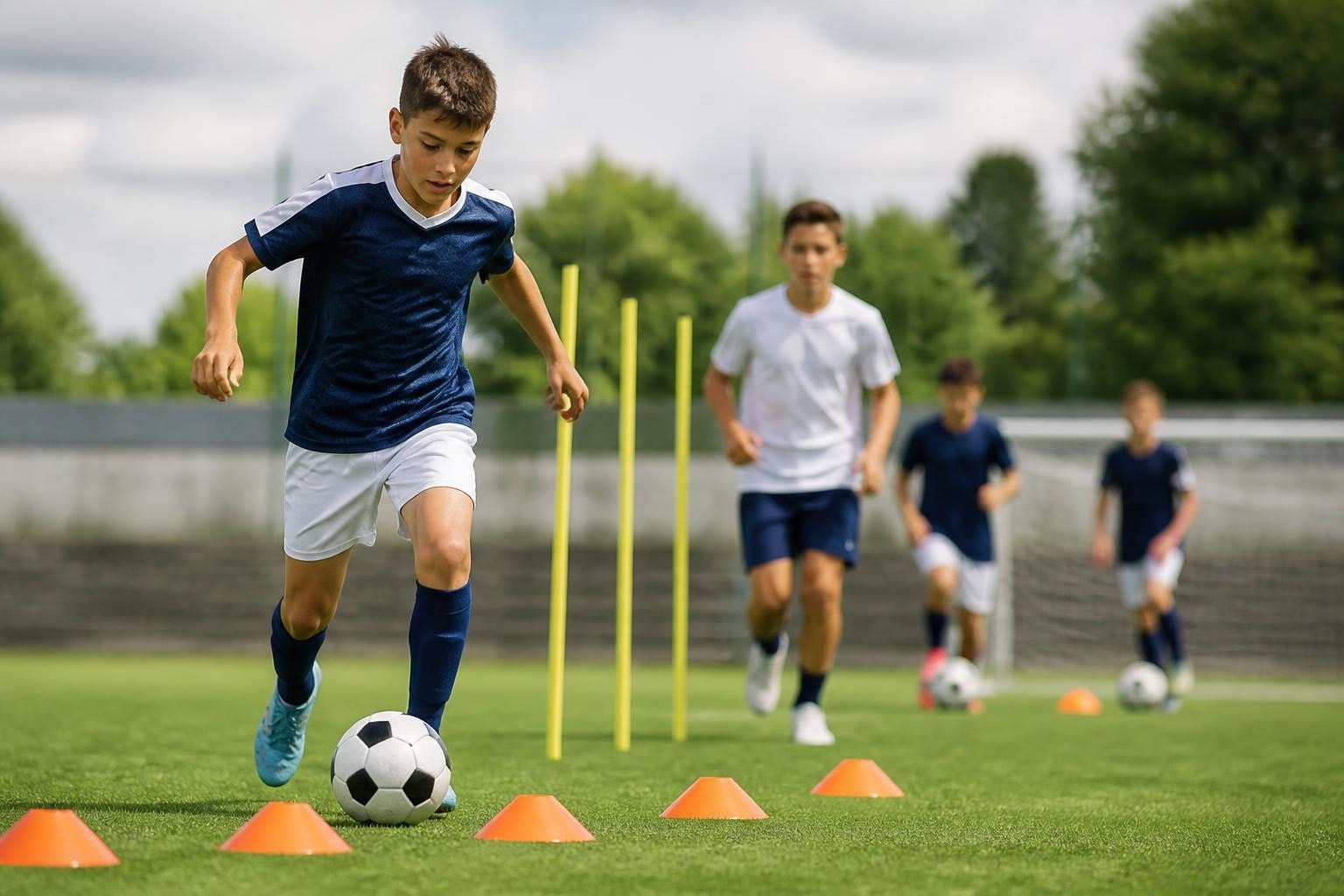
The landscape of soccer youth soccer has evolved dramatically over the past decade, with modern training methodologies replacing outdated approaches that focused solely on competition. Today's best programs recognize that developing young players requires a holistic approach that balances technical mastery, tactical understanding, physical conditioning, and psychological resilience. Parents and coaches alike are discovering that the right soccer youth soccer environment can transform not just how a child plays the game, but how they approach challenges throughout their lives.
The Four Pillars of Modern Soccer Youth Soccer Development
Contemporary soccer youth soccer training has moved beyond simple drills and scrimmages to embrace a comprehensive development model. This framework addresses every aspect of a young player's growth, ensuring they develop into well-rounded athletes and individuals.
Technical Development: The Foundation of Player Excellence
Technical skill forms the cornerstone of any successful soccer youth soccer program. Young players must develop a comfort level with the ball that becomes second nature, allowing them to execute movements without conscious thought during match situations.
Key technical competencies include:
- Ball mastery and close control in tight spaces
- Passing accuracy with both feet across various distances
- First touch reception from ground and aerial balls
- Shooting technique and finishing under pressure
- Dribbling moves to beat defenders in 1v1 situations
The difference between average and exceptional soccer youth soccer programs often lies in the quality and frequency of technical work. Players need hundreds of repetitions to build muscle memory, which is why dedicated technical training sessions emphasize purposeful practice over random activity.

Research published in academic journals demonstrates that soccer training provides cognitive benefits beyond physical development. A meta-analytic review of football training effects on children and adolescents found significant improvements in executive function, attention, and processing speed among young soccer players compared to control groups.
Tactical Awareness: Teaching the Mental Game
While technical skills get players noticed, tactical intelligence separates good players from great ones in soccer youth soccer environments. Understanding positioning, spacing, and decision-making transforms individual talent into team success.
| Tactical Element | Age 6-9 | Age 10-13 | Age 14-17 |
|---|---|---|---|
| Field awareness | Basic positioning | Reading passing lanes | Anticipating opponent movements |
| Decision speed | Identify open space | Choose correct pass | Execute under pressure |
| Team shape | Understand positions | Maintain formation | Adjust to game situations |
| Transition play | React to ball loss | Counter-attack concepts | Organized pressing systems |
Young players in quality soccer youth soccer programs learn to see the game unfold before it happens. They develop the ability to scan their surroundings, process information quickly, and make intelligent decisions that benefit the team. This tactical education occurs through small-sided games, position-specific training, and video analysis appropriate to the player's age and development stage.
Physical Preparation: Building Athletic Foundations
Physical development in soccer youth soccer must respect biological growth patterns while preparing players for the demands of competitive play. The approach differs significantly from adult training, focusing on movement literacy, coordination, and injury prevention rather than pure strength or endurance.
Modern soccer youth soccer programs incorporate age-appropriate physical training that includes:
- Movement competency: Running mechanics, jumping, landing, and change of direction
- Coordination development: Agility ladders, cone drills, and balance exercises
- Injury prevention: Programs like the FIFA 11+ KIDS have shown significant promise in reducing injuries in child soccer players
- Speed and quickness: Acceleration drills and reaction-time exercises
- Flexibility and mobility: Dynamic warm-ups and age-appropriate stretching
The FIFA 11+ KIDS program, specifically designed for children aged 7-13, has demonstrated effectiveness in reducing injury rates by up to 48% when implemented consistently. This evidence-based warm-up protocol addresses common injury patterns in soccer youth soccer and promotes healthy movement patterns.
Physical conditioning should enhance, not replace, skill development time. The best programs integrate physical work into technical drills, ensuring players develop fitness while improving their soccer abilities. Parents should be wary of programs that separate conditioning from ball work, as this approach misses opportunities for integrated development.
Creating a Positive Soccer Youth Soccer Culture
The environment surrounding young players matters as much as the training itself. A positive culture encourages risk-taking, celebrates effort, and maintains perspective about the role of soccer in a child's overall development.
The Role of Coaching in Player Development
Licensed, educated coaches form the backbone of quality soccer youth soccer programs. These professionals understand child development, age-appropriate training methodologies, and how to create engaging sessions that keep players motivated.
Positive Coaching Alliance research emphasizes that coaches who focus on effort, learning, and bouncing back from mistakes create athletes who are more resilient, confident, and likely to continue playing sports long-term. The coaching philosophy matters tremendously in soccer youth soccer, where early experiences shape a player's relationship with the game for years to come.
Parents should look for programs where coaches demonstrate:
- Current licensing and continuing education
- Clear communication with players and families
- Understanding of long-term athlete development models
- Ability to differentiate instruction based on individual needs
- Commitment to creating an inclusive, supportive environment
Parent Engagement and Education
Informed parents make better decisions about their child's soccer youth soccer journey. Understanding development timelines, recognizing burnout signs, and managing competitive pressures helps families navigate the youth sports landscape successfully.
According to Harvard Health guidance on preventing youth sports injuries, parents should follow four key rules: don't push too hard too soon, encourage multiple sports participation, ensure adequate rest and recovery, and watch for warning signs of burnout or overtraining.
Warning signs of soccer youth soccer burnout include:
- Decreased enthusiasm for training or matches
- Persistent fatigue or mood changes
- Declining academic performance
- Increased injury frequency
- Requests to quit or take breaks
Smart parents recognize that supporting their child means sometimes stepping back, allowing coaches to coach, and focusing on the experience rather than outcomes. The soccer youth soccer journey should build confidence and character, not create anxiety or family conflict.
Transitioning Through Development Stages
Soccer youth soccer encompasses a wide age range, from initial exposure around age 4-5 through late adolescence. Each stage requires different emphasis, expectations, and training approaches.
Early Years: Building Love for the Game (Ages 4-8)
The foundation stage focuses entirely on enjoyment and basic movement skills. Players at this age should experience small-sided games that maximize touches and minimize standing around.
Training characteristics for this age group:
- Short attention spans require frequent activity changes
- Learning through play rather than formal instruction
- Basic ball familiarity without complex tactics
- Emphasis on fun, friendship, and positive experiences
- No specialized positions or rigid formations
Programs that pressure young children with excessive competition or adult expectations often create anxiety and early dropout. The soccer youth soccer philosophy for this age group should prioritize participation, exploration, and developing a genuine love for playing.
Middle Years: Skill Refinement (Ages 9-13)
This critical window represents the optimal time for technical skill development in soccer youth soccer. Players' coordination, balance, and learning capacity peak during these years, making consistent, quality training essential.
| Development Priority | Focus Areas | Training Methods |
|---|---|---|
| Technical excellence | Both-footed ability, ball manipulation | Repetition-based drills, 1v1 situations |
| Tactical foundation | Shape, spacing, roles | Position-specific work, phase-of-play exercises |
| Physical literacy | Speed, agility, coordination | Movement patterns, change-of-direction work |
| Mental growth | Decision-making, confidence | Problem-solving games, positive reinforcement |
During these years, players benefit from increased training frequency and intensity while still participating in multiple sports. International research from FIFA’s talent development framework emphasizes that early specialization rarely benefits long-term development and often increases injury risk and burnout.
Later Years: Performance Development (Ages 14-17)
Older players in soccer youth soccer programs begin transitioning toward performance-oriented training. Physical maturation allows for more intensive conditioning, while cognitive development supports advanced tactical concepts.
This stage introduces:
- Position specialization and role clarity
- Strength and power development appropriate to growth stage
- Advanced tactical systems and game management
- Mental skills training for pressure situations
- Exposure to higher competition levels
For players with collegiate or professional aspirations, programs offering high-performance training environments provide the intensity and exposure needed to reach the next level. These specialized tracks separate from recreational pathways while maintaining healthy development principles.
The transition from youth to senior soccer represents a critical juncture. FIFA’s guidance on talent transition notes that only a small percentage of youth players successfully make this leap, emphasizing the importance of robust development systems that prepare athletes for senior demands.
Health and Safety in Soccer Youth Soccer
Protecting young athletes from injury and ensuring their long-term health must be paramount in any soccer youth soccer program. Modern understanding of sports medicine, concussion management, and overuse injuries informs best practices.
Concussion Protocols and Management
Head injuries require immediate attention and proper management protocols. The National Athletic Trainers’ Association guidelines for sport-related concussion emphasize that any suspected concussion should result in immediate removal from play and medical evaluation before return.
Soccer youth soccer programs should implement:
- Pre-season baseline testing for all players
- Educated coaches who recognize concussion symptoms
- Clear return-to-play protocols following medical clearance
- Communication systems between coaches, parents, and medical providers
- Age-appropriate heading instruction and limitations
Parents should never pressure a child to return from injury before medical clearance, regardless of competitive implications. Long-term health always outweighs short-term performance.
Overuse Injury Prevention
Repetitive stress injuries increasingly affect soccer youth soccer participants, particularly those playing year-round without adequate rest. Knees, ankles, and growth plates are especially vulnerable during adolescent growth spurts.
Prevention strategies include:
- Limiting weekly and annual playing hours based on age
- Ensuring off-seasons for physical and mental recovery
- Cross-training through multiple sports
- Monitoring training loads and competition schedules
- Addressing technique issues that create injury risk
Quality programs track player participation across all soccer activities, including academy training, club teams, and additional sessions, to prevent overload. Communication between different coaches ensures no child faces excessive demands from combined commitments.
Global Perspectives on Soccer Youth Soccer Development
Examining how different soccer cultures approach youth development provides valuable insights for North American programs. European and South American models offer time-tested methodologies, while emerging soccer nations demonstrate innovative approaches.
European Academy Models
European soccer youth soccer systems, particularly those in Spain, Germany, and the Netherlands, emphasize technical mastery and tactical intelligence from early ages. These programs typically feature:
- Daily training access for committed players
- Credentialed coaches with extensive youth-specific education
- Clear pathways from youth to professional levels
- Academic integration supporting athletic commitments
- Culture prioritizing player development over short-term results
UEFA’s grassroots initiatives demonstrate institutional commitment to youth development, with significant funding directed toward coach education, facility development, and program accessibility across all socioeconomic levels.
North American Evolution
The United States and Canada have made substantial progress in soccer youth soccer development over recent decades. U.S. Soccer’s investment in national training centers reflects growing commitment to creating world-class development environments domestically.
Canadian soccer continues expanding opportunities through provincial programs, academy systems, and improved coach education. The best North American soccer youth soccer programs now combine European technical emphasis with athletic development approaches suited to the region's multi-sport culture.
Selecting the Right Soccer Youth Soccer Program
Parents face numerous options when choosing a program for their child. Making an informed decision requires evaluating multiple factors beyond convenience and cost.
Program Evaluation Criteria
| Evaluation Factor | What to Look For | Questions to Ask |
|---|---|---|
| Coaching quality | Licensed, educated coaches | What certifications do coaches hold? |
| Philosophy alignment | Development over winning | How do you measure program success? |
| Player-to-coach ratio | Maximum 12:1 for young ages | What are typical training group sizes? |
| Facility quality | Safe, appropriate fields | Where does training occur year-round? |
| Communication | Regular updates, accessibility | How do you communicate with families? |
| Development pathway | Clear progression opportunities | What happens as my child advances? |
Visit programs in person, observe training sessions, and speak with current families before committing. The right fit depends on your child's goals, personality, and development stage. A program perfect for one player might not suit another, even within the same family.
Balancing Competition and Development
The tension between winning and developing players challenges soccer youth soccer programs constantly. While competition motivates many young athletes, excessive emphasis on results can undermine long-term development.
Healthy programs maintain this balance by:
- Playing players in multiple positions to broaden experience
- Providing equal playing time at younger ages
- Celebrating individual improvement alongside team success
- Making selection decisions based on long-term potential, not just current ability
- Creating training environments more challenging than matches
Parents should be concerned if a program consistently prioritizes winning over player development, relies heavily on physical advantages that won't persist, or creates excessive pressure on young athletes. The soccer youth soccer experience should build skills and character that extend far beyond the field.
Soccer youth soccer development requires patience, perspective, and commitment to holistic growth that extends beyond athletic performance. The most successful programs recognize that today's young players need technical excellence, tactical awareness, physical preparation, and psychological resilience to reach their potential while developing life skills that serve them regardless of how far they progress in the sport. At Strive Soccer Academy, we've built our entire approach around these principles, bringing European-style training philosophy to Surrey, BC, with fully licensed coaches who focus on the complete development of every young athlete. Whether your child dreams of playing professionally or simply loves the game, we're committed to providing an environment where they can grow, learn, and thrive.


