
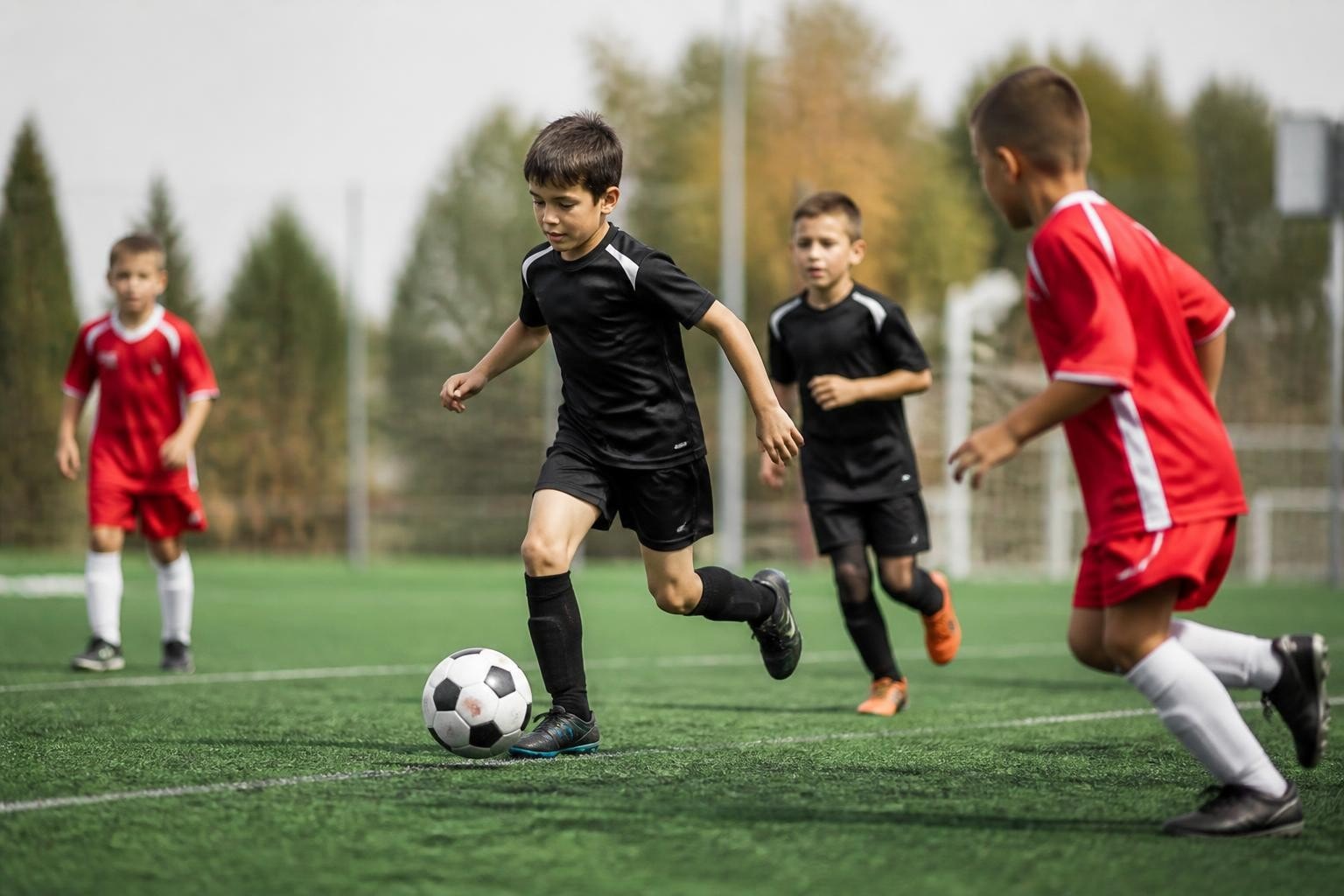
Soccer playing games represent far more than simple entertainment for young athletes. These structured, competitive activities form the cornerstone of modern player development, transforming raw enthusiasm into refined skill through purposeful play. When coaches design soccer playing games with clear developmental objectives, they create environments where technical mastery, tactical awareness, physical conditioning, and psychological growth happen simultaneously. This holistic approach mirrors how children naturally learn-through exploration, repetition, and meaningful competition-making it significantly more effective than isolated drills that disconnect skills from their game context.
The Science Behind Soccer Playing Games
Research consistently demonstrates that soccer playing games produce measurable improvements across multiple performance dimensions. A 2024 study comparing small-sided games to circuit training revealed that game-based approaches generated superior outcomes in both technical execution and physical conditioning among youth players. The findings shouldn't surprise anyone familiar with motor learning principles: skills developed under game-realistic conditions transfer more effectively to competitive matches.
Why Games Beat Drills
Traditional training often isolates technical work from decision-making, asking players to perfect a pass without opposition, then expecting that skill to appear magically during match pressure. Soccer playing games eliminate this artificial separation.
Key advantages of game-based training:
- Players make hundreds of tactical decisions per session
- Technical skills develop under realistic time and space constraints
- Physical demands mirror actual match intensity patterns
- Psychological resilience builds through authentic competition
- Motivation remains high through inherent engagement
The World Health Organization’s guidelines on physical activity emphasize that children and adolescents need varied, enjoyable physical activities that develop multiple fitness components simultaneously. Soccer playing games perfectly align with these recommendations, delivering cardiovascular conditioning, muscular strength, coordination, and bone health within a single activity framework.

Designing Age-Appropriate Soccer Playing Games
Effective soccer playing games must match developmental stages. A game that challenges 14-year-olds will overwhelm 7-year-olds, while activities suited for beginners will bore advanced players. U.S. Soccer’s Age Group Guide provides research-backed frameworks for selecting appropriate game formats across different ages.
Small-Sided Game Formats by Age
| Age Group | Recommended Format | Field Dimensions | Key Focus Areas |
|---|---|---|---|
| U6-U8 | 3v3 (no goalkeeper) | 20×15 yards | Ball mastery, spatial awareness |
| U9-U10 | 4v4 to 5v5 | 35×25 yards | Basic positioning, passing angles |
| U11-U12 | 6v6 to 7v7 | 50×35 yards | Tactical roles, team shape |
| U13-U14 | 8v8 to 9v9 | 70×50 yards | Complex patterns, transitions |
Research on relative playing area in small-sided soccer games demonstrates how pitch dimensions directly influence physical load and technical frequency. Smaller spaces increase touch frequency and intensity, while larger areas demand more running and positional discipline. Coaches should manipulate these variables deliberately based on training objectives.
For younger age groups, soccer playing games should emphasize maximum ball contact and minimal standing. When working with U8 soccer players, every participant needs frequent touches rather than watching from static positions. Three-versus-three formats naturally create this environment, with each player constantly involved in attacking or defending actions.
Technical Development Through Game Constraints
Soccer playing games become powerful technical training tools when coaches apply specific constraints that target desired skills. Rather than stopping play for correction, intelligent game design forces players to discover solutions through trial and adaptation.
Constraint-Based Game Examples
Touch limitation games require players to use one or two touches maximum, accelerating decision-making and improving first-touch quality. Players quickly learn that poor control eliminates passing options, creating intrinsic motivation for technical improvement.
Directional games award bonus points for attacking specific zones or completing passes in particular directions. These variations develop tactical awareness while maintaining game realism. A north-south passing emphasis, for instance, trains players to recognize and exploit vertical opportunities.
Target player games designate specific individuals who must receive passes before goals count, forcing teammates to scan constantly and adjust positioning to create passing lanes. This format develops the critical habit of playing with head up.
Many comprehensive soccer training programs integrate these constraint-based approaches because they generate technical improvement without sacrificing the competitive intensity that keeps players engaged. The best soccer playing games feel like pure competition while secretly functioning as highly structured skill development.
Tactical Intelligence From Game Repetition
Tactical understanding-recognizing patterns, anticipating movements, selecting optimal solutions-develops primarily through repeated game exposure rather than classroom instruction. Soccer playing games provide the repetition volume necessary for pattern recognition to emerge.
Building Tactical Awareness
Consider possession-based soccer playing games where teams score by completing consecutive passes. Initially, young players cluster around the ball, creating impossible passing angles. Through repeated play, they gradually discover spacing principles: standing further apart creates more options. No lecture teaches this lesson as effectively as experiencing the frustration of bunched players versus the success of proper dispersion.
Transition games that award points for quick counterattacks after winning possession teach players to recognize the golden moments when opponents are disorganized. Youth soccer training schedules that incorporate regular transition games develop players who instinctively exploit these opportunities during matches.
Progressive tactical complexity:
- Basic possession-understanding support angles
- Directional possession-recognizing attacking priorities
- End-zone possession-penetrating organized defenses
- Full-field transitions-linking defense to attack
- Multiple-goal games-reading numerical advantages
The U.S. Soccer coaches’ session plans offer detailed progressions showing how to layer tactical complexity gradually. Each game variation introduces one new concept while reinforcing previously learned patterns.
Physical Conditioning Without Monotony
Young athletes rarely enjoy traditional fitness training, yet soccer playing games deliver exceptional conditioning results while maintaining high engagement. The intermittent intensity pattern of game-based activities perfectly matches soccer's physiological demands.
During well-designed soccer playing games, players alternate between high-intensity sprints, moderate-paced jogging, and brief recovery periods-exactly mirroring match demands. This specificity makes game-based conditioning superior to generic running for soccer preparation.
Intensity Manipulation Strategies
Coaches can adjust physical load through several game variables without changing the core activity. Smaller playing areas increase movement density and cardiovascular stress. Fewer players per side demand more individual running. Shorter game durations with multiple repetitions allow higher intensity bursts.
For teenage soccer players developing aerobic capacity, continuous 8v8 games lasting 12-15 minutes provide excellent cardiovascular training. For explosive power development, 3v3 games with 90-second durations and full recovery between repetitions prove more effective.
| Fitness Component | Game Modification | Duration Pattern |
|---|---|---|
| Aerobic capacity | Larger area, continuous play | 10-15 minutes |
| Anaerobic power | Smaller area, max effort | 60-90 seconds |
| Speed endurance | Medium area, repeated sprints | 3-5 minute blocks |
| Recovery capacity | Short games, limited rest | 2 minutes on/1 off |
Athletes training with high-performance programs experience soccer playing games carefully calibrated to physical development objectives. These sessions maintain the competitive element players love while systematically building the physiological foundation for elite performance.
Psychological Growth Through Competition
Soccer playing games inherently develop mental toughness, resilience, and competitive mentality-qualities essential for athletic success but difficult to train directly. The emotional investment players bring to competitive games creates authentic psychological challenges.
Mental Skills Developed Through Games
Handling adversity: When teams fall behind in score, players must maintain focus and effort despite frustration. This resilience transfers directly to match situations. Soccer playing games offer safe environments to practice emotional regulation under stress.
Decision-making under pressure: Time constraints and opponent pressure force rapid choices. Initially, young players freeze or panic. Repeated exposure through soccer playing games gradually builds comfort with pressure situations, improving decision quality when stakes matter.
Communication skills: Effective teams in soccer playing games constantly communicate-calling for passes, directing teammates, organizing defensively. These verbal skills develop through necessity rather than instruction.
Similar to how athletes in other sports develop mental toughness through competitive practice, soccer players build psychological strength through well-designed games. Just as Mantis serves tennis players who embrace the grind of improvement, quality soccer programs recognize that consistent exposure to game pressure forges mental resilience.
Implementing Game-Based Sessions
Transitioning from drill-based training to game-centered approaches requires thoughtful session structure. Successful implementation balances player freedom with coaching guidance, allowing discovery while preventing bad habits from solidifying.
Session Framework
Warm-up games (10 minutes): Start with low-complexity games focused on ball mastery and movement preparation. Keep rules simple, tempo moderate, and instruction minimal.
Main game progression (40 minutes): Begin with a core game format, observe player performance, then modify constraints to address weaknesses observed. If players struggle with forward passing, adjust scoring to reward penetration. If spacing breaks down, enforce minimum separation requirements.
Closing game (10 minutes): Finish with an unrestricted game allowing players to apply everything practiced. This creates intrinsic feedback-players immediately experience whether new concepts transfer to open play.
When coaching youth soccer, resist the temptation to over-coach during games. Brief between-game interventions work better than constant interruptions. Players need unbroken repetitions to develop game intelligence.
Game Variations for Specific Development Goals
Different soccer playing games emphasize particular developmental areas. Coaches should select variations matching current team needs rather than randomly rotating activities.
Finishing-Focused Games
Multiple-goal games: Place several small goals around the perimeter, allowing shots from any angle. This variation dramatically increases shooting opportunities compared to single-goal formats, accelerating finishing development.
Counter-goal games: Award points for quick shots after turnovers, training players to recognize and exploit transition moments. These games develop the killer instinct essential for effective attackers.
Defensive-Focused Games
Recovery runs: After losing possession, teams must sprint to designated lines before defending, simulating the transition urgency of actual matches. This game builds both tactical understanding and defensive work rate.
Pressing games: Limit the area where opponents can possess the ball, forcing aggressive pressure. Teams learn coordinated pressing triggers and cover responsibilities through repeated game situations.
Programs emphasizing professional soccer academy standards incorporate sophisticated game variations that mirror specific match scenarios players will face at higher levels. This specificity accelerates development by training exactly what matches demand.
Integration With Technical Work
While soccer playing games should dominate training time, brief technical interventions become necessary when fundamental skill deficits prevent game participation. The key lies in maintaining game-to-technical ratios that prioritize play.
Research-backed development models suggest approximately 80% game-based activity and 20% isolated technical work for youth players. This balance ensures sufficient skill refinement without sacrificing the decision-making and competitive elements games provide.
Effective integration sequence:
- Begin with game to assess current performance
- Extract 1-2 specific technical weaknesses observed
- Conduct brief, focused technical practice (5-7 minutes)
- Return immediately to game context
- Observe whether technical improvement transfers
This cyclical approach mirrors how European soccer academies develop players-games reveal needs, technical work addresses deficits, then games validate improvement. The rapid cycle prevents skill work from becoming disconnected from application.
Creating Competitive Balance
Soccer playing games lose developmental value when talent disparities create lopsided competitions. Effective coaches actively manage team composition to maintain competitive balance while challenging all participants appropriately.
Balancing Strategies
Dynamic teams: Reform teams between game repetitions based on observed performance, ensuring competitive balance while exposing players to various teammates. This approach prevents the static advantage disparities that occur with fixed teams.
Handicapping systems: Give weaker teams advantages like extra players, smaller goals to defend, or bonus points for specific actions. These modifications keep games competitive while pushing stronger players to overcome adversity.
Ability-grouped games: Occasionally separate players by skill level, allowing advanced players to compete at higher intensity while giving developing players more touches and decision-making opportunities. Both groups benefit from appropriate challenge levels.
Quality custom apparel manufacturers like CCN Sport understand that athletes perform best when they feel confident and prepared, whether through properly fitted gear or appropriately challenging competition. Similarly, properly balanced soccer playing games ensure every participant experiences both success and stretch.
Parent and Player Perspectives
Understanding soccer playing games helps parents recognize quality training environments. Programs emphasizing game-based development demonstrate commitment to player-centered coaching rather than coach-centered instruction.
What Parents Should Observe
During sessions dominated by soccer playing games, players should appear constantly engaged, making decisions, experiencing success and failure, and competing enthusiastically. If young athletes stand in lines watching or perform repetitive drills without opponents, the session likely underutilizes game-based methods.
Effective soccer skills training maintains high activity levels through small groups and multiple game setups. Rather than 20 players sharing one field, quality programs create multiple 4v4 or 5v5 games simultaneously, maximizing individual involvement.
Players themselves typically prefer game-based training because it feels less like work and more like play. This intrinsic motivation generates higher effort levels and better attendance than drill-focused programs that feel like chores.
Soccer playing games represent the intersection of skill development, tactical growth, physical conditioning, and psychological preparation-all wrapped in formats young athletes genuinely enjoy. When coaches design these games thoughtfully, matching developmental stages and manipulating constraints to target specific improvements, players progress faster while maintaining the passion that brought them to the sport initially. At Strive Soccer Academy, our European-style training philosophy centers on game-based development that builds complete players across technical, tactical, physical, and psychological dimensions, preparing young athletes not just to play soccer, but to excel at it.


