
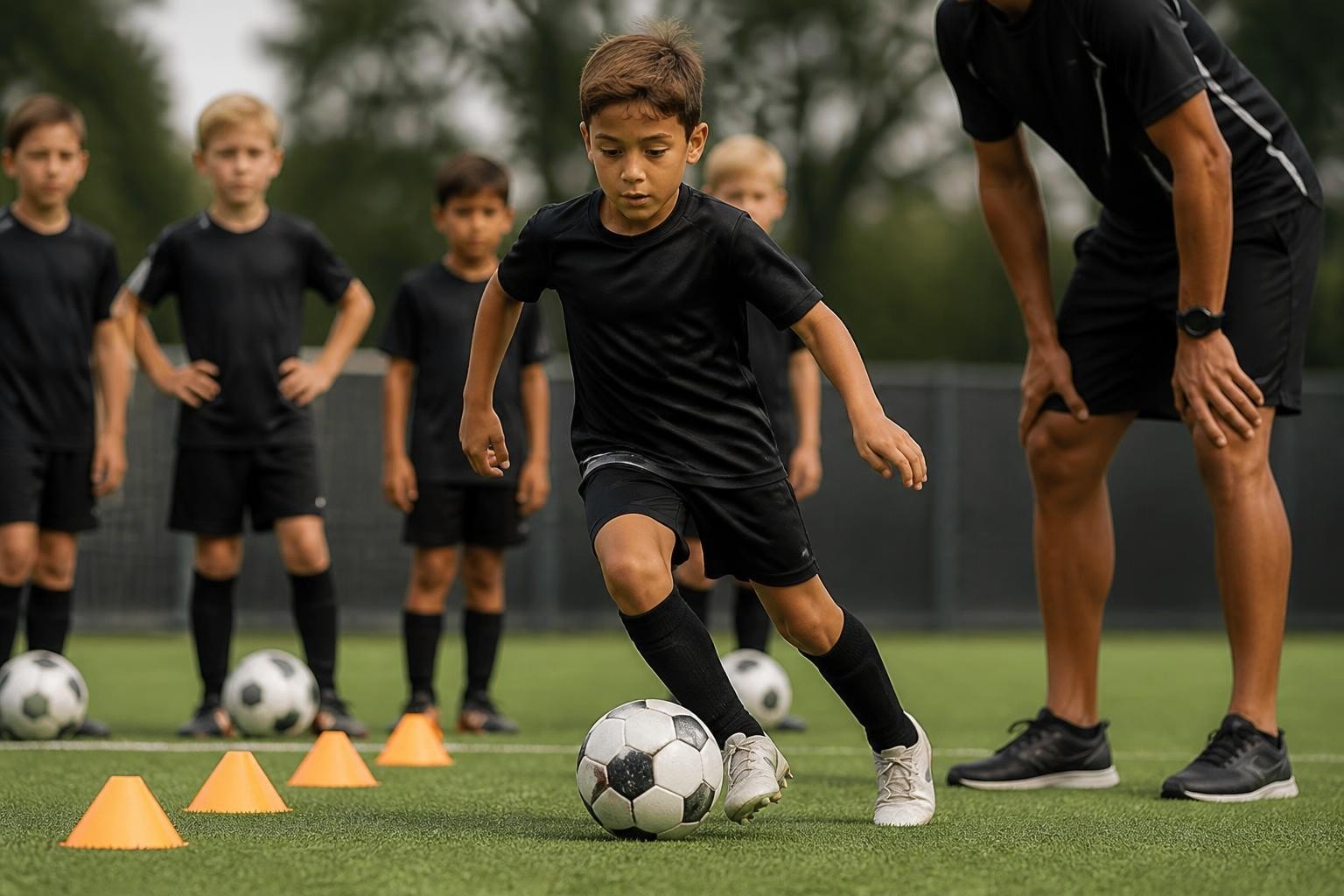
Choosing the right soccer player academy can transform your child's athletic journey and shape their future both on and off the field. As youth soccer continues to grow across North America, parents face an increasingly complex landscape of training options, each promising to unlock their child's potential. A quality soccer player academy does more than teach passing and shooting-it provides a comprehensive development environment that addresses technical mastery, tactical understanding, physical conditioning, and mental resilience. Understanding what distinguishes exceptional academies from average programs empowers families to make informed decisions that align with their young athlete's goals and values.
The Four Pillars of Academy Development
Modern soccer player academy programs have evolved beyond simple skill repetition. The most effective academies structure their training around four interconnected pillars that mirror European academy methodologies proven to develop world-class talent.
Technical Excellence as Foundation
Technical skills form the bedrock of every successful soccer player. A comprehensive soccer player academy dedicates significant training time to ball mastery, first touch development, passing accuracy, and shooting technique. These fundamentals aren't taught in isolation but integrated into dynamic, game-realistic scenarios that challenge players to execute under pressure.
Key technical areas include:
- Ball control with both feet in tight spaces
- Passing accuracy across varying distances
- Shooting technique from multiple angles
- Dribbling moves to beat defenders
- Receiving skills under defensive pressure
Players who develop superior technical abilities gain confidence that translates directly to match performance. The repetition required for technical mastery demands patience, but quality academies make this process engaging through progressive challenges and immediate feedback.

Tactical Intelligence Separates Good from Great
While technical skills get players noticed, tactical awareness determines their long-term success. A soccer player academy that prioritizes tactical development teaches players to read the game, anticipate opponent movements, and make intelligent decisions in split seconds. This cognitive aspect of soccer often receives less attention than physical skills, yet it represents the difference between recreational and elite-level play.
Tactical training encompasses positional understanding, formation flexibility, and transition play. Players learn when to press, when to hold shape, and how to exploit spaces opponents leave vulnerable. Success stories from established academies frequently highlight tactical intelligence as the attribute that elevated players to professional contracts.
| Tactical Component | Youth Focus | Advanced Application |
|---|---|---|
| Positioning | Understanding basic zones | Reading opponent formations |
| Decision-making | When to pass vs. dribble | Recognizing tactical patterns |
| Team shape | Maintaining formation | Adapting to game situations |
| Transition play | Quick attack/defense switch | Exploiting numerical advantages |
Physical Development Tailored to Age
Physical training in a soccer player academy must balance immediate performance gains with long-term athletic development. Responsible programs recognize that young athletes aren't simply smaller versions of professionals-they require age-appropriate conditioning that builds capacity without risking injury or burnout.
Age-Specific Conditioning Approaches
Youth players benefit most from training that emphasizes coordination, agility, and movement literacy rather than pure strength or endurance. Before puberty, soccer player academy sessions should focus on developing a broad athletic base through varied activities that improve balance, coordination, and spatial awareness.
Developmental stages require different emphasis:
- Ages 6-9: Movement exploration, basic coordination, fun-based activities
- Ages 10-12: Speed, agility, introduction to structured fitness
- Ages 13-15: Strength foundation, aerobic capacity, power development
- Ages 16+: Sport-specific conditioning, advanced strength training, recovery protocols
The Soccer High Performance Training approach demonstrates how high-intensity sessions can be structured to challenge players physically while simultaneously developing technical and tactical skills. These 90-minute sessions integrate conditioning seamlessly into competitive drills rather than separating fitness from soccer-specific work.
Progressive physical development reduces injury risk while preparing players for the demands of competitive soccer. A quality soccer player academy monitors growth patterns, adjusts training loads accordingly, and educates players about nutrition, hydration, and recovery strategies that support optimal performance.
Psychological Growth Creates Resilient Athletes
The psychological dimension of soccer player academy training often determines which talented players reach their potential and which plateau prematurely. Mental skills like resilience, focus, confidence, and emotional regulation can be systematically developed just like physical abilities.
Building Mental Toughness Through Challenge
Elite academies create controlled adversity that teaches players to perform under pressure, recover from mistakes, and maintain composure when stakes are high. This doesn't mean berating or discouraging young athletes-instead, it involves designing training scenarios that stretch comfort zones while providing support and constructive feedback.
Players develop psychological resilience through:
- Competing in high-pressure game situations
- Receiving honest, growth-oriented feedback
- Setting and pursuing challenging goals
- Learning from both victories and defeats
- Managing performance anxiety constructively
Character development extends beyond the field. A comprehensive soccer player academy instills values like discipline, teamwork, accountability, and respect that serve players throughout their lives regardless of whether they pursue professional careers.
Coaching Quality Makes the Difference
The expertise and commitment of coaching staff fundamentally determines a soccer player academy's effectiveness. Parents should investigate coach credentials, playing backgrounds, and ongoing professional development when evaluating programs.
Licensing and Continuous Education
Fully licensed coaches bring structured methodologies, age-appropriate training progressions, and evidence-based teaching strategies to their sessions. Licensing systems like Canada Soccer's pathway from Grassroots to National A certification ensure coaches understand player development stages and can design effective training environments.
| License Level | Focus Area | Typical Coaching Role |
|---|---|---|
| Grassroots | Introduction to coaching | Recreational programs |
| Youth | Age-specific development | Competitive youth teams |
| B License | Advanced tactics | Elite youth, semi-pro |
| A License | Professional methodology | High-performance academy |
Beyond credentials, exceptional coaches demonstrate genuine care for player development, communicate effectively with both athletes and parents, and create inclusive environments where every player feels valued. The early success principles implemented by top academies consistently emphasize coaching quality as their most critical success factor.
Pathway Development and Opportunities
A soccer player academy should provide clear pathways that match varying levels of commitment and ability. Not every player aims for professional soccer, and quality programs recognize this reality by offering appropriate opportunities for different aspirations.
Creating Realistic Progression Routes
Transparent pathway systems help families understand what advancement looks like within an academy structure. Some players may progress to collegiate soccer, others to semi-professional or professional contracts, while many simply want to compete at the highest youth level their abilities allow.
Typical academy pathways include:
- Recreational development programs
- Competitive travel teams
- High-performance training groups
- Showcase and tournament participation
- College recruitment support
- Professional academy partnerships
The success stories from Tormenta FC Academy illustrate how structured progression systems help players advance to collegiate and professional levels. Similarly, Sacramento Republic FC’s Youth Development Academy has established clear pathways that have produced professional players and collegiate athletes.
Parents should ask soccer player academy representatives about alumni success, college placement rates, and professional contracts signed. These metrics provide objective evidence of pathway effectiveness beyond marketing claims.
Training Philosophy and Methodology
Understanding an academy's training philosophy helps parents determine whether a program aligns with their values and their child's learning style. Different soccer player academy programs emphasize varying approaches, from highly structured European models to more creative, player-led development systems.
European-Style Development Models
European academies have historically produced the world's best players through methodologies that emphasize technical excellence, tactical sophistication, and intelligent decision-making. These approaches typically feature:
- Small-sided games that maximize touches and decisions
- Position-specific training for specialized development
- Integrated technical and tactical sessions
- Emphasis on both-footed ability
- Early exposure to competitive match scenarios
Programs that adopt European principles while adapting them to North American contexts often achieve excellent results. The key lies in maintaining core development principles while recognizing cultural and structural differences between soccer landscapes.
Player-Centered Learning Environments
The most effective soccer player academy programs balance structured instruction with opportunities for creative expression and problem-solving. Player-centered approaches encourage athletes to think critically, make decisions independently, and develop soccer intelligence rather than simply following instructions.
This methodology doesn't mean coaches step back entirely-instead, they guide learning through thoughtful questioning, create scenarios that require decision-making, and provide feedback that develops understanding rather than dependence.
Facility Quality and Training Resources
While coaching quality matters most, facility standards and training resources significantly impact the academy experience. Parents should evaluate field conditions, equipment availability, goalkeeper-specific facilities, strength and conditioning spaces, and indoor training options for inclement weather.
Premium facilities demonstrate organizational commitment to player development. However, some excellent soccer player academy programs operate with modest facilities but compensate through coaching excellence and creative training design. The balance between facilities and instruction varies, but neither should be entirely absent.
Essential facility considerations:
- Field surface quality and maintenance
- Appropriate field sizes for age groups
- Goal and equipment conditions
- Changing room and parent viewing areas
- Weather contingency plans
- Safety protocols and medical support
Program Structure and Training Volume
Training frequency, session duration, and seasonal structure all influence player development rates. A soccer player academy should provide sufficient training volume to drive improvement without overwhelming young athletes or preventing participation in other activities.
Balancing Development and Well-Being
Research consistently shows that early specialization and excessive training volumes increase injury risk and burnout while potentially limiting long-term development. Quality programs structure training loads appropriately for each age group, encourage multi-sport participation for younger players, and monitor fatigue indicators carefully.
| Age Group | Recommended Weekly Hours | Session Focus |
|---|---|---|
| U8-U10 | 3-4 hours | Fun, exploration, basic skills |
| U11-U12 | 4-6 hours | Skill refinement, small-sided games |
| U13-U14 | 6-8 hours | Tactical understanding, position work |
| U15+ | 8-12 hours | Match preparation, specialized training |
Beyond scheduled sessions, a soccer player academy should provide resources for independent practice while educating players and families about appropriate training volume. Young players like Rhea Moore who reach professional levels typically demonstrate commitment to extra training, but this develops naturally from passion rather than external pressure.
Cost Considerations and Value Assessment
Soccer player academy programs vary dramatically in cost, from accessible community-based options to premium academies charging several thousand dollars annually. Understanding what drives these differences helps families assess value relative to their budget and objectives.
Understanding Fee Structures
Academy fees typically cover coaching salaries, facility rental, equipment, league registrations, tournament entries, and administrative costs. Premium programs may include additional services like strength and conditioning coaching, sports psychology support, video analysis, and showcase event participation.
Common fee components include:
- Base training fees (sessions throughout season)
- League or competition registration
- Tournament participation costs
- Uniform and equipment requirements
- Travel expenses for away competitions
- Additional training opportunities (camps, clinics)
Parents should request detailed fee breakdowns and ask about financial assistance options. Many quality soccer player academy programs offer scholarships or payment plans to increase accessibility. Cost doesn't always correlate with quality-some moderately priced programs deliver exceptional coaching and development environments.
Parent Involvement and Communication
The relationship between academy staff and families significantly impacts player experience and development outcomes. A quality soccer player academy establishes clear communication channels, sets appropriate expectations for parent involvement, and creates partnership rather than transactional relationships.
Supporting Development Without Overstepping
Parents play crucial roles in supporting their young athletes through encouragement, logistical support, and emotional guidance. However, over-involvement in technical coaching decisions or excessive pressure to perform can undermine academy objectives and damage player enjoyment.
Effective programs educate parents about their role, provide regular development updates, and create opportunities for involvement that enhance rather than complicate the training environment. Understanding how legendary players like Lionel Messi developed reveals that parental support combined with quality coaching created optimal conditions for growth.
Performance Assessment and Feedback Systems
Regular, constructive feedback helps players understand their current abilities, identify improvement areas, and track progress over time. A soccer player academy should implement systematic assessment processes that inform both coaching decisions and player development plans.
Data-Driven Development Tracking
Modern academies increasingly utilize performance data to complement coaching observations. Frameworks like PlayeRank demonstrate how data analytics can evaluate player performance across multiple dimensions, providing objective insights that enhance subjective coaching assessments.
Assessment systems should measure:
- Technical skill proficiency across key areas
- Tactical understanding and decision-making quality
- Physical fitness markers appropriate to age
- Psychological attributes like coachability and resilience
- Match performance in competitive situations
Feedback delivery matters as much as assessment accuracy. Quality programs communicate progress through regular player meetings, written development reports, and parent conferences that clarify expectations and celebrate achievements while identifying growth opportunities.
Cultural Environment and Team Values
The culture within a soccer player academy shapes player experiences profoundly. Programs that cultivate positive, inclusive environments where mistakes are learning opportunities and effort receives recognition tend to retain players longer and achieve better development outcomes.
Building Positive Team Culture
Strong academy cultures don't emerge accidentally-they result from intentional leadership, clearly articulated values, and consistent reinforcement through words and actions. Parents should observe training sessions, speak with current families, and assess whether the environment aligns with their values before committing.
Cultural indicators include how coaches interact with players during challenging moments, whether playing time policies are transparent and fair, how diverse players and families are welcomed, and whether competition between teammates remains healthy rather than destructive.
Programs like those described in competitive youth organizations often emphasize character development alongside athletic achievement, recognizing that the vast majority of players will eventually value lessons learned through sport more than trophies won.
Making Your Academy Decision
Selecting the right soccer player academy requires balancing multiple factors including coaching quality, training philosophy, facility standards, cost, location, and cultural fit. No program perfectly satisfies every criterion, so families must prioritize elements most important to their situation.
Decision-making framework:
- Visit multiple academies during actual training sessions
- Request trial sessions or evaluation opportunities
- Interview coaching staff about philosophy and methods
- Speak with current academy families about their experiences
- Review alumni success stories and progression pathways
- Assess whether the program matches your child's current ability and goals
- Consider logistical factors like training schedule and location
Trust your observations and your child's input. The best soccer player academy for your family is one where your young athlete feels challenged, supported, and excited to train-where growth happens holistically rather than just on the field.
Selecting a soccer player academy represents one of the most important decisions in your child's athletic journey, requiring careful evaluation of coaching quality, training philosophy, and developmental approach. The right program provides comprehensive development across technical, tactical, physical, and psychological dimensions while fostering character and life skills that extend far beyond soccer. Strive Soccer Academy brings European-style training methodology to Surrey, BC, with fully licensed Canada Soccer coaches dedicated to developing the complete player through structured, age-appropriate programming that builds both skills and character.


