
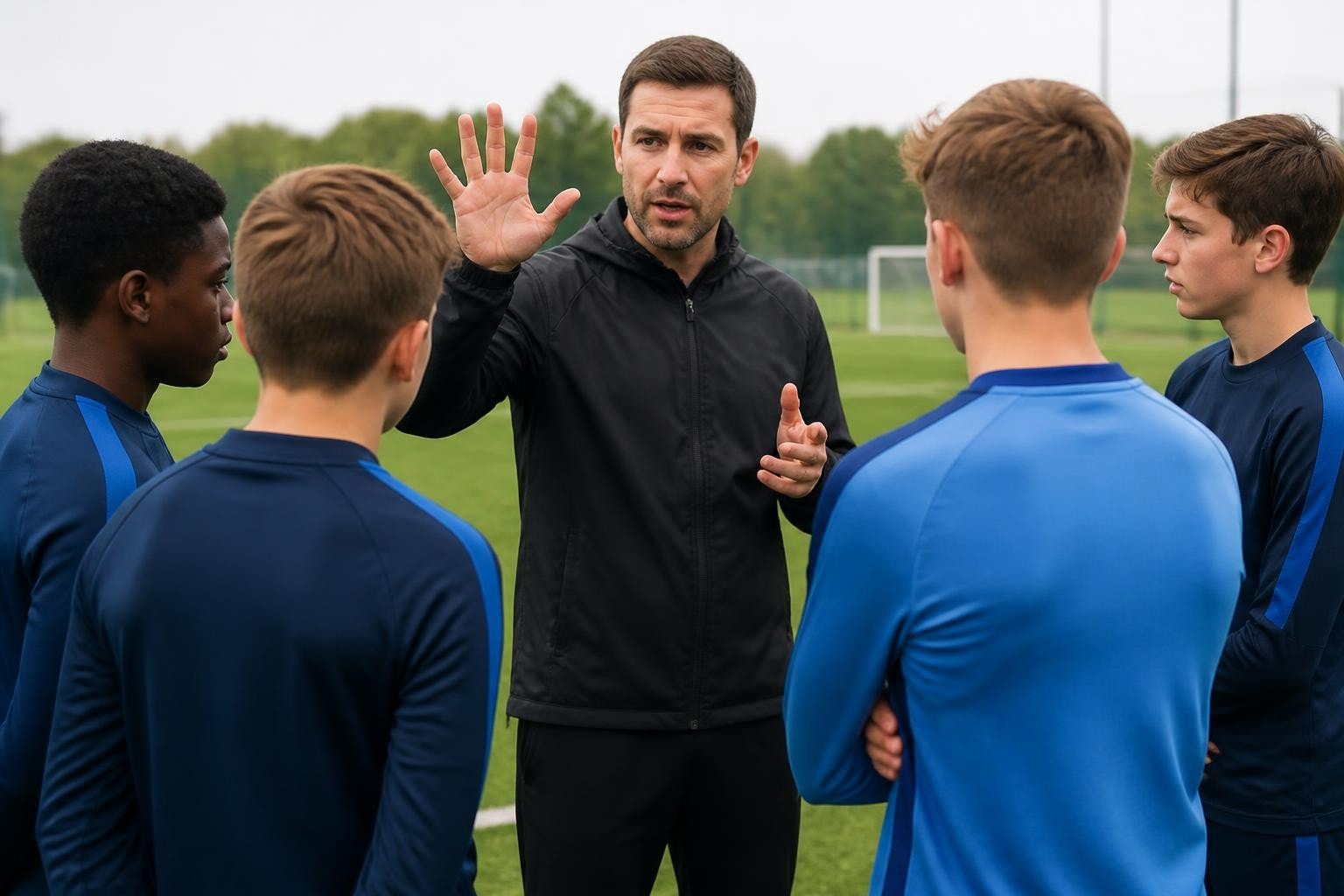
The landscape of soccer coaching has evolved dramatically over the past two decades. What once relied heavily on repetitive drills and authoritative instruction has transformed into a sophisticated, player-centered approach that develops well-rounded athletes capable of excelling at every level. Modern coaching methodologies emphasize holistic development across technical, tactical, physical, and psychological domains, creating players who don't just execute skills but understand the game deeply and perform under pressure. For parents and aspiring coaches seeking to understand what separates exceptional programs from ordinary ones, grasping these contemporary principles is essential to making informed decisions about player development.
The Four Pillars of Modern Soccer Coaching
Effective soccer coaching rests on four interconnected pillars that address every aspect of player development. These domains work synergistically to create complete players who thrive in competitive environments.
Technical Development
Technical proficiency forms the foundation of every successful player's skill set. This pillar encompasses ball mastery, passing accuracy, receiving technique, shooting mechanics, and dribbling ability. Contemporary coaching approaches emphasize deliberate practice in game-realistic contexts rather than isolated drills divorced from match situations.
Key technical components include:
- First touch quality under varying degrees of pressure
- Passing execution with both feet across all distances
- Dribbling in tight spaces and at speed
- Shooting technique from multiple angles and distances
- Heading ability for both defensive and offensive situations
- 1v1 defending and attacking skills
Research published in the Sport for Life framework demonstrates that age-appropriate technical training aligned with Long-Term Athlete Development principles produces better outcomes than one-size-fits-all approaches. Coaches must calibrate technical challenges to match developmental stages, ensuring players build competence progressively without experiencing premature specialization.

Tactical Intelligence
While technical skills enable players to execute, tactical understanding determines when and how to apply those skills effectively. Tactical development in soccer coaching involves teaching players to read the game, make intelligent decisions, and understand positional responsibilities within various systems.
Modern tactical education moves beyond rote memorization of formations. Instead, it focuses on developing decision-making frameworks through guided discovery and constrained games. Players learn principles rather than rigid rules, enabling them to adapt to dynamic match situations.
| Tactical Component | Youth Focus | Advanced Focus |
|---|---|---|
| Positioning | Space awareness, basic shape | Complex rotations, situational adjustments |
| Decision-making | When to pass vs. dribble | Third-man runs, off-ball movement patterns |
| Transition play | Quick recovery, simple restarts | Coordinated pressing, counter-attack execution |
| Set pieces | Basic positioning | Specialized roles, pattern variations |
The UEFA coaching framework emphasizes that tactical development should progress from individual actions to small group combinations before introducing full team tactics. This scaffolded approach ensures players understand the "why" behind tactical decisions, not just the "what."
Physical Conditioning
Physical development in soccer coaching extends far beyond simple fitness. It encompasses coordination, agility, speed, strength, power, and endurance, all calibrated to the demands of modern soccer. Youth coaches must balance physical development with injury prevention, recognizing that young athletes have different needs than professionals.
Age-appropriate physical development priorities:
- Ages 6-9: Fundamental movement skills, coordination, and agility
- Ages 10-12: Speed development, continued coordination, introduction to strength concepts
- Ages 13-16: Explosive power, position-specific conditioning, structured strength training
- Ages 17+: Advanced strength programs, peak performance protocols, recovery optimization
Evidence from a systematic review of the FIFA 11+ program shows that structured warm-up protocols significantly reduce injury rates while improving performance markers. Smart soccer coaching integrates injury prevention directly into training sessions rather than treating it as a separate concern. Additionally, a cluster randomized trial demonstrated that age-appropriate injury prevention programs like FIFA 11+ Kids reduced injury rates in youth players, validating the importance of evidence-based physical preparation.
Psychological Growth
Perhaps the most overlooked aspect of soccer coaching involves psychological development. Mental skills, emotional regulation, confidence building, and resilience training determine whether talented players reach their potential or plateau prematurely. Effective coaches create environments that challenge players appropriately while supporting their psychological wellbeing.
Psychology in soccer coaching addresses several critical areas. Growth mindset cultivation helps players view mistakes as learning opportunities rather than failures. Confidence building through mastery experiences creates athletes who perform their best when stakes are highest. Emotional regulation skills enable players to maintain composure during high-pressure moments.
The principles of good assessment practice outlined by U.S. Soccer emphasize that constructive feedback delivered thoughtfully supports psychological development while enhancing technical improvement. Coaches who understand how to balance challenge with support create the optimal environment for psychological growth.
Creating Effective Training Sessions
Quality soccer coaching manifests most clearly in well-designed training sessions that maximize learning time while maintaining player engagement. The best sessions seamlessly integrate all four development pillars into cohesive activities that replicate game demands.
Session Structure and Flow
Professional session design follows a logical progression that prepares players physically and mentally for peak performance. Each phase serves specific purposes while building toward the main training objective.
Optimal session structure:
- Warm-up (15 minutes): Dynamic movement, injury prevention exercises, ball mastery
- Technical focus (20 minutes): Deliberate practice of specific skills in controlled contexts
- Tactical application (25 minutes): Small-sided games emphasizing session theme
- Game play (25 minutes): Full-sided or large-sided games applying all skills
- Cool-down (5 minutes): Static stretching, reflection, feedback
This structure ensures players receive appropriate technical instruction while spending substantial time in game-realistic situations where they must apply skills under pressure. For coaches looking to develop comprehensive soccer training sessions, this framework provides a reliable template adaptable to any training objective.
Game-Based Learning Approaches
Contemporary soccer coaching has shifted dramatically toward game-based methodologies that embed skill development within competitive, realistic scenarios. Rather than teaching skills in isolation before applying them in games, modern approaches introduce concepts through carefully designed small-sided games that highlight specific learning objectives.
Small-sided games offer numerous advantages over traditional drill-based training. They provide more touches per player, create authentic decision-making scenarios, increase physical intensity, and maintain higher engagement levels. By manipulating field dimensions, player numbers, and rules, coaches can emphasize particular technical or tactical elements while preserving the game's essential character.
| Game Format | Primary Benefits | Best Used For |
|---|---|---|
| 3v3 | Maximum touches, constant involvement | Technical development, 1v1 skills |
| 5v5 | Tactical combinations, transition play | Position-specific training, passing patterns |
| 7v7 | Team shape, wider tactical concepts | System introduction, coordinated defending |
| 9v9 | Full tactical complexity, positional play | Advanced tactical development |
Programs that emphasize small-sided games create environments where players develop technical skills and tactical understanding simultaneously, accelerating overall development compared to traditional methods.
Coaching Different Age Groups
Effective soccer coaching requires deep understanding of developmental stages and age-appropriate training methodologies. What works for teenagers often proves ineffective or even counterproductive for younger players, making age-specific knowledge essential for coaching success.
Youth Development Principles
When coaching youth soccer, the primary objective shifts from winning to holistic development. Young players need environments that prioritize skill acquisition, game understanding, and love for the sport over short-term competitive results.
Essential youth coaching principles include:
- Maximizing touches and active learning time for every player
- Emphasizing technical development during peak learning windows
- Teaching through questioning and guided discovery rather than lecturing
- Ensuring appropriate challenge levels that build confidence through achievable goals
- Creating psychologically safe environments where mistakes are celebrated as learning opportunities
- Balancing structure with creativity and self-expression
The FA’s youth development criteria provides valuable guidance on establishing developmentally appropriate programs that prioritize player welfare while pursuing excellence. These standards ensure coaching practices align with best practices in child development and athlete wellbeing.
Adolescent and Advanced Player Development
As players mature physically and cognitively, soccer coaching must evolve to address increasingly sophisticated technical demands and tactical complexities. Adolescent players can handle more intricate tactical systems, benefit from specialized position training, and require more intensive physical conditioning programs.
For programs offering soccer high performance training, the focus shifts toward preparing players for competitive environments where technical excellence, tactical sophistication, and mental toughness separate good players from exceptional ones. These high-intensity environments challenge players to execute skills at speed under pressure while maintaining decision-making quality.
Advanced player development also requires greater attention to individual needs. Position-specific training becomes essential as players specialize. Goalkeepers need dedicated technical work distinct from field players. Defenders require different tactical education than forwards. Midfielders must develop the broadest skill sets to function effectively in transitional moments.
Communication and Coaching Philosophy
Beyond technical knowledge and session design, exceptional soccer coaching hinges on effective communication and a coherent, well-articulated coaching philosophy. How coaches interact with players, parents, and fellow staff members profoundly impacts program culture and player development outcomes.
Developing Your Coaching Voice
Effective communication in soccer coaching varies based on context, audience, and developmental stage. Coaches must adapt their communication style to match player needs while maintaining consistency in core messages and expectations.
Communication strategies for different scenarios:
- Individual feedback: Specific, actionable, focused on one or two key points
- Group instruction: Clear, concise, ensures understanding through questioning
- In-game coaching: Positive, encouraging, emphasizes effort and decision-making process
- Parent communication: Transparent, professional, focused on long-term development
The most effective coaches balance constructive criticism with genuine encouragement. They recognize and celebrate progress while maintaining high standards that push players toward continuous improvement. This delicate balance creates environments where players feel supported yet challenged to reach their potential.
Building a Coherent Philosophy
Every successful soccer coaching program operates from a clear, consistent philosophy that guides decision-making across all levels. This philosophy should articulate core values, developmental priorities, playing style preferences, and success metrics that extend beyond win-loss records.
A robust coaching philosophy addresses several key questions. What technical skills receive priority at each age group? What tactical system or principles guide team play? How does the program balance competitive success with individual development? What character traits and behaviors does the program cultivate?
Coherent philosophy ensures all coaches within an organization work toward common objectives using compatible methodologies. Players experience consistency as they progress through age groups, building upon previous learning rather than relearning different systems with each new coach. Parents understand what the program stands for and can make informed decisions about whether it aligns with their values and objectives for their children.
Continuous Coach Development
The best soccer coaching professionals recognize that their education never ends. The game evolves constantly, with new tactical innovations, training methodologies, sports science insights, and technological tools emerging regularly. Commitment to ongoing learning separates exceptional coaches from those who stagnate.
Formal Education and Licensing
Professional coaching credentials provide structured pathways for developing coaching competence across technical, tactical, and pedagogical domains. Organizations like Canada Soccer, U.S. Soccer, and UEFA offer tiered licensing systems that progressively build coaching expertise.
Formal licensing programs cover essential topics including session planning, player assessment, age-appropriate training methods, injury prevention, and psychological development. They provide frameworks for understanding player development while offering practical tools coaches can implement immediately.
Beyond initial certification, advanced licenses introduce sophisticated tactical concepts, periodization principles, talent identification methodologies, and program management skills. These advanced credentials prepare coaches for high-level positions where strategic vision and organizational leadership matter as much as technical knowledge.
Informal Learning Opportunities
While formal licensing provides foundational knowledge, informal learning opportunities often generate the most practical insights. Observing other coaches, analyzing professional matches, reading coaching literature, participating in online communities, and experimenting with new methods all contribute to coaching development.
Many successful coaches maintain learning journals where they document session plans, reflect on what worked or didn't, and track player progress over time. This reflective practice transforms experience into expertise by systematically analyzing outcomes and adjusting approaches based on evidence.
Mentorship relationships with experienced coaches accelerate development for newcomers. Mentors provide context-specific guidance, share hard-won wisdom, and help younger coaches avoid common pitfalls. The best coaching cultures formalize these relationships, pairing experienced staff with developing coaches in structured mentorship programs.
Measuring Success in Soccer Coaching
Defining and measuring success presents unique challenges in soccer coaching, particularly within youth development contexts where immediate results often conflict with long-term player development objectives. Sophisticated programs employ multidimensional success metrics that capture the full scope of their impact.
Beyond Wins and Losses
While competitive results matter, especially at advanced levels, they provide incomplete pictures of coaching effectiveness. A team might win consistently while employing tactics that limit individual development. Conversely, a team focused on proper development might lose games in the short term while building foundations for future success.
Comprehensive success metrics include:
- Technical skill progression measured through standardized assessments
- Tactical understanding demonstrated in game situations
- Physical development tracked through age-appropriate fitness testing
- Psychological growth reflected in player confidence and resilience
- Player retention and satisfaction rates
- Advancement to higher competitive levels
- Enjoyment and continued participation in soccer
Quality programs establish clear benchmarks for each metric and track progress systematically. They communicate these alternative success measures to parents, helping them understand that short-term competitive results don't necessarily indicate quality player development.
Long-Term Player Outcomes
The ultimate test of soccer coaching quality emerges years after initial training. Do players continue competing at higher levels? Do they maintain love for the game? Do they credit their early experiences with teaching valuable life lessons beyond soccer?
Programs genuinely committed to player development celebrate these long-term outcomes as their primary success measures. They track alumni progression, maintain relationships with former players, and use long-term outcome data to refine their approaches continuously.
For parents evaluating programs, examining where previous players have progressed provides valuable insight into coaching quality. Programs with strong track records of players advancing to college soccer, professional academies, or simply maintaining lifelong love for the game demonstrate effectiveness beyond any single season's results.
Exceptional soccer coaching integrates technical expertise, tactical knowledge, physical science, and psychological insight into comprehensive programs that develop complete players and passionate, resilient individuals. Whether you're a parent seeking the right environment for your child or a coach looking to refine your practice, understanding these modern principles helps you identify truly developmental programs. Strive Soccer Academy brings this European-style, holistic approach to Surrey, BC, with fully licensed Canada Soccer coaches who focus on technical, tactical, physical, and psychological growth. Our programs create real opportunities for young athletes to develop skills, build character, and reach their potential both on and off the field.


