
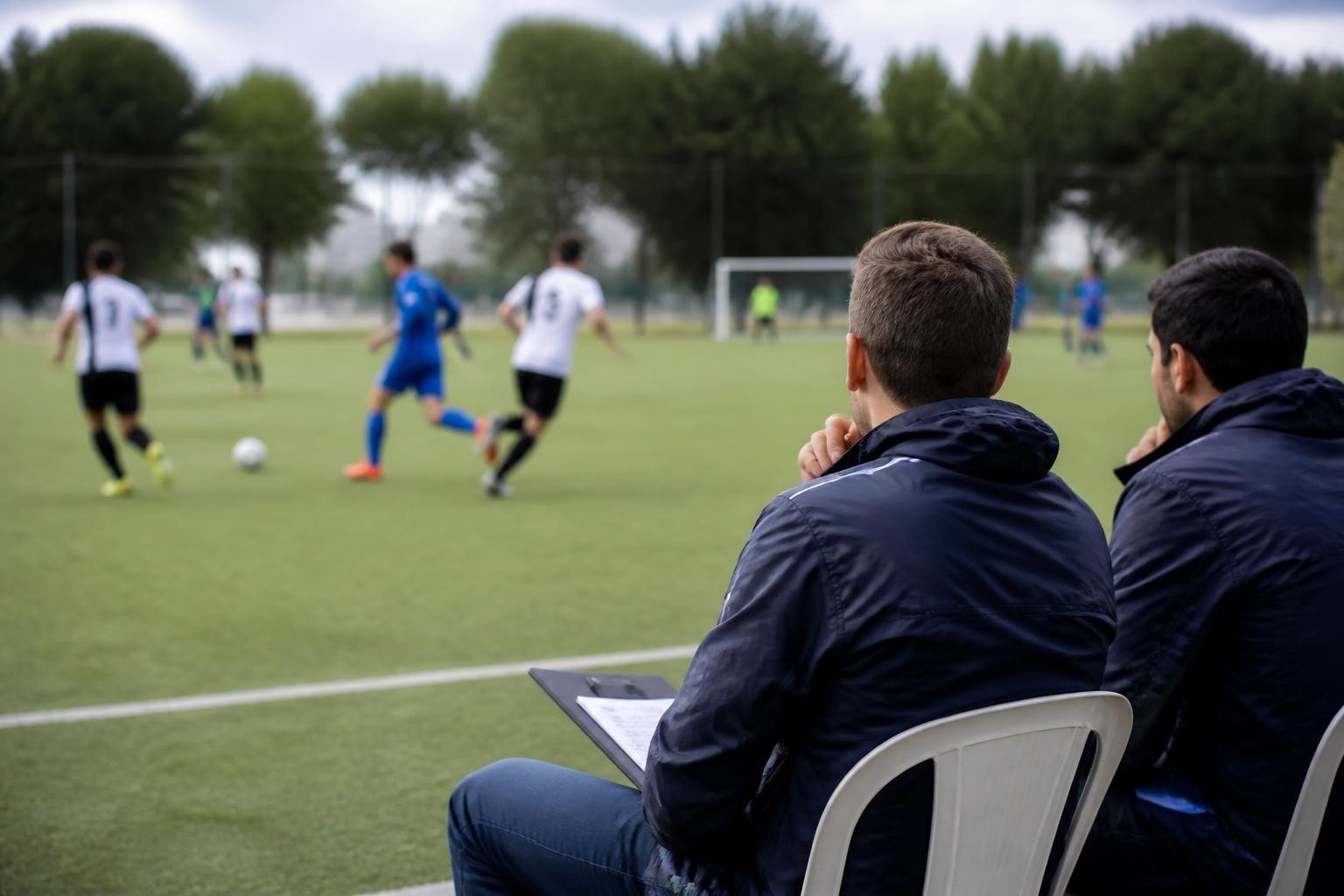
Soccer academy tryouts represent a pivotal moment in a young athlete's development journey. For parents and players alike, these selection events can feel overwhelming, filled with uncertainty about expectations, evaluation criteria, and how to prepare. Understanding what coaches look for, how tryouts are structured, and the steps to take beforehand can transform anxiety into confidence. Whether your child is attending their first academy tryout or aiming to advance to a higher competitive level, proper preparation makes all the difference in showcasing their true potential.
Understanding the Academy Tryout Landscape
Soccer academy tryouts have evolved significantly over the past decade. Modern selection processes draw from systematic talent identification frameworks that balance observable skills with long-term development potential. Unlike recreational team tryouts, academy evaluations assess players across multiple dimensions, looking beyond immediate performance to identify coachable athletes who can grow within a structured development program.
The competitive landscape varies by region and academy philosophy. Some programs conduct single-day assessment sessions, while others run multi-week trial periods. U.S. Soccer’s Talent Identification Centers demonstrate how national federations structure systematic player evaluation, using standardized protocols that assess technical proficiency, game intelligence, and athletic capacity.
What Coaches Evaluate During Tryouts
Academy coaches assess four primary development pillars during soccer academy tryouts: technical ability, tactical understanding, physical attributes, and psychological characteristics. Each component carries weight in the final selection decision, though priorities may shift based on age group and program objectives.
Technical evaluation focuses on:
- First touch quality and ball control under pressure
- Passing accuracy and range with both feet
- Dribbling effectiveness in tight spaces
- Striking technique and finishing composure
- Defensive positioning and tackling timing
Research shows that college coaches prioritize different attributes when identifying talent, with technical proficiency consistently ranking among the top criteria. However, technical skills alone rarely guarantee selection. Coaches observe how players apply these skills in game-realistic scenarios, evaluating decision-making speed and execution quality simultaneously.

Preparing Your Player for Success
Preparation for soccer academy tryouts should begin weeks, not days, before the scheduled event. Physical conditioning, technical refinement, and mental readiness all require dedicated attention. Players who arrive well-prepared demonstrate professionalism that coaches notice immediately.
Technical Training Focus Areas
The months leading up to tryouts offer valuable time to address technical weaknesses and reinforce strengths. Dedicated soccer skills training provides structured environments where players receive targeted feedback on specific techniques. Focus on developing comfort with both feet, as two-footed ability significantly expands a player's tactical versatility.
Ball mastery should become daily routine. Simple exercises performed consistently yield better results than sporadic intensive sessions. Wall passes, cone dribbling patterns, and juggling variations build touch confidence that translates directly to tryout performance.
| Training Component | Weekly Frequency | Duration | Focus Area |
|---|---|---|---|
| Ball mastery drills | 5-6 days | 20-30 min | First touch, close control |
| Passing technique | 3-4 days | 30 min | Both feet, various distances |
| Finishing practice | 2-3 days | 20 min | Accuracy, composure |
| Speed & agility | 3 days | 30 min | Acceleration, direction changes |
Physical Conditioning Strategies
Physical preparation extends beyond cardiovascular fitness. Academy coaches assess movement efficiency, agility, and body control. Conditioning programs for soccer should incorporate sport-specific movements that mirror game demands.
Interval training builds the anaerobic capacity required for high-intensity efforts during tryout scrimmages. Short sprints with active recovery periods simulate the stop-start nature of soccer more effectively than steady-state running. Include lateral movement drills and change-of-direction exercises that develop the mobility coaches evaluate.
Flexibility and injury prevention deserve equal attention. Dynamic stretching before sessions and static stretching afterward maintain range of motion while reducing injury risk during the physically demanding tryout period.
The Tryout Day Experience
Understanding typical tryout structure helps players mentally prepare for what they'll encounter. Most soccer academy tryouts follow a predictable format, though specific activities vary by program philosophy and available facilities.
Registration and Warm-Up Period
Arrive at least twenty minutes before the scheduled start time. This buffer allows for check-in, uniform distribution if required, and mental preparation. Coaches observe punctuality and professionalism from the moment players enter the facility.
The warm-up period serves dual purposes: physical preparation and initial assessment. Even during seemingly casual dynamic stretching and jogging, evaluators watch movement quality, effort level, and interaction with other participants. Treat every moment as part of the evaluation.
First impression checklist:
- Proper soccer attire and well-maintained equipment
- Positive body language and engaged demeanor
- Respectful communication with coaches and peers
- Focused attention during instruction periods
- Hustle between stations and during transitions
Technical Skills Stations
Most tryouts incorporate rotation through technical assessment stations. These controlled environments allow coaches to observe specific skills with minimal game-situation variables. Stations typically evaluate passing accuracy, ball control, dribbling speed, and striking technique.
Approach each station with maximum effort and concentration. Coaches understand that nervousness affects performance, but they expect players to compete with themselves, striving for quality repetitions. Ask clarifying questions if instructions seem unclear, demonstrating the communication skills valued in team environments.
Small-Sided Games and Tactical Assessment
The small-sided game portion reveals tactical understanding and game intelligence. Coaches watch how players read developing situations, make decisions under pressure, and contribute to team shape. This segment often carries the most weight in final selection decisions.
Demonstrating Tactical Awareness
Position yourself intelligently relative to teammates, opponents, and the ball. Small-sided games create frequent decision-making moments where players must choose between passing, dribbling, or supporting. Quality decisions executed with appropriate technical skill separate academy-level players from recreational competitors.
Communication stands out during competitive play. Verbal cues that help teammates, tactical suggestions, and encouraging words display leadership potential. Even young players can demonstrate soccer intelligence through purposeful communication that improves team performance.
Support play when your team has possession. Movement off the ball creates passing options and demonstrates understanding of spacing concepts. Coaches value players who contribute to build-up play, not just those who score goals.
Physical and Mental Resilience
UEFA’s scouting guidance emphasizes the importance of observing player behavior during adversity. How athletes respond to mistakes, physical challenges, and competitive pressure reveals character traits essential for long-term development.
Maintain effort regardless of game flow. Energy drops late in tryout sessions when fatigue sets in, precisely when dedicated players differentiate themselves. Coaches specifically watch for players who sustain work rate when tired or discouraged.
What Happens After the Tryout
Selection timelines vary by program, with some academies notifying players within days while others take weeks to finalize rosters. Understanding the post-tryout process reduces anxiety during the waiting period.
The Evaluation and Selection Process
Coaching staffs typically convene after completing all tryout sessions to review notes and video footage. Reference materials from U.S. Soccer provide examples of evaluation rubrics and scoring systems many programs adapt for their selection processes.
Decisions balance current ability with projected development trajectory. A player with raw talent and strong coachability might receive selection over a currently more skilled athlete who appears technically maxed out for their age. Academy programs invest in long-term potential, not just immediate performance.
Common selection criteria include:
- Technical proficiency relative to age expectations
- Tactical understanding and decision-making quality
- Physical attributes and athletic potential
- Psychological characteristics (resilience, coachability, attitude)
- Overall fit within program philosophy and team needs
Handling Selection Outcomes
Acceptance into an academy program opens exciting developmental opportunities. Review all program information carefully, understanding training commitments, financial requirements, and competitive expectations. Connect with coaches at the academy to discuss individual development plans and position-specific goals.
Non-selection, while disappointing, provides valuable feedback for continued growth. Request specific evaluation feedback from the coaching staff. Quality programs offer constructive insights that guide future training focus. Many successful players faced initial rejection before finding the right developmental fit.
Age-Appropriate Considerations
Soccer academy tryouts look different across age groups. Understanding age-specific expectations helps parents and players prepare appropriately for each developmental stage.
Youth Development Phases
Younger age groups (U8-U10) emphasize technical foundation and love for the game. Tryouts at this level assess basic ball skills, coachability, and enthusiasm more than tactical sophistication. Coaches seek players with developing coordination who demonstrate willingness to learn.
Pre-adolescent players (U11-U13) face evaluations that increasingly incorporate tactical awareness and game intelligence. Physical development varies dramatically within age groups, so coaches look beyond current size to assess athleticism and movement potential.
Adolescent tryouts (U14+) resemble professional academy assessments. Physical maturity, tactical nuance, and psychological resilience carry significant weight. Players competing at this level should demonstrate position-specific expertise and advanced game understanding.
| Age Group | Primary Focus | Key Attributes | Development Priority |
|---|---|---|---|
| U8-U10 | Technical foundation | Ball control, enthusiasm | Motor skills, enjoyment |
| U11-U13 | Tactical introduction | Decision-making, positioning | Game intelligence |
| U14-U16 | Position specialization | Role-specific skills, maturity | Competitive mindset |
| U17+ | Performance focus | Consistency, leadership | College/pro readiness |
Common Tryout Mistakes to Avoid
Even talented players undermine their chances through preventable errors. Awareness of common pitfalls helps athletes present their best selves during soccer academy tryouts.
Overcomplicating Play
Attempting skills beyond comfort level rarely impresses evaluators. Coaches prefer players who execute simple techniques confidently over those who attempt flashy moves unsuccessfully. Trust fundamental skills and make clean, purposeful plays.
Ball hogging demonstrates poor soccer intelligence. Players who refuse to pass, even when teammates occupy better positions, reveal tactical immaturity. Academy programs value team-oriented players who make the right play regardless of personal statistics.
Negative Body Language
Physical demeanor communicates volumes about mental approach. Dropped shoulders after mistakes, arguing with referees or coaches, or visible frustration signals poor self-regulation. Maintain positive posture and engaged facial expressions throughout the session.
Energy directed toward blaming teammates or making excuses reflects poorly on character. Accept responsibility for errors, reset quickly, and refocus on the next play. Resilience under pressure ranks among the most valued psychological attributes.
Ignoring Coach Feedback
Real-time corrections during tryouts test coachability. Players who implement suggested adjustments demonstrate learning capacity and respect for instruction. Conversely, repeatedly ignoring technical cues or tactical directions raises red flags about developmental potential.
Listen actively when coaches address the group or provide individual feedback. Make eye contact, acknowledge understanding, and apply the guidance immediately. This responsiveness stands out during evaluation discussions.
Parent's Role in the Tryout Process
Parents significantly influence their child's tryout experience, for better or worse. Supportive involvement helps young athletes perform confidently, while excessive pressure creates anxiety that undermines performance.
Pre-Tryout Support
Help your child prepare without creating overwhelming pressure. Facilitate extra training opportunities and provide proper equipment, but avoid constant reminders about tryout importance. Balance encouragement with perspective, emphasizing effort and learning over outcome.
Maintain regular routines in the days before tryouts. Adequate sleep, proper nutrition, and normal family activities reduce stress better than last-minute intensive preparation. Trust the months of training rather than cramming technical work into final days.
During Tryout Day
Arrive on time but avoid hovering. Drop off your player, offer brief encouragement, and create space for them to focus. Resist the temptation to coach from the sidelines or provide continuous feedback between sessions.
Observe quietly if viewing is permitted. Note positive moments to discuss later rather than mistakes to correct. Your child needs to concentrate on coaches' instructions, not parent commentary.
Post-Tryout Conversations
Keep initial post-tryout discussions positive and low-pressure. Ask how your child felt about their performance before offering observations. Listen to their self-assessment, which reveals whether they understand evaluation criteria.
Regardless of selection outcome, emphasize pride in their preparation and effort. Frame the experience as one step in a longer development journey. For players seeking additional resources, programs like Strive’s training sessions offer continued skill development opportunities.
Looking Beyond Single Tryout Events
Soccer academy tryouts represent one pathway among many for player development. Understanding the broader talent development landscape helps families make informed decisions about their investment of time and resources.
Alternative Development Routes
Not every talented player thrives in traditional academy environments. Some athletes develop better through high-performance training camps that provide intensive skill work without year-round commitment. Others benefit from staying with strong club programs that offer excellent coaching in less demanding schedules.
The NCAA recruiting process opens additional pathways for players targeting collegiate soccer. High school and club performances matter more than academy affiliation for many college programs, particularly outside elite Division I environments.
Geographic location influences development options significantly. Players in soccer-rich areas access more academy opportunities but face stiffer competition. Athletes in underserved regions may need creative solutions, combining local training with periodic exposure events to attract scout attention.
Continuous Development Mindset
Elite players share a common characteristic: relentless commitment to improvement regardless of circumstances. Academy acceptance or rejection doesn't define development potential. The coaching methodologies from established soccer nations emphasize long-term athlete development over early selection decisions.
Focus on controllable factors: training consistency, technical refinement, tactical study, and physical development. Players who maintain this growth orientation create opportunities through undeniable skill improvement, regardless of tryout outcomes.
Set process-oriented goals rather than outcome-focused targets. "Improve weak-foot passing accuracy" drives better daily training habits than "make the academy team." Process goals build the capabilities that eventually produce desired outcomes.
Final Preparation Checklist
The week before soccer academy tryouts requires specific preparation to ensure peak performance. Use this comprehensive checklist to cover essential details.
Equipment verification:
- Properly fitting cleats, broken in and comfortable
- Shin guards that provide adequate protection
- Multiple pairs of athletic socks
- Training shirt and shorts in good condition
- Water bottle and healthy snacks
- Rain jacket if weather prediction uncertain
Physical preparation:
- Maintain normal training volume, avoid overtraining
- Ensure 8-10 hours sleep nightly
- Hydrate consistently throughout each day
- Eat balanced meals emphasizing complex carbohydrates
- Address any minor injuries or soreness proactively
Mental readiness:
- Visualize successful performances and positive scenarios
- Review position responsibilities and tactical concepts
- Prepare 2-3 questions to ask coaches if opportunity arises
- Practice positive self-talk and confidence-building statements
- Discuss goals and expectations with parents calmly
Soccer academy tryouts challenge young athletes to demonstrate their skills, soccer intelligence, and character under evaluation pressure. Success requires technical preparation, tactical understanding, physical readiness, and mental composure. Parents who support without overwhelming, and players who prepare comprehensively while maintaining perspective, transform tryouts from anxiety-inducing events into growth opportunities. At Strive Soccer Academy, we develop players across all four pillars, technical, tactical, physical, and psychological, through our European-style training philosophy right here in Surrey, BC. Our fully licensed Canada Soccer coaches create environments where young athletes build the skills and confidence needed to excel at every level of the game.


