
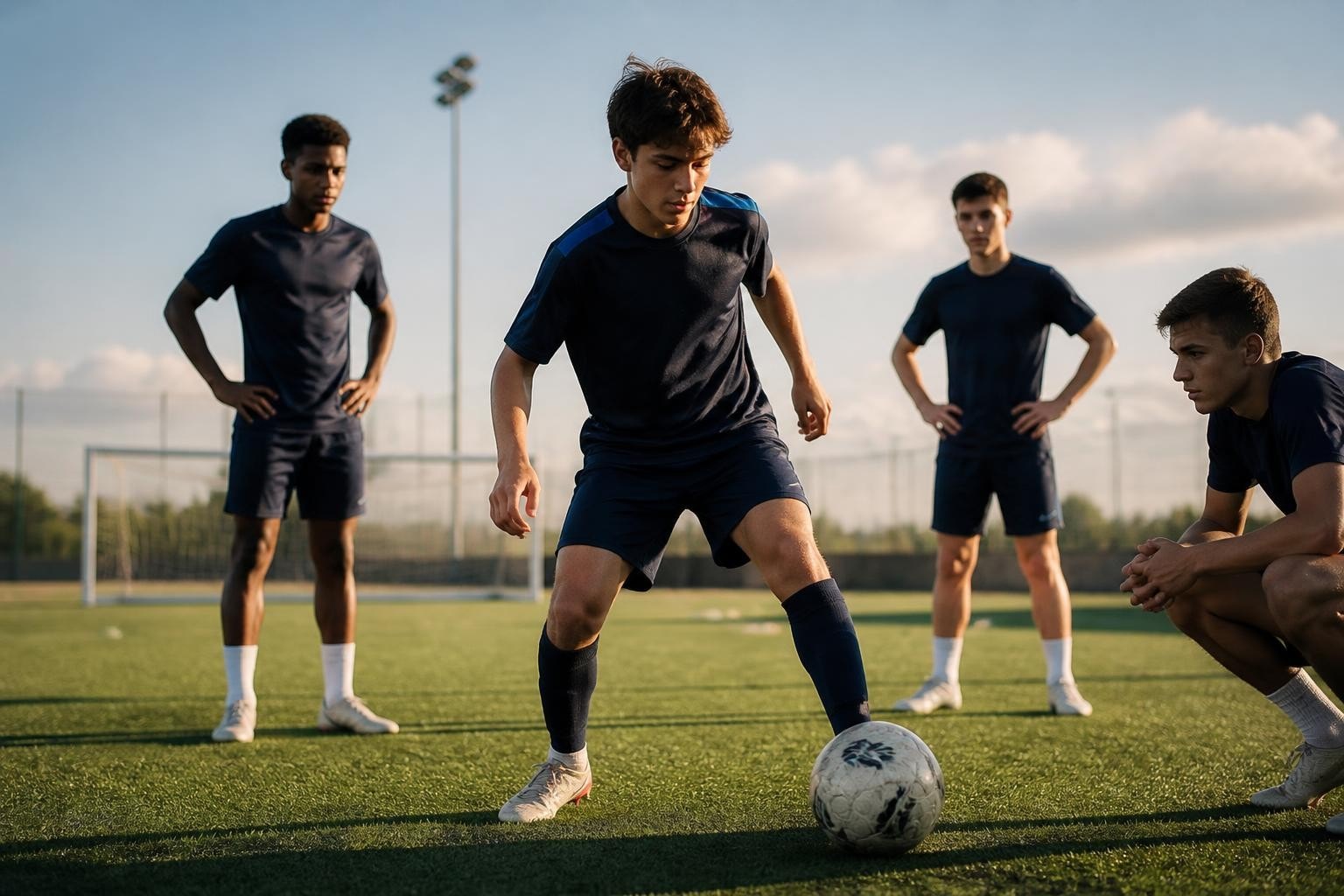
Choosing the right soccer training environment for your child represents one of the most important decisions you'll make as a parent. A higher level soccer academy offers far more than basic skills instruction; it provides a comprehensive development pathway that transforms promising young athletes into confident, capable players ready for competitive success. Understanding what distinguishes elite academies from recreational programs helps families invest their time and resources wisely while setting realistic expectations for the journey ahead.
What Defines a Higher Level Soccer Academy
A higher level soccer academy operates on principles fundamentally different from traditional recreational leagues or casual training programs. These institutions emphasize long-term athlete development rather than short-term wins, building players through structured curricula aligned with international best practices.
The Four-Pillar Development Model
Elite academies structure their training around four interconnected domains that create complete players:
- Technical development: Ball mastery, passing accuracy, first touch, shooting mechanics
- Tactical understanding: Positional awareness, decision-making, game reading, strategic thinking
- Physical preparation: Speed, agility, endurance, strength, injury prevention
- Psychological growth: Mental resilience, confidence, focus, leadership, teamwork
This holistic approach ensures players develop the mental toughness and decision-making skills needed at higher competition levels, not just physical abilities. Research published in lifespan models of athlete development demonstrates that comprehensive, age-appropriate programs significantly outperform single-focus training in producing elite athletes.

Coaching Credentials and Expertise
The quality of instruction separates exceptional academies from mediocre ones. A true higher level soccer academy employs coaches who hold recognized certifications from governing bodies such as Canada Soccer, UEFA coaching licenses, or equivalent credentials.
| License Level | Typical Role | Years of Study |
|---|---|---|
| National A | Academy Directors, Elite Team Coaches | 3-5 years |
| National B | Competitive Team Coaches | 2-3 years |
| Soccer for Life | Development Program Coaches | 1-2 years |
Licensed coaches bring systematic training methodologies, deeper tactical knowledge, and proven player development frameworks. They understand age-appropriate progression, injury prevention, and the psychological aspects of youth development that untrained volunteers often miss.
Age-Appropriate Player Development Pathways
Effective higher level soccer academy programs recognize that nine-year-olds need entirely different training than sixteen-year-olds. Progressive development follows research-backed frameworks that match physical, cognitive, and emotional maturation stages.
The U.S. Soccer Player Development Framework provides comprehensive guidance for structuring age-stage learning plans. This framework emphasizes skill acquisition in younger players (ages 6-12) before transitioning to tactical complexity and competitive intensity for teenagers (ages 13-17).
Early Development Phase (Ages 6-12)
During foundational years, training emphasizes:
- Ball mastery and technical repetition
- Fun, game-based learning environments
- Broad athletic movement patterns
- Introduction to basic positional concepts
- Building passion and enjoyment for the game
Young players at this stage benefit from high ball-contact sessions with minimal standing around. A higher level soccer academy creates engaging activities that disguise skill development as play, maintaining enthusiasm while building competency.
Competitive Development Phase (Ages 13-17)
As players mature, programming shifts toward:
- Position-specific tactical training
- High-intensity physical conditioning
- Advanced technical skills under pressure
- Match analysis and strategic thinking
- Mental skills and performance psychology
This progression aligns with natural development windows when teenagers can handle greater cognitive complexity and physical demands. Programs that push tactical sophistication too early or delay it too long miss critical learning opportunities.
Talent Identification and Player Pathways
A distinguishing characteristic of any higher level soccer academy involves systematic talent identification processes. These academies don't simply accept anyone who pays fees; they scout, evaluate, and nurture players showing genuine potential for advancement.
Modern Scouting and Assessment
Contemporary talent identification has evolved beyond subjective coach opinions. Research on how soccer scouts identify talented players reveals that effective evaluation combines multiple assessment methods:
Technical Skills Assessment
- Ball control under pressure
- Passing accuracy and vision
- Shooting technique and composure
- Dribbling effectiveness in game situations
Game Intelligence Evaluation
- Decision-making speed and quality
- Positional awareness and movement
- Anticipation and reading of play
- Adaptability to different tactical systems
Physical and Psychological Traits
- Speed, agility, and endurance capacity
- Work rate and commitment level
- Coachability and learning speed
- Mental resilience under pressure
Elite academies use structured observation protocols, video analysis, and sometimes physiological testing to build comprehensive player profiles. This data-driven approach reduces bias and ensures talented players from all backgrounds receive fair evaluation.
Clear Progression Routes
Parents should ask any prospective academy about advancement pathways. Quality programs articulate how players move through development levels and what opportunities exist beyond the academy itself.
Strong pathways include:
- Advancement to higher age groups or elite squads
- Partnerships with professional clubs for exceptional players
- College recruitment support and showcases
- Regional and national team identification opportunities
- International tournament exposure
The FIFA Talent Development Scheme provides frameworks for academies worldwide to structure player progression and create connections with professional football ecosystems. Academies following these principles give talented players realistic routes toward their soccer ambitions.
Training Environment and Facilities
The physical environment where training occurs significantly impacts player development. A higher level soccer academy invests in facilities and equipment that enable professional-standard training.
Essential Infrastructure Components
| Facility Element | Purpose | Development Impact |
|---|---|---|
| Full-size grass fields | Match-realistic training | Tactical understanding, spacing |
| All-weather surfaces | Year-round consistency | Continuous skill progression |
| Proper lighting | Extended training hours | Increased contact time |
| Video analysis systems | Performance review | Tactical learning, self-awareness |
| Strength facilities | Physical development | Injury prevention, athleticism |
Beyond physical facilities, the training environment includes session planning, coach-to-player ratios, and equipment quality. Elite programs maintain small group sizes (typically 12-16 players per coach) ensuring individual attention and adequate ball contact time for every participant.
Technology and Performance Monitoring
Modern higher level soccer academy operations increasingly incorporate sports science and technology. GPS tracking, video analysis platforms, and data-driven training adjustments represent standard practice at elite institutions.
GPS and Load Management
Recent research on GPS-based external training load monitoring provides practical recommendations for youth soccer. Academies using wearable technology track:
- Total distance covered per session
- High-intensity running volume
- Sprint frequency and speed
- Acceleration and deceleration loads
- Recovery periods between intense efforts
This information helps coaches optimize training volume, prevent overtraining, and reduce injury risk. For families seeking Soccer High Performance Training, understanding how academies monitor and manage player loads demonstrates their commitment to safe, effective development.
Video Analysis for Tactical Growth
Video review transforms how players understand the game. Modern platforms allow coaches to:
- Record training sessions and matches
- Create individual highlight reels
- Annotate tactical concepts visually
- Share analysis with players and parents
- Track technical and tactical progression over time
Players who regularly review footage develop stronger tactical awareness and self-correction abilities, accelerating their development significantly compared to those who never see themselves play.
Safeguarding and Player Welfare
Any discussion of higher level soccer academy selection must address player safety and welfare. Elite programs prioritize child protection through comprehensive policies and trained staff.
The FA Safeguarding Strategy outlines best practices for youth sports organizations, including background checks for all staff, clear reporting procedures, safe recruitment protocols, and ongoing safeguarding training.
Red Flags for Parents
When evaluating academies, watch for warning signs:
- Coaches without proper certifications or background checks
- Lack of written policies on player protection
- Unclear communication channels for concerns
- Excessive training volumes for young players
- Win-at-all-costs mentality that ignores development
- Financial pressure or unclear fee structures
Professional academies maintain transparency, welcome parent questions, and demonstrate clear commitment to player welfare above competitive results.
The Financial Investment and Value Proposition
Enrolling in a higher level soccer academy requires significant financial commitment. Families should understand costs while evaluating the return on investment beyond just soccer skills.
Typical Cost Components
Annual expenses at elite academies typically include:
- Monthly or seasonal tuition fees
- Tournament entry and travel costs
- Uniforms and training equipment
- Additional specialized training sessions
- Assessment and tryout fees
While costs vary significantly by region and program level, families should budget between $2,000 and $8,000 annually for comprehensive academy participation. Some programs offer scholarship assistance or payment plans for qualified families facing financial hardship.
Beyond Soccer: Life Skills and Character Development
The true value of a higher level soccer academy extends far beyond technical skills. Quality programs develop:
Leadership and Communication
Players learn to encourage teammates, accept coaching feedback, and communicate effectively under pressure.
Resilience and Growth Mindset
Facing challenges, overcoming setbacks, and embracing continuous improvement build mental toughness applicable throughout life.
Time Management and Discipline
Balancing academics, training, and personal life teaches organizational skills valuable in any career path.
Teamwork and Social Intelligence
Collaborating with diverse teammates, resolving conflicts, and working toward shared goals develops emotional intelligence.
These transferable skills often prove more valuable than soccer abilities for players who don't reach professional levels. Parents investing in elite training should emphasize these broader developmental benefits.
Evaluating the Right Fit for Your Player
Not every talented young player belongs in a higher level soccer academy environment. Honest assessment of your child's goals, commitment level, and enjoyment helps determine appropriate placement.
Questions to Ask Your Player
Before committing to an intensive academy program:
- Do you genuinely love playing soccer, or do you feel pressured?
- Are you willing to train seriously 3-5 times weekly year-round?
- Can you handle constructive criticism and setbacks positively?
- Do you dream about playing at college or professional levels?
- Will you maintain academic standards alongside increased training demands?
Players who answer yes to these questions and demonstrate intrinsic motivation tend to thrive in demanding academy environments. Those participating primarily to please parents or seeking casual recreational fun may find better fits elsewhere.
Questions to Ask the Academy
When touring facilities and meeting staff at programs like those found at the academy level, ask:
- What coaching qualifications do your staff hold?
- How do you structure long-term player development?
- What is your coach-to-player ratio during sessions?
- How do you monitor training loads and prevent overtraining?
- What college placement or pathway success have recent graduates achieved?
- How do you handle player conflicts or concerns?
- What makes your program different from competitors?
Professional programs welcome these questions and provide thoughtful, detailed answers. Vague responses or defensive reactions suggest potential concerns.
Integration with Education and Life Balance
Elite soccer development shouldn't occur at the expense of academic success or healthy childhood experiences. The best higher level soccer academy programs actively support educational achievement and balanced development.
Academic Support Systems
Leading academies implement structures that reinforce education:
- Flexible training schedules around exam periods
- Study halls or tutoring support for traveling players
- Communication with schools about tournament absences
- Emphasis on academic standards for continued participation
- College recruitment guidance and SAT/ACT preparation support
These supports demonstrate institutional commitment to developing well-rounded young people, not just soccer players.
Maintaining Social and Family Connections
Intensive training demands shouldn't isolate players from friends, family, and normal childhood experiences. Healthy programs encourage:
- Downtime for social activities outside soccer
- Family involvement in the academy community
- Age-appropriate training volumes that prevent burnout
- Off-season breaks for physical and mental recovery
- Open communication about stress or overwhelming demands
Parents should monitor their child's overall well-being, intervening if soccer becomes all-consuming at the expense of mental health or personal relationships.
Building Mental Resilience and Soccer Intelligence
Technical skills alone don't create elite players. A higher level soccer academy develops the mental and cognitive abilities that separate good players from exceptional ones.
Psychological Skills Training
Modern academies incorporate mental skills development through:
Visualization and Mental Rehearsal
Players learn to imagine successful execution before matches and training, strengthening neural pathways and building confidence.
Pressure Management Techniques
Breathing exercises, pre-performance routines, and reframing strategies help players perform under stress.
Growth Mindset Cultivation
Coaches frame mistakes as learning opportunities, praise effort over outcome, and model continuous improvement.
Goal Setting and Self-Reflection
Players establish specific, measurable objectives and regularly assess progress, developing self-awareness and accountability.
These psychological competencies benefit players throughout life, regardless of how far their soccer careers progress.
Tactical Education Beyond the Field
Elite players think about soccer when they're not playing. Higher level academies encourage:
- Watching professional matches with analytical focus
- Studying position-specific role models
- Understanding team systems and formations
- Learning opponent analysis and scouting preparation
- Discussing tactics with coaches and teammates
This cognitive engagement accelerates tactical development far beyond what physical training alone achieves. Players who study the game intellectually complement their technical work with strategic understanding.
The Role of Competition and Tournament Exposure
Training quality matters enormously, but competitive experience against strong opposition provides irreplaceable development opportunities. A higher level soccer academy strategically selects tournaments and competition levels to challenge players appropriately.
Finding the Right Competition Level
The ideal competitive environment pushes players outside their comfort zones without overwhelming them. Quality academies seek:
- Opponents slightly better than their teams (65-70% win rate ideal)
- Diverse playing styles requiring tactical adaptation
- Showcase events attracting college or professional scouts
- Regional and national level tournaments for elite squads
- International competition for top development groups
Constantly dominating weak opponents builds false confidence and prevents growth. Losing every match crushes morale and teaches helplessness. The right balance creates sustainable development through appropriately challenging competition.
Learning from Competition
Post-match analysis transforms competitive experience into learning. Effective programs conduct:
- Video review sessions highlighting tactical lessons
- Individual player feedback on performance strengths and weaknesses
- Team discussions about collective improvements needed
- Goal-setting based on competitive performance
- Celebration of effort and growth, not just results
This structured reflection ensures competitive experiences drive development rather than simply providing entertainment or ego validation.
European-Style Philosophy and Global Best Practices
Many North American families seek academies implementing European training methodologies, recognizing soccer's roots and continued dominance in countries like Spain, Germany, England, and the Netherlands.
Core European Training Principles
European academies typically emphasize:
- Technical excellence from early ages: Ball mastery before tactical complexity
- Small-sided games for decision-making: 4v4, 5v5, 7v7 developing game intelligence
- Position-specific development: Specialized training for different roles
- Player creativity and expression: Freedom within structure, not rigid systems
- Long-term thinking: Development over immediate results
These principles inform how leading programs worldwide structure their training environments. A higher level soccer academy adopting European philosophy prioritizes individual technical quality and tactical understanding over physical athleticism or rigid team systems.
Adapting Global Methods to Local Context
While learning from international best practices, effective academies adapt methods to their specific environment. Factors influencing adaptation include:
- Climate and weather affecting training conditions
- Local competition structures and pathways
- Cultural attitudes toward youth sports
- Available facilities and resources
- Coaching education availability
Programs in Surrey, BC, for example, must plan for rainy season training while capitalizing on mild winters allowing year-round outdoor sessions. Understanding these contextual factors helps academies implement global best practices effectively rather than blindly copying foreign systems.
Selecting a higher level soccer academy represents a significant investment in your child's athletic and personal development. The right program combines expert coaching, comprehensive player development, appropriate competition, and genuine care for young athletes' overall well-being. At Strive Soccer Academy, our European-style training philosophy addresses all four pillars of player growth-Technical, Tactical, Physical, and Psychological-through fully licensed Canada Soccer coaches committed to developing skilled, confident, character-driven athletes. Whether your player dreams of college soccer or simply wants to reach their potential, we provide the structure, expertise, and support to make those goals achievable.


