
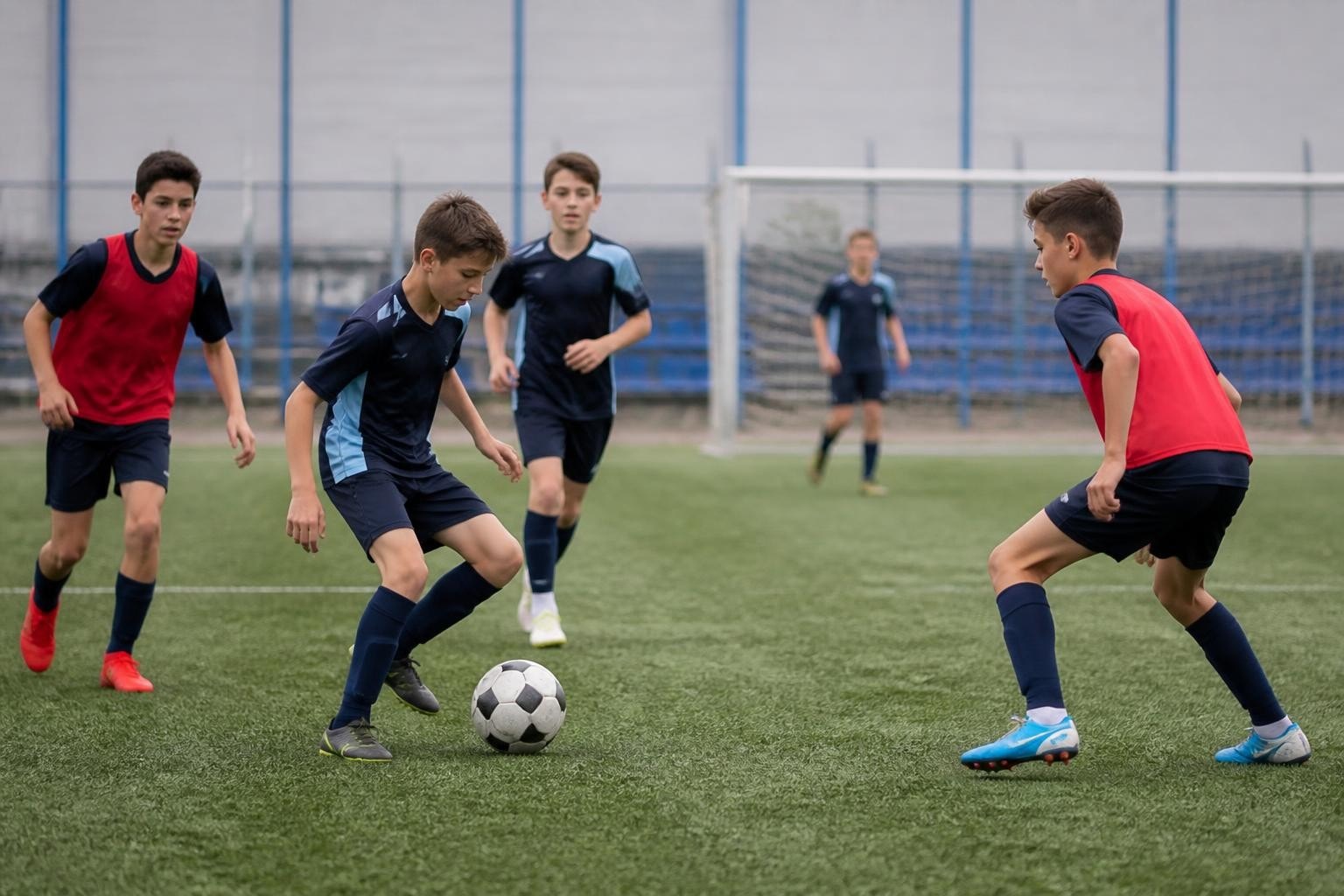
The landscape of youth soccer training in North America has evolved dramatically over the past two decades, with more academies embracing methodologies proven successful across the Atlantic. A European program approach to soccer development represents more than just drills and exercises. It embodies a comprehensive philosophy that nurtures young athletes through structured, progressive training that addresses every dimension of player growth. This holistic methodology has produced generations of world-class players and continues to set the standard for elite development worldwide.
Understanding the European Program Philosophy
The foundation of any effective European program rests on four interconnected pillars that work together to develop complete players. These pillars-Technical, Tactical, Physical, and Psychological-form a framework that guides every training session, drill selection, and coaching decision.
Technical development forms the cornerstone of the European program approach. Young players spend countless hours mastering ball control, passing accuracy, receiving skills, and dribbling techniques. Unlike traditional North American training that often emphasizes athleticism first, the European program prioritizes touch and technique from the earliest ages.
The Technical Foundation
European program methodologies introduce technical skills through age-appropriate progressions that build complexity over time:
- First touch and ball manipulation for players aged 6-8
- Passing combinations and receiving under pressure for ages 9-11
- Advanced dribbling moves and finishing techniques for ages 12-14
- Position-specific technical refinement for ages 15 and above
This structured progression ensures players develop proper habits early while maintaining engagement through challenging, appropriate content at each developmental stage.

Tactical intelligence receives equal emphasis within a European program framework. Players learn to read the game, understand positioning, recognize patterns, and make quick decisions under pressure. This cognitive development happens simultaneously with physical training, creating players who think as quickly as they move.
Technical Training Methods in European Programs
The European program approach to technical training differs significantly from conventional methods. Sessions emphasize repetition with purpose, where every touch serves a specific developmental goal. Players don't simply kick balls aimlessly. They engage in structured activities that simulate game situations while isolating specific skills for improvement.
| Training Component | Traditional Approach | European Program Approach |
|---|---|---|
| Session Structure | Warm-up, drills, scrimmage | Integrated technical circuits, small-sided games, position-specific work |
| Repetitions | Moderate volume, varied focus | High volume, targeted skill development |
| Feedback | General encouragement | Specific technical corrections with demonstrations |
| Game Integration | Separate from skill work | Skills practiced in game-realistic contexts |
One distinguishing feature of the European program methodology involves the use of constraints-based coaching. Coaches manipulate space, numbers, rules, and objectives to create learning environments that naturally develop desired technical qualities. A passing exercise might limit touches, reduce space, or add defensive pressure to force players to execute techniques at game speed.
Progressive Skill Development
The European program builds technical ability through carefully sequenced stages. Young players begin with unopposed skill work to establish proper mechanics. As competency grows, coaches introduce passive then active opposition, gradually increasing pressure until players can perform skills at full game intensity.
This progression respects how motor learning actually occurs in developing athletes. Skills become automated through thousands of quality repetitions in increasingly complex situations. The European program doesn't rush this process but trusts in systematic development over time.
Tactical Development Within European Programs
While technical skills provide the tools, tactical understanding determines how effectively players use those tools in competition. The European program dedicates substantial training time to developing soccer intelligence through deliberate practice of game situations.
Pattern recognition forms a critical component of tactical training. Players repeatedly experience common game scenarios-numerical advantages, defensive transitions, attacking build-up patterns-until they automatically recognize and respond appropriately. This experiential learning proves far more effective than static classroom instruction.
Small-Sided Games as Tactical Laboratories
European program methodologies rely heavily on small-sided games to develop tactical awareness. These modified games create more touches, more decisions, and more learning opportunities than full-sided matches. Players experience defensive transitions, attacking combinations, and spatial awareness concepts dozens of times per session.
Benefits of small-sided games in a European program include:
- Increased decision-making frequency
- More opportunities for individual impact
- Enhanced spatial awareness development
- Greater engagement and motivation
- Immediate feedback on tactical choices
The European program structures these games with specific learning objectives. A session focused on defensive compactness might use narrow field dimensions and specific rules rewarding teams that maintain shape. Another targeting attacking width might use wide fields and goals at each corner.
Physical Conditioning in European Programs
Physical development within a European program differs markedly from traditional strength and conditioning approaches. Rather than generic fitness work, the European program integrates physical conditioning directly into technical and tactical training whenever possible.
Speed, agility, and quickness development happens through soccer-specific movements with the ball. Players accelerate while dribbling, change direction while controlling possession, and develop explosive power through shooting and striking drills. This integration ensures physical adaptations transfer directly to game performance.
Age-Appropriate Physical Development
The European program carefully considers developmental stages when programming physical training:
- Pre-pubescent players (under 12): Focus on coordination, balance, running mechanics, and fundamental movement patterns through playful, game-based activities
- Early adolescents (12-14): Introduce structured speed work, beginning strength training with bodyweight exercises, continued emphasis on coordination
- Mid-adolescents (15-16): Progressive resistance training, position-specific conditioning, lactate threshold development
- Late adolescents (17+): Advanced strength programs, sport-specific power development, individualized conditioning plans
This progressive approach prevents overtraining young athletes while ensuring they develop physical qualities at the optimal developmental windows. The European program recognizes that a 10-year-old needs different physical stimuli than a 16-year-old, despite both playing the same sport.
Psychological Development and Mental Skills
Perhaps the most overlooked aspect of player development in traditional programs receives significant attention in the European program model. Mental skills-confidence, resilience, focus, competitive mindset-often determine which technically gifted players ultimately succeed at high levels.
Pressure training represents one method European programs use to develop psychological strength. Coaches deliberately create challenging situations that require players to perform under stress. These might include penalty scenarios with teammates watching, competitions with consequences, or time-pressured decision-making drills.
The European program also emphasizes character development alongside performance training. Values like discipline, respect, work ethic, and team commitment receive explicit teaching and reinforcement. Players learn that how they train matters as much as what they achieve.
Building Resilient Athletes
| Mental Skill | Development Method in European Program |
|---|---|
| Confidence | Progressive mastery experiences, positive reinforcement of effort |
| Focus | Concentration drills, meditation practices, pre-performance routines |
| Resilience | Controlled failure experiences, growth mindset coaching, challenge management |
| Competitive Spirit | Regular testing environments, performance tracking, healthy competition |
| Self-Awareness | Video analysis, individual feedback sessions, reflective practice |
The European program recognizes that young athletes need explicit instruction in mental skills just as they need technical coaching. These psychological qualities don't develop accidentally but through intentional, systematic training.
The Role of Licensed Coaches in European Programs
A distinguishing characteristic of authentic European program methodologies involves the coaching expertise required to deliver this comprehensive development approach. The European program demands coaches who understand not just soccer but also pedagogy, motor learning, adolescent development, and periodization principles.
Coaching education forms a critical component of the European program infrastructure. Coaches pursue progressive licensing pathways that build theoretical knowledge and practical competencies. This ensures the individuals guiding player development possess the expertise necessary for this complex role. At Strive Soccer Academy, all coaches maintain full licensing through Canada Soccer, ranging from National A Licenses to Soccer for Life certifications for developing coaches.
The European program coaching approach emphasizes guided discovery over direct instruction. Coaches design learning environments that allow players to solve problems, make mistakes, and develop understanding through experience. This requires sophisticated session planning and the ability to facilitate learning rather than simply demonstrate techniques.
Session Structure in a European Program
The architecture of training sessions reveals much about a program's underlying philosophy. A European program typically structures sessions around seamless progressions from simple to complex, unopposed to opposed, and technical isolation to game integration.
Typical European program session flow:
- Dynamic warm-up incorporating ball work (10-15 minutes)
- Technical circuits focusing on session theme (15-20 minutes)
- Positional or phase-of-play practice (20-25 minutes)
- Small-sided game applying session concepts (20-25 minutes)
- Cool-down and reflection (5-10 minutes)
Each segment connects logically to the next, building toward game application. The European program avoids disjointed activities that don't support a coherent learning objective. Every exercise serves a clear purpose within the session's developmental theme.
Planning and Periodization
The European program takes a long-term view of player development. Annual training plans map technical, tactical, physical, and psychological objectives across the season. Monthly and weekly plans break these into manageable learning chunks. Individual sessions represent single steps in extended development journeys.
This periodization ensures balanced development across all four pillars while preventing overemphasis on any single area. The European program understands that sustainable improvement requires systematic progression and adequate recovery, not constant intensity.
Implementing European Program Principles
Parents and players considering a European program approach should understand what distinguishes authentic European methodologies from programs simply using European terminology for marketing purposes. Several key indicators reveal whether a program genuinely embraces these principles.
Training-to-game ratios in a European program heavily favor practice over competition for developing players. Young athletes might train 3-4 times weekly while playing only one competitive match. This ratio allows sufficient repetitions for skill acquisition while preventing burnout from excessive competition.
Look for these characteristics when evaluating European program authenticity:
- Emphasis on individual skill development, not just team tactics
- Age-appropriate training content aligned with developmental stages
- Licensed coaches with formal education in player development
- Structured curriculum with clear learning progressions
- Regular individual feedback and performance tracking
- Player-to-coach ratios allowing meaningful individual attention
- Facilities and equipment supporting quality training environments
The European program philosophy requires investment in coaching quality, appropriate facilities, and sufficient training time. Programs cutting corners in these areas cannot deliver authentic European-style development regardless of their marketing claims.
Long-Term Player Development Through European Programs
The ultimate measure of any development program involves the players it produces over time. The European program approach has consistently generated technically superior, tactically intelligent players who compete successfully at the highest levels.
Player pathways within a European program provide clear progression opportunities. Young players begin in foundational programs emphasizing technical development and soccer enjoyment. As they mature and demonstrate commitment, they access more intensive training environments that prepare them for competitive opportunities. For those seeking the highest level of challenge, programs like Soccer High Performance Training provide professional-style environments where players sharpen technical skills, improve decision-making, and build confidence through 90-minute high-intensity sessions.
This tiered structure ensures players receive appropriate challenges matching their current development level and future aspirations. The European program recognizes that not every player aims for professional soccer, but all deserve quality coaching that maximizes their potential.
Transfer of Training to Competition
The European program measures success by how training transfers to competitive performance. Players should demonstrate improved technical execution, better decision-making, enhanced physical capacity, and stronger mental skills in games. This application represents the true test of development programming.
| Development Area | Training Focus | Competition Evidence |
|---|---|---|
| Technical | Repetitions under progressive pressure | Clean first touch, accurate passing under pressure |
| Tactical | Pattern recognition, position understanding | Appropriate positioning, quick decisions |
| Physical | Soccer-specific conditioning | Sustained intensity, explosive actions |
| Psychological | Pressure training, mental skills work | Composure, resilience, confidence |
The European program creates players who don't just look good in practice but perform effectively when results matter. This requires training environments that replicate competitive demands while providing the support necessary for learning and growth.
European Program Impact on Player Enjoyment
A common misconception suggests that European program methodologies sacrifice fun for rigor. In reality, properly implemented European programs enhance player enjoyment by providing meaningful challenges, visible improvement, and engaging activities that maintain interest.
Intrinsic motivation flourishes in European program environments where players see themselves improving, experience success in challenging situations, and receive recognition for their progress. This sustainable motivation proves far more powerful than extrinsic rewards or pressure from parents and coaches.
The European program structures activities that maintain high engagement levels. Small-sided games provide more touches and involvement than standing in lines waiting for turns. Technical circuits keep players active and challenged rather than passive and bored. Position-specific training makes content relevant to players' actual game experiences.
Young athletes gravitate toward environments where they feel competent, connected to teammates and coaches, and autonomous in their development. The European program, when implemented well, creates exactly these conditions while simultaneously driving performance improvement.
Selecting the Right European Program
For parents seeking authentic European program experiences for their children, several considerations should guide selection decisions. Not all programs claiming European methodologies deliver on these promises, making due diligence essential.
Coach qualifications provide the first screening criterion. Proper implementation of the European program requires expertise that comes only through formal education and licensing. Ask about coach certifications, continuing education, and their specific training in European methodologies. Programs at Strive Soccer Academy ensure all coaches maintain current Canada Soccer licensing, demonstrating commitment to professional development standards.
Additional evaluation criteria include:
- Clear curriculum documenting learning progressions across age groups
- Appropriate training-to-competition ratios for developmental ages
- Facilities enabling quality technical training
- Player-to-coach ratios supporting individual attention
- Transparent communication about program philosophy and objectives
- Evidence of player development over time
- Alignment between stated values and actual practices
Visit training sessions to observe how coaches interact with players, the activities used, and whether the environment reflects European program principles. The best programs welcome prospective families to experience their methodology firsthand before committing.
The European program approach to soccer development offers young athletes a proven pathway to maximizing their potential through comprehensive training that addresses technical skills, tactical understanding, physical conditioning, and psychological growth. This holistic methodology creates well-rounded players prepared for competitive challenges while developing life skills extending far beyond the soccer field. Strive Soccer Academy brings this European-style training philosophy to Surrey, BC, with fully licensed coaches dedicated to developing skills, building character, and creating real opportunities for young athletes through the four key pillars of player development.


